

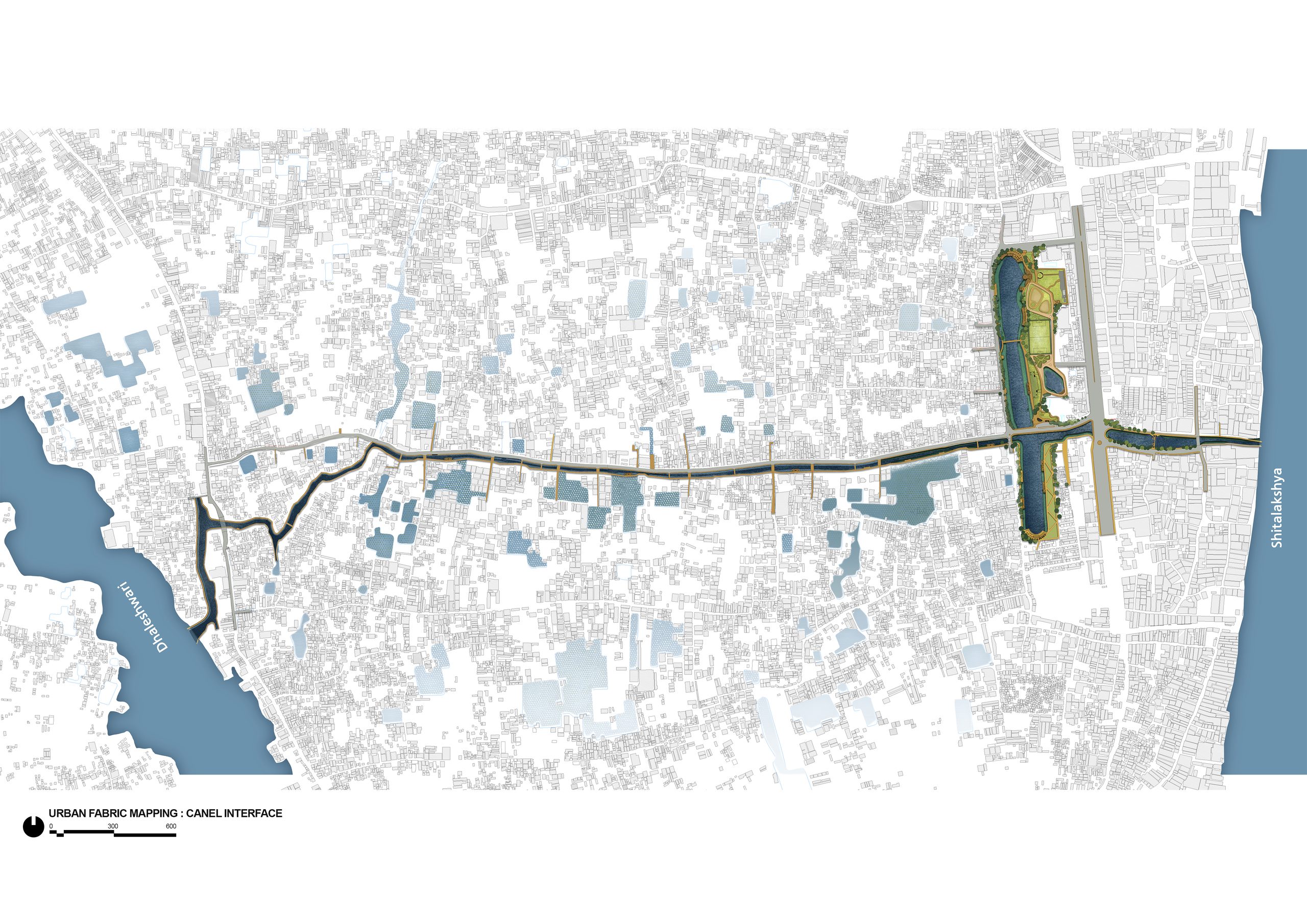
For generations, water shaped the growth and identity of Narayanganj. The city developed as a major river port, with its canals carrying people, rice and jute between the Dhaleshwari and Shitalakshya rivers. Baburail Canal was part of this active network. It supported trade and movement, while remaining closely connected to the everyday life of the surrounding neighbourhoods.
But as time passed, dumping and encroachment gradually erased that role. The channel narrowed, the water stopped flowing, and sections of the canal edge became unusable. Although the waterway remained physically present, it slowly faded from public memory.
Narayanganj City Park and Baburail Canal Restoration began with the intention of bringing this neglected waterway back into the life of the city. Designed by architects Md Ishtiaque Zahir and Iqbal Habib from VITTI Sthapati Brindo Ltd, the project approaches the canal as ecological infrastructure, public space and a place of shared memory.

Beginning with participation
The first challenge was not deciding what to build. It was understanding how the canal could be reclaimed while responding to the people already living and working along its edges.
The design process began with conversations involving residents, user groups and public agencies. Social and environmental assessments helped identify the physical condition of the canal and the concerns of the surrounding communities. According to the project team, most encroachments were relocated voluntarily, allowing the canal edge to be recovered with no forced eviction.
This extended process of listening and negotiation influenced the design that followed. Public participation was not treated as a separate consultation exercise. It became part of how the project was planned, implemented and gradually accepted by the community.
Designing the canal as public ground
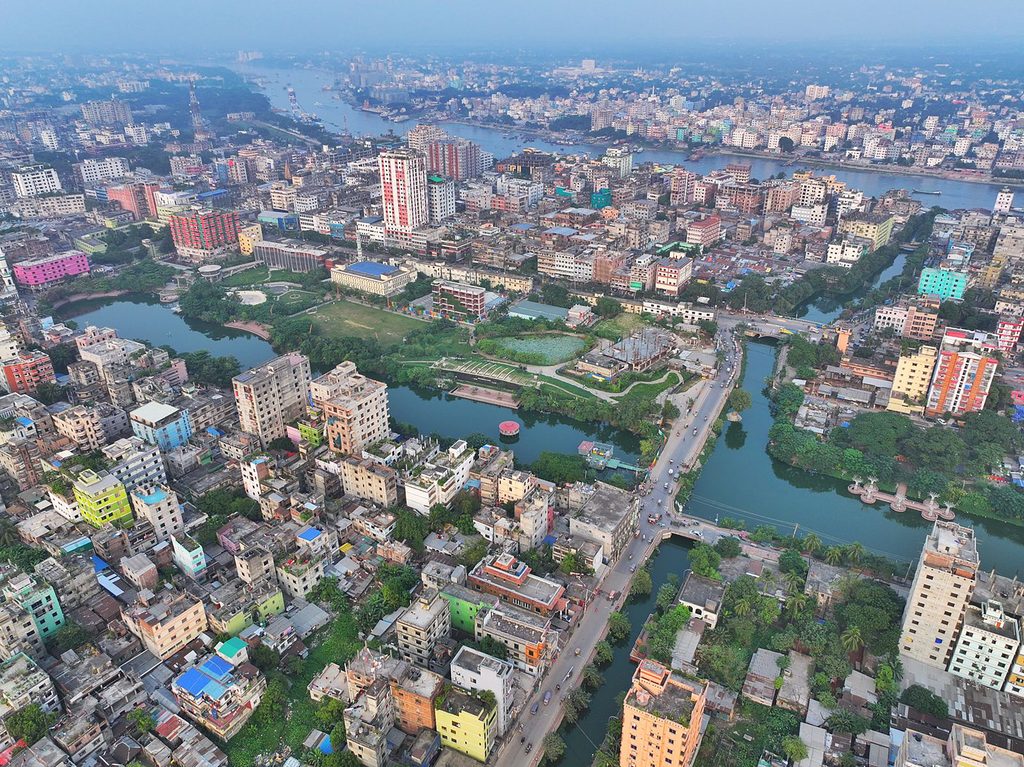
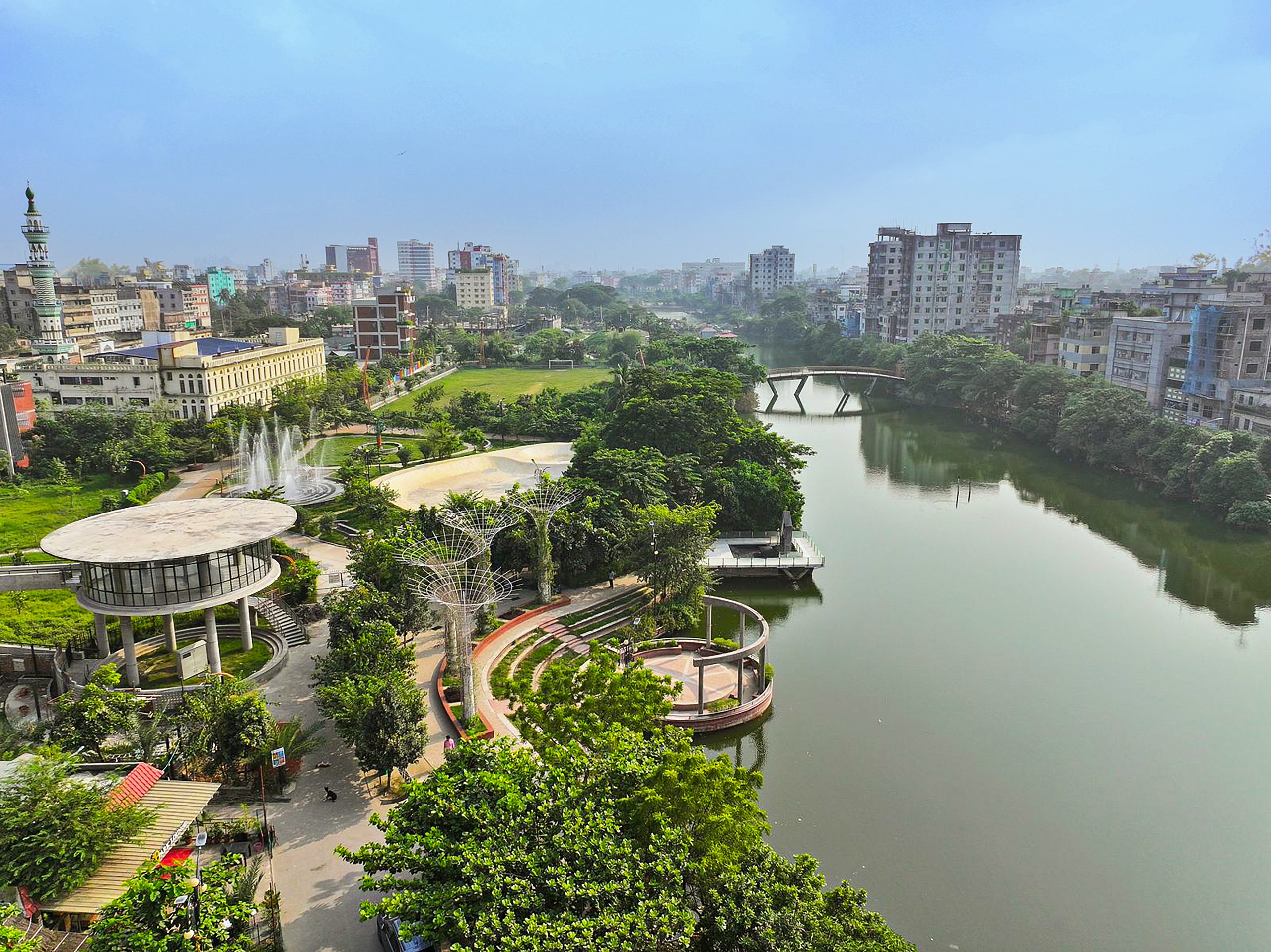
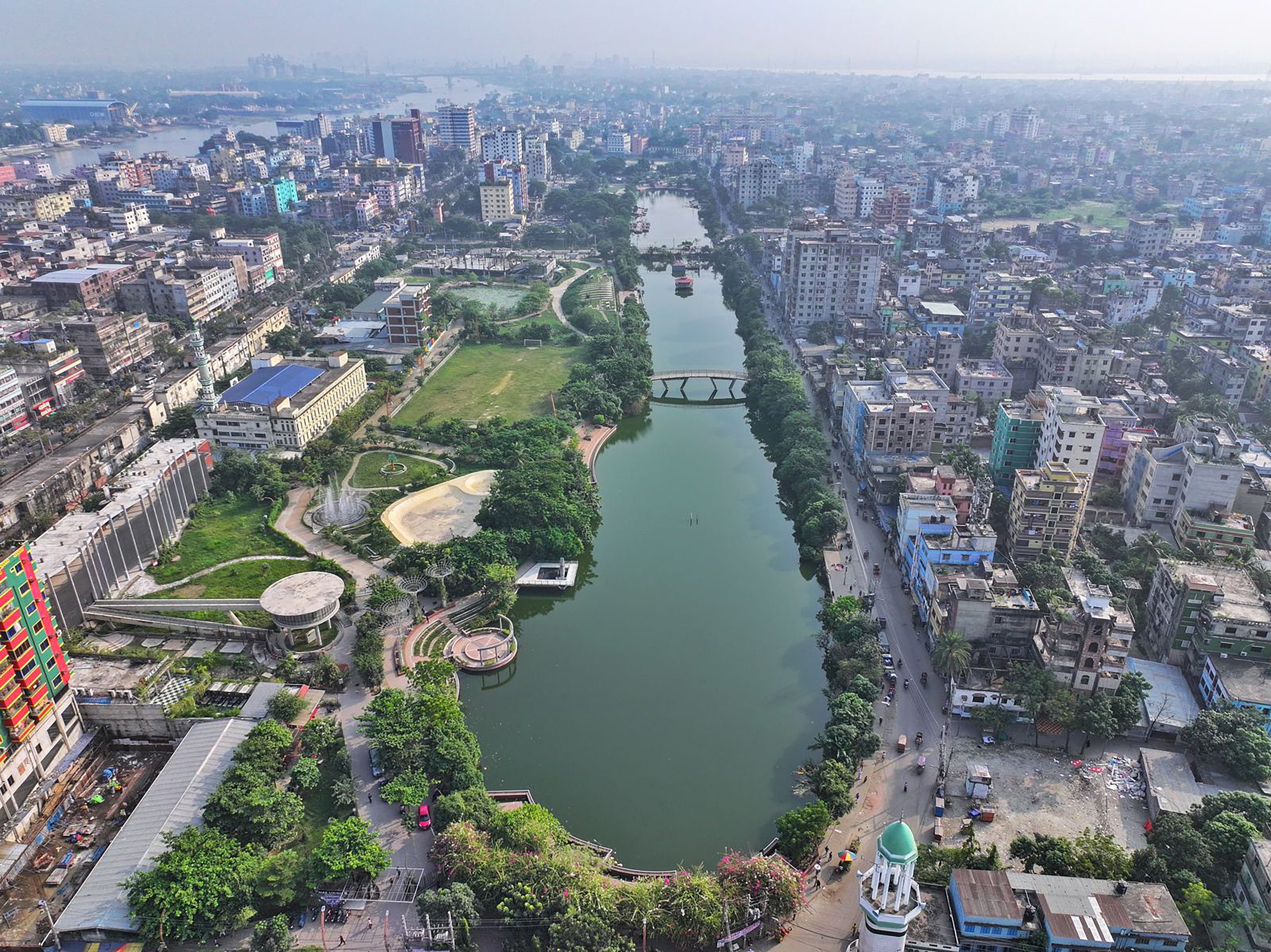
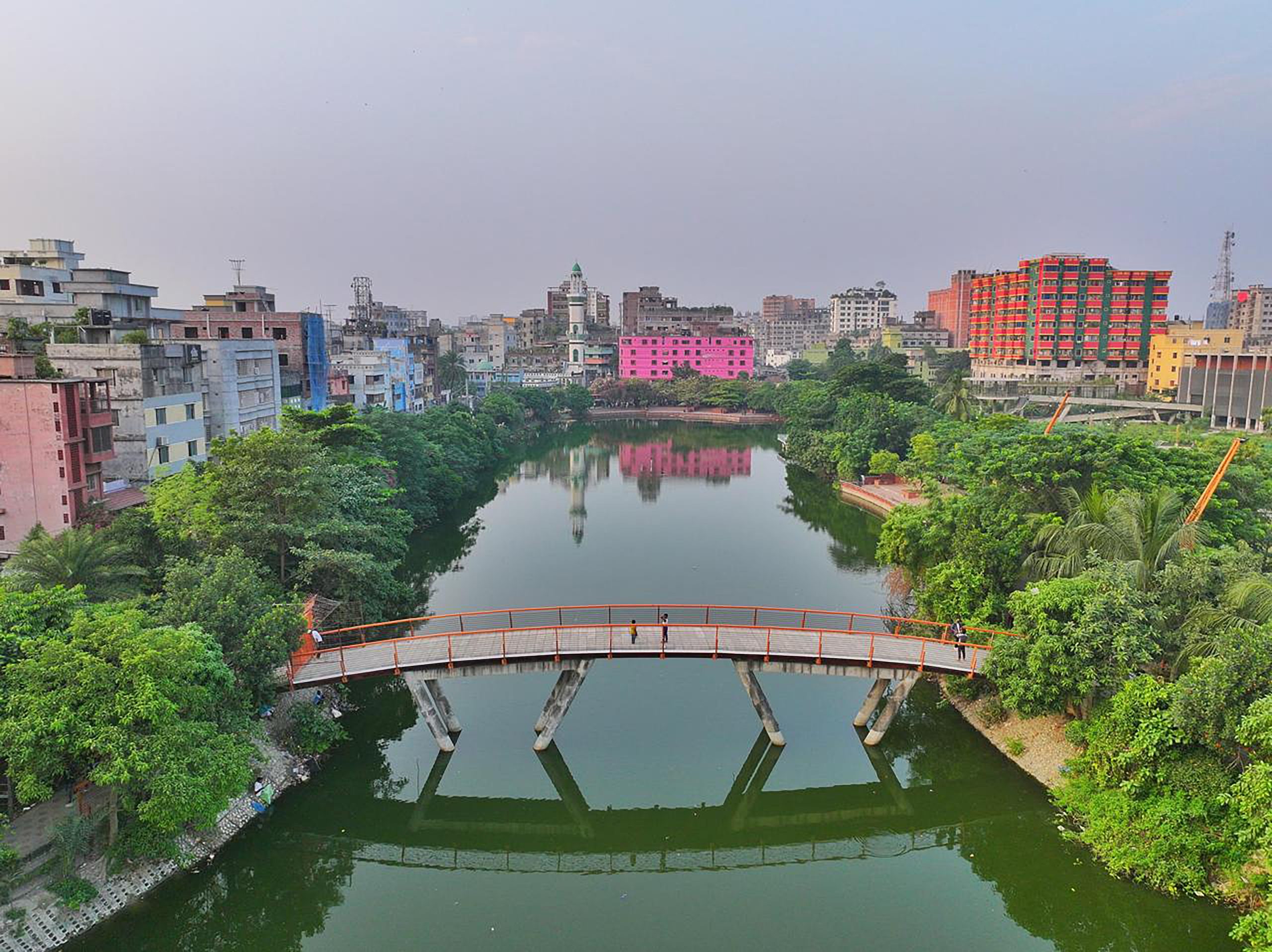
The restored 405-metre stretch was opened as a continuous public landscape. Instead of separating the water behind barriers, the design creates different ways for people to approach and experience it.
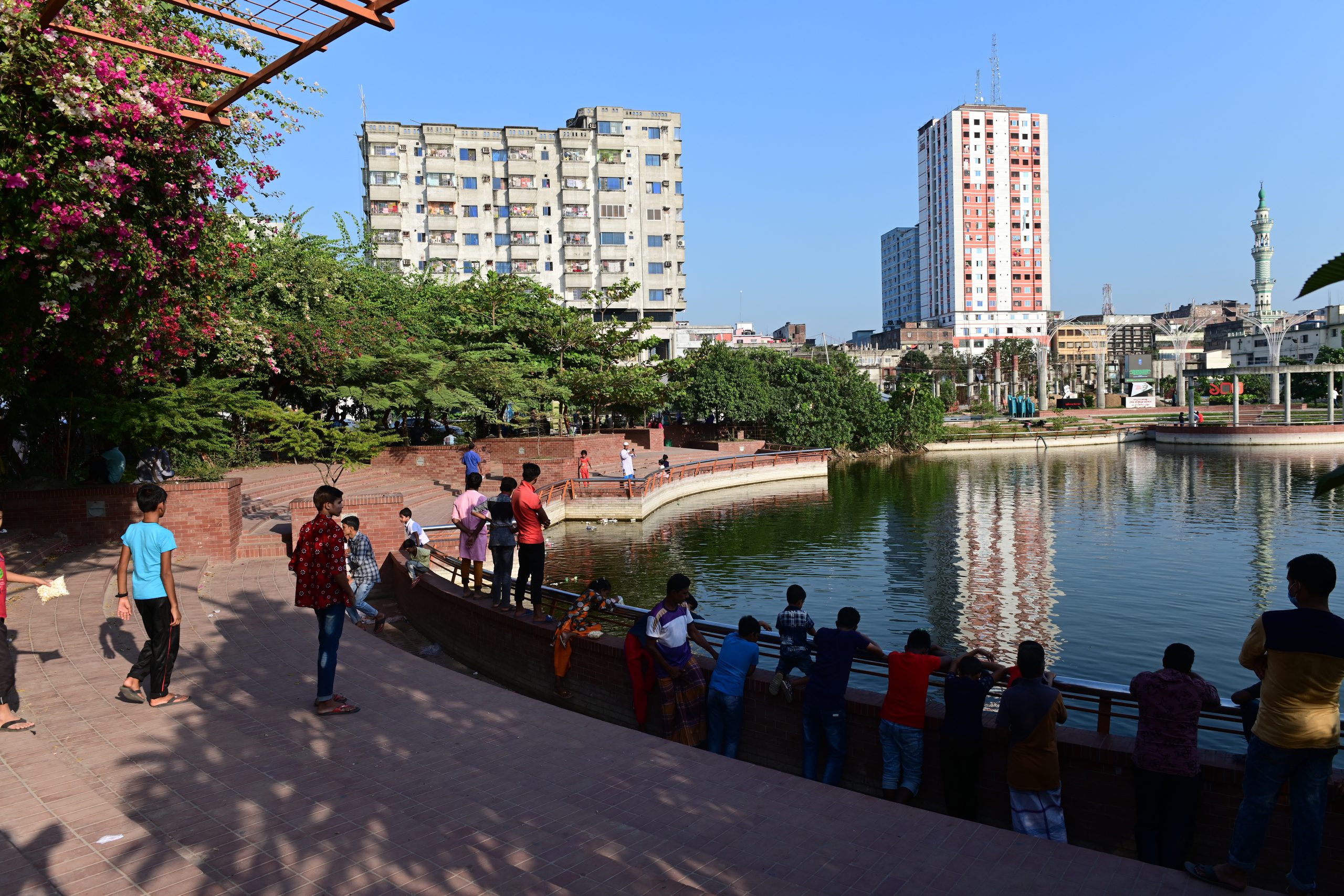
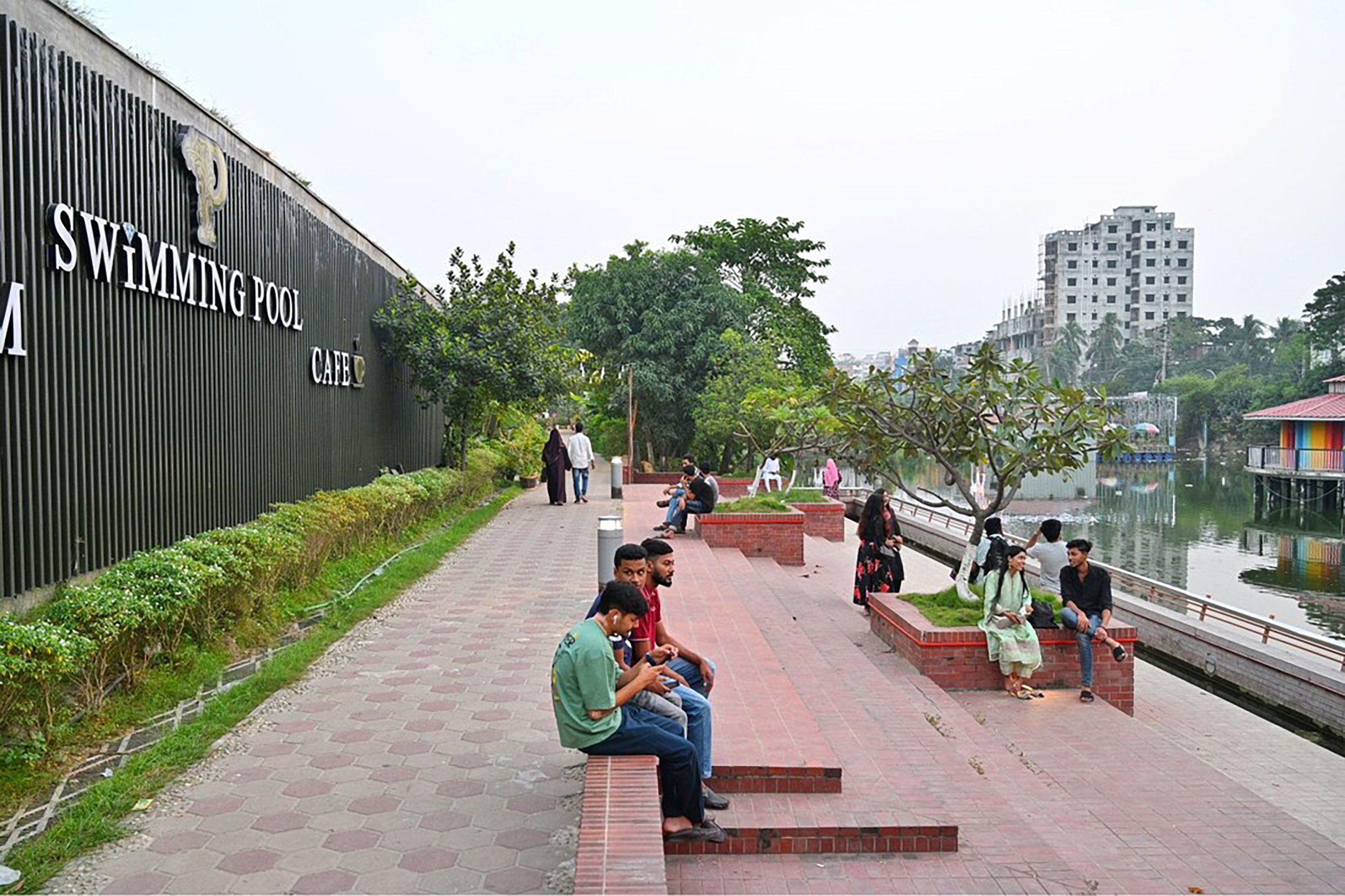
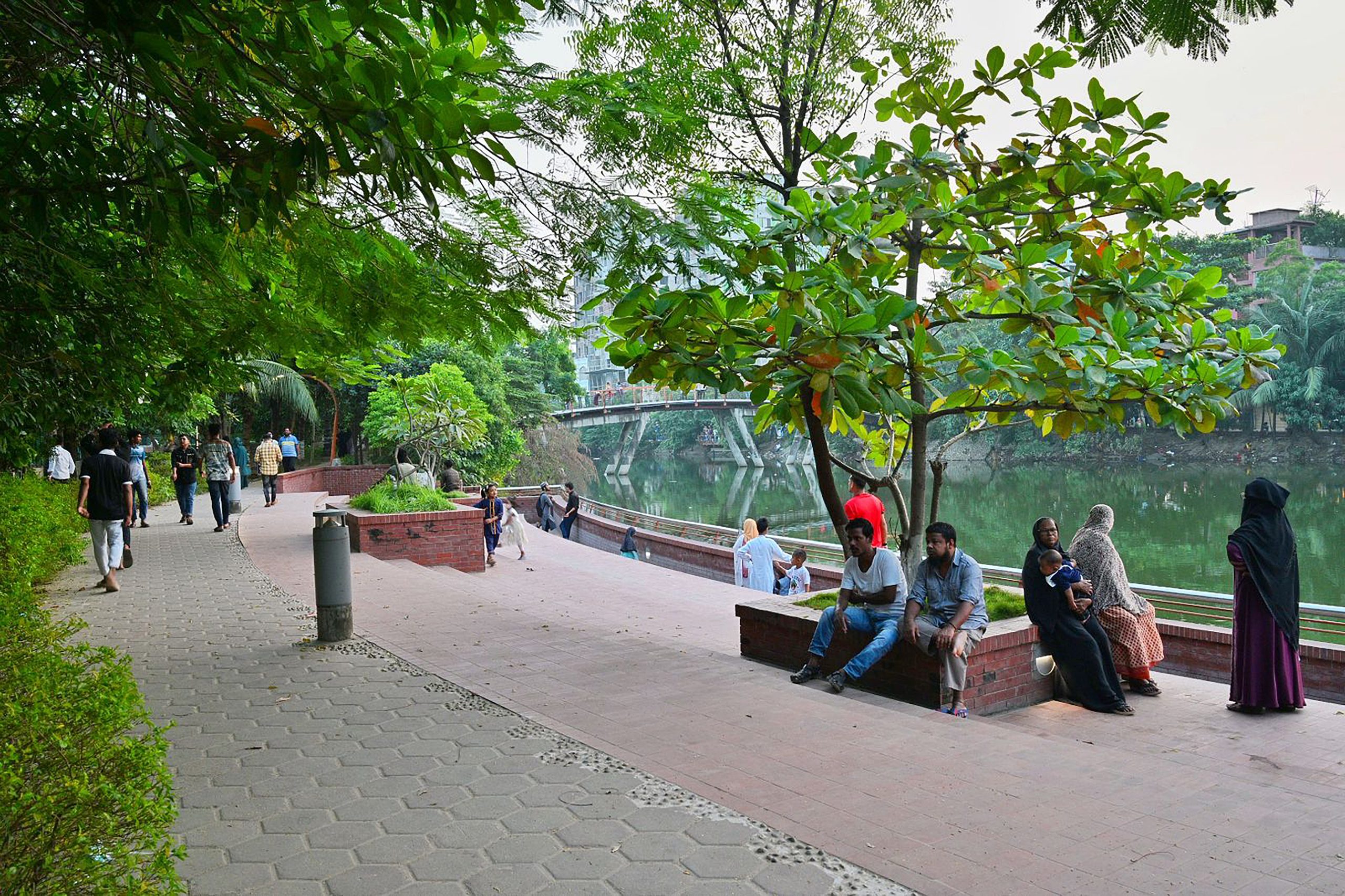
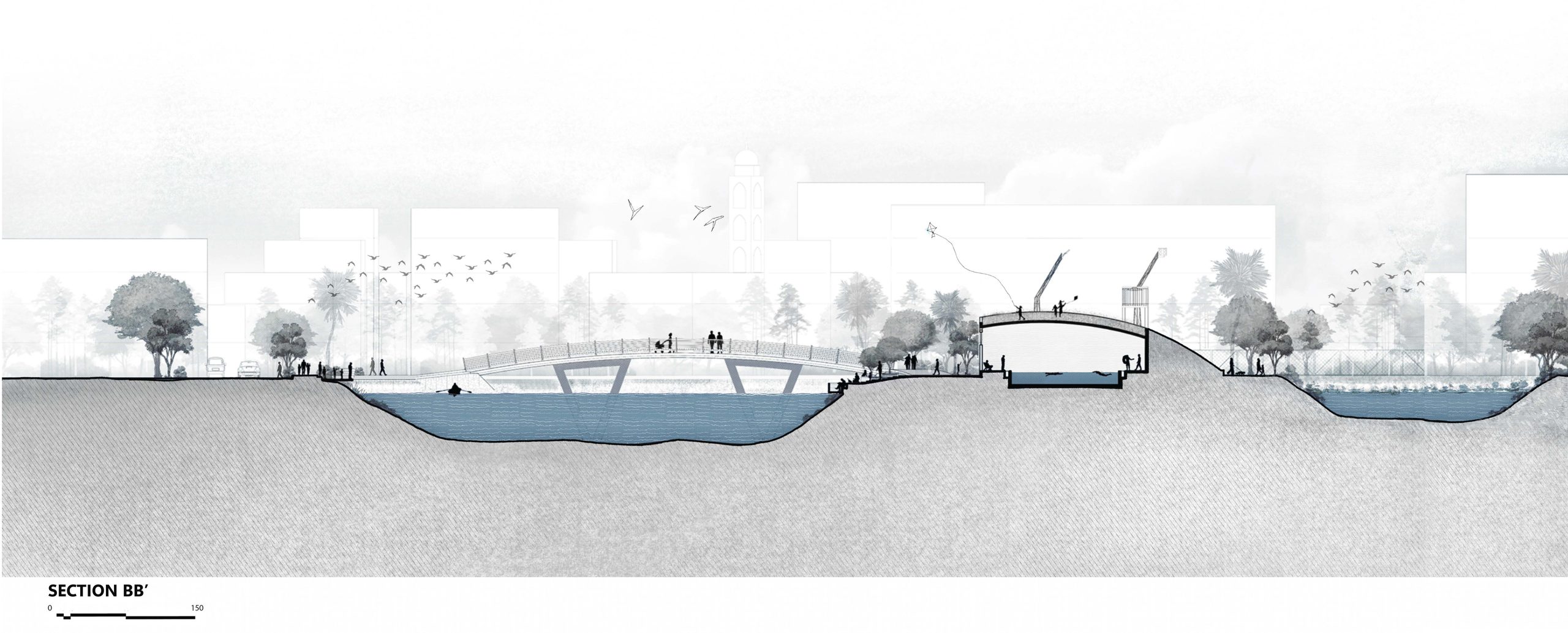
Ghats reconnect the city with a familiar riverine element, while floating decks extend public activity towards the canal. Shaded and trellised walkways provide comfortable pedestrian routes along the water. Permeable paths allow rainwater to return to the ground and reduce the amount of hard surface across the site.
The public realm accommodates a wide range of ages and activities. Children’s play areas, sports grounds, skating corners and exercise zones are placed alongside quieter seating spaces. Areas intended to be comfortable and accessible for women and senior citizens help make the landscape usable throughout the day.
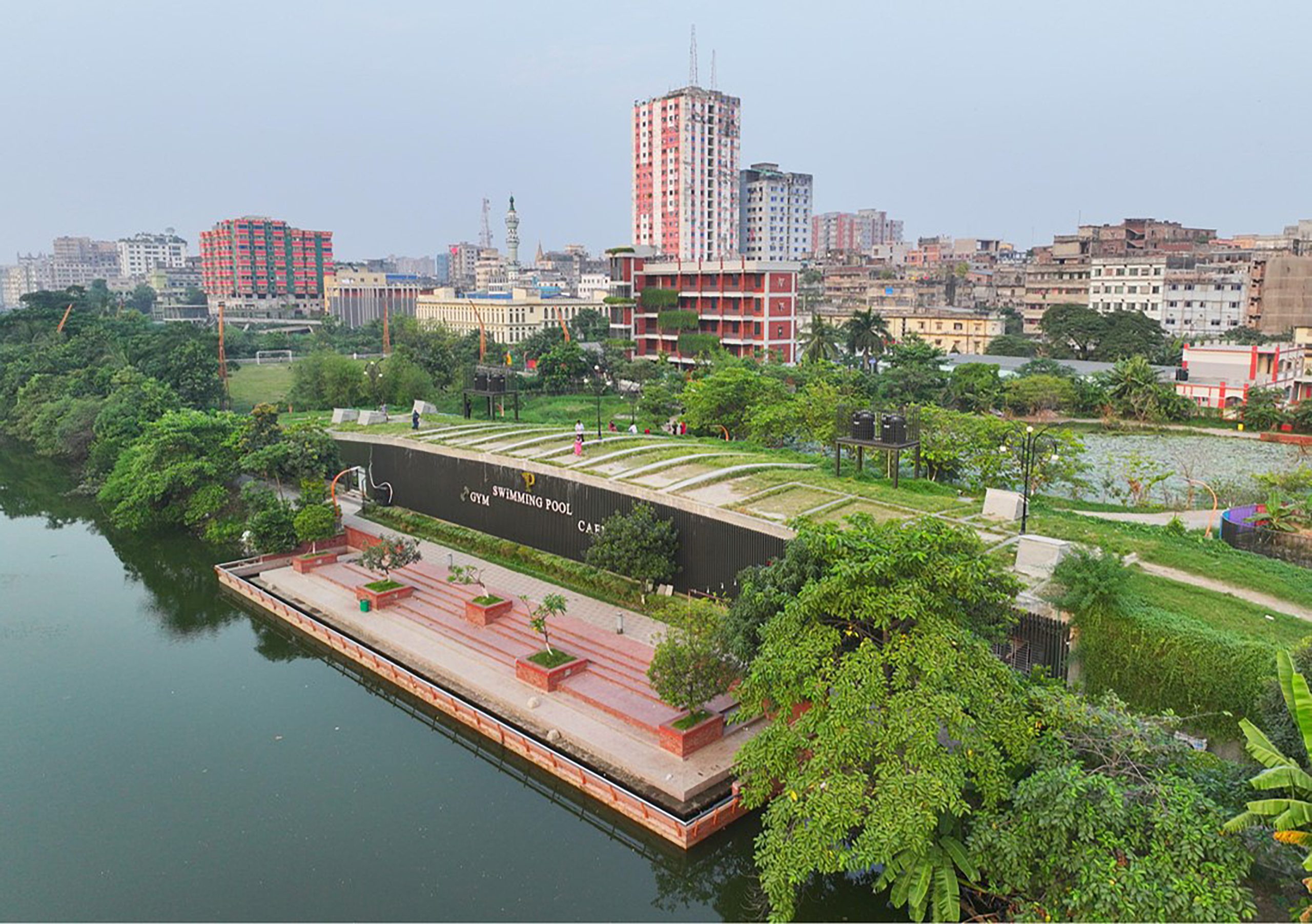
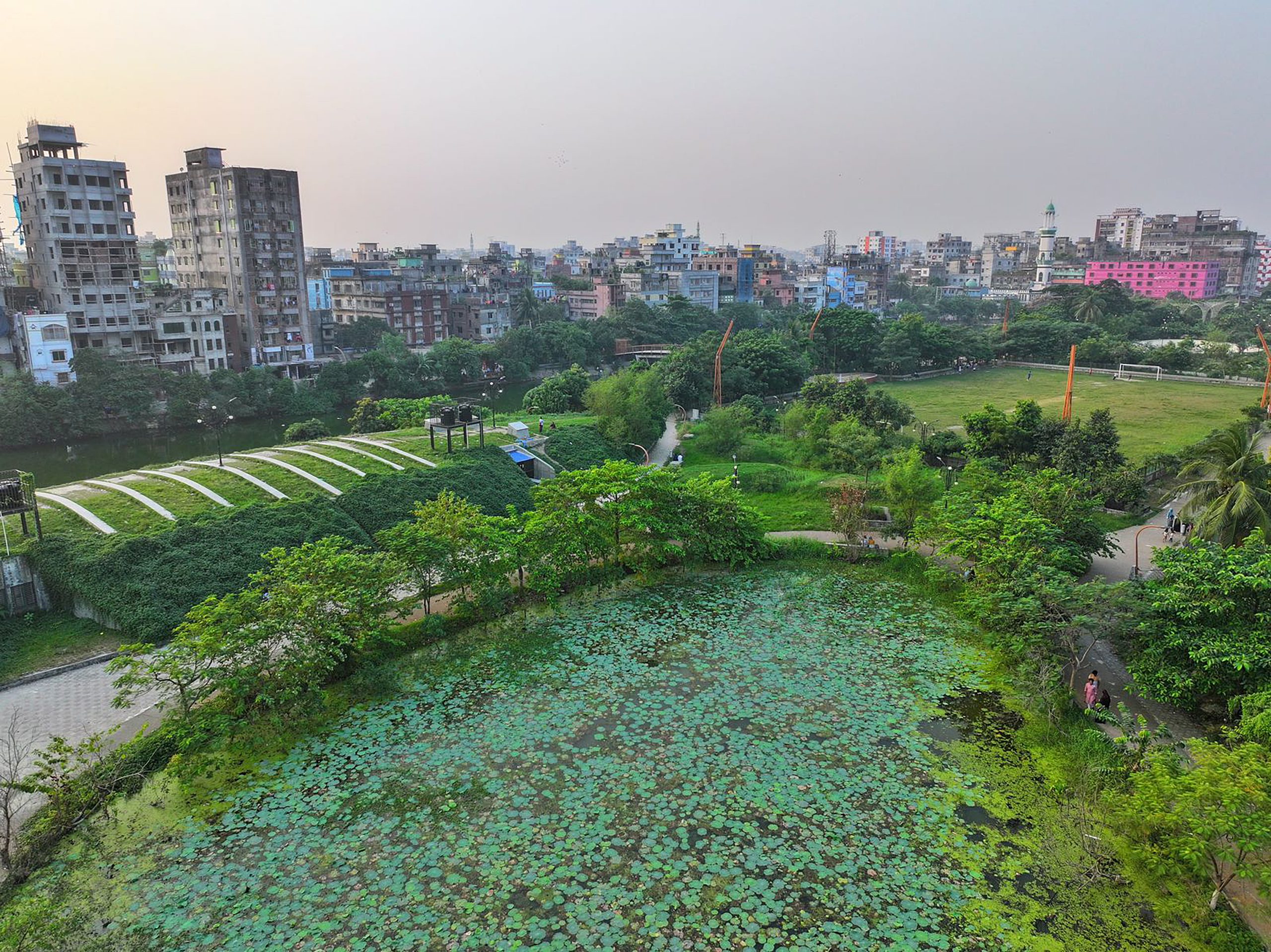
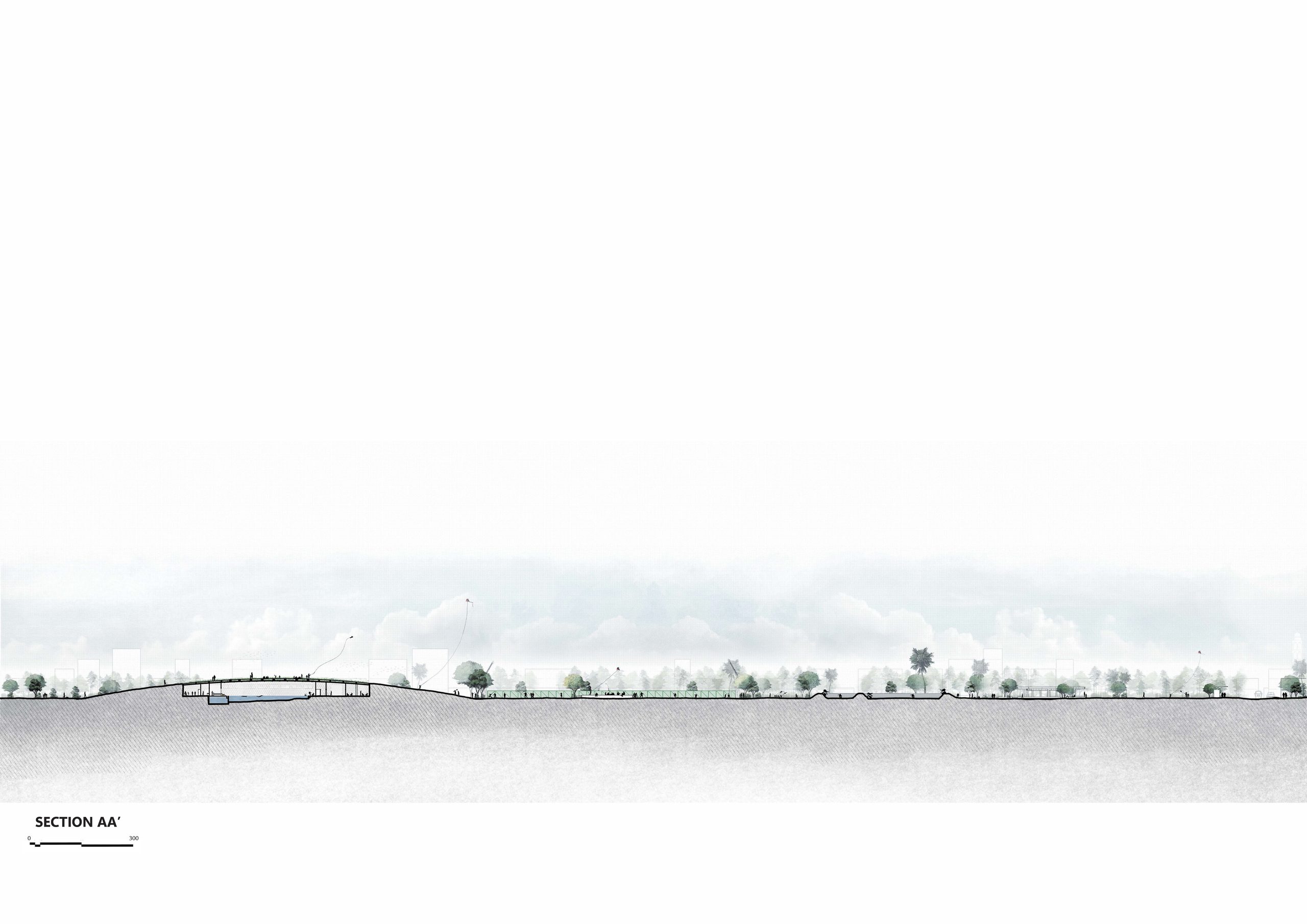
Former dumping grounds were covered and reshaped into low earth mounds. A boat club, indoor pool and gym were placed within these forms. Their presence allows the site to retain a trace of its earlier condition while transforming damaged ground into usable community infrastructure.
The architectural interventions remain deliberately restrained. Locally available soil, brick, stone, hollow blocks and geotextiles were used together with modular construction and planting-based systems. The project relies on the landscape to define the experience of the place, with built elements supporting movement, access and activity.
Repairing an urban ecology
Ecological recovery was developed alongside public use. Native species, including Hijol and Jarul, were introduced to provide shade and strengthen the identity of the canal landscape. Aquatic vegetation helps stabilise the banks and rebuild habitats along the water.
Local residents and schoolchildren participated in tree-planting activities. Over time, birds and insects have returned, shade has increased, and the microclimate around the canal has become cooler. Simple water-control systems help maintain movement and clarity through the restored section.
The landscape also reconnects the canal with the cultural life of Narayanganj. The nearby Fine Arts Institute extends creative activities into the park, while open spaces accommodate gatherings during Pahela Baishakh, Pahela Falgun and other seasonal events. These planned and informal uses allow the canal edge to change throughout the day and across the year.
Measuring a transformation
The project now receives more than 1,000 visitors on an average day, according to figures provided by VITTI. Project data also reports a 60 per cent reduction in surrounding waterlogging and a 15 to 20 per cent increase in nearby land values.
Its impact, however, is visible beyond these numbers. Families now gather where waste once accumulated. Children play beside a waterway that had become disconnected from public life. The canal again carries water, but its banks also support walking, exercise, cultural activity and social interaction.
For Bangladesh, Baburail connects several concerns that are often addressed separately: drainage, ecological restoration, public space and the recovery of occupied waterways. Its participatory process also demonstrates how negotiation and voluntary relocation can become part of urban regeneration.
Baburail cannot be repeated in every city in exactly the same way. Its importance lies in the questions it raises. Can a canal serve as both infrastructure and public space? Can ecological recovery improve everyday urban life? Can negotiation with communities become part of design?
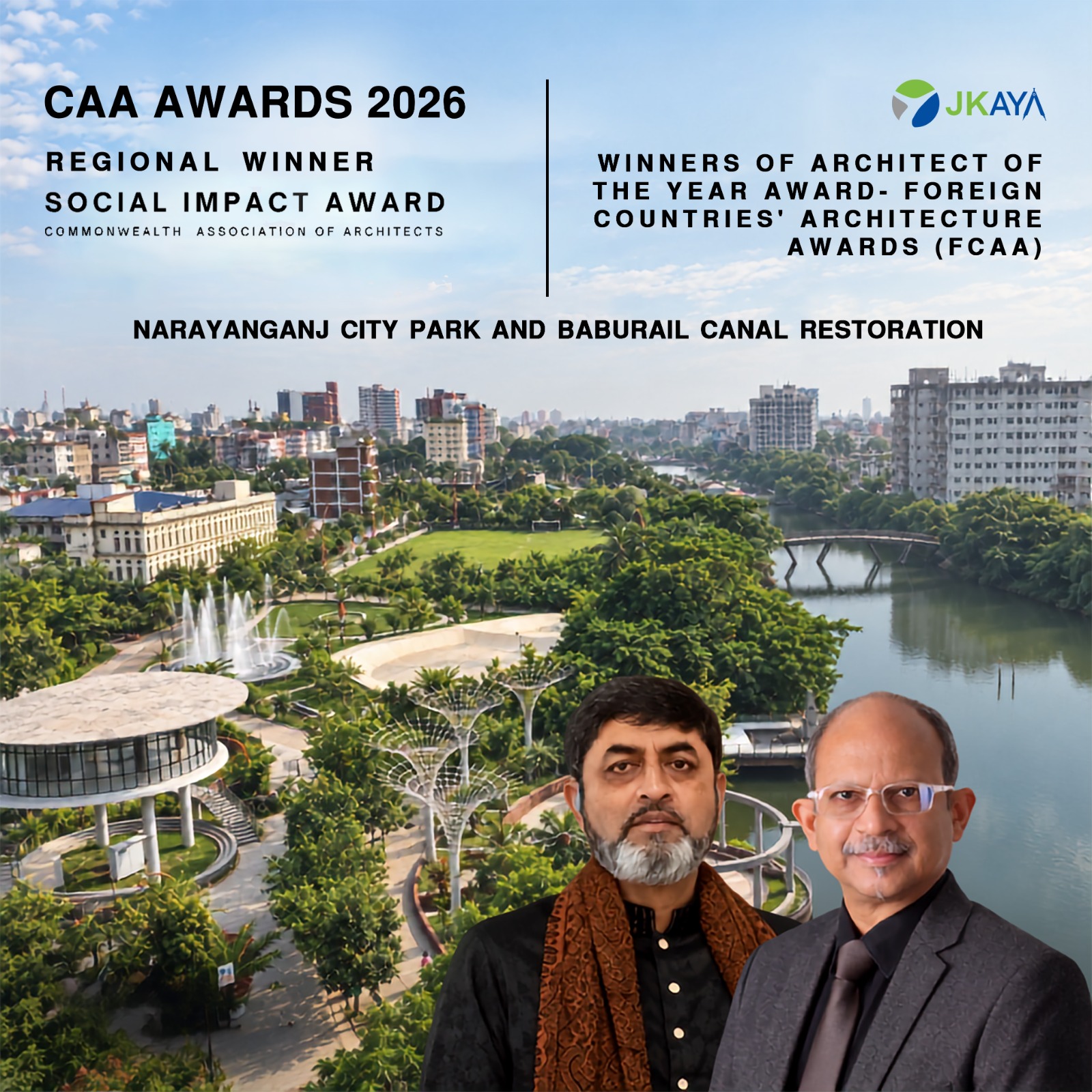
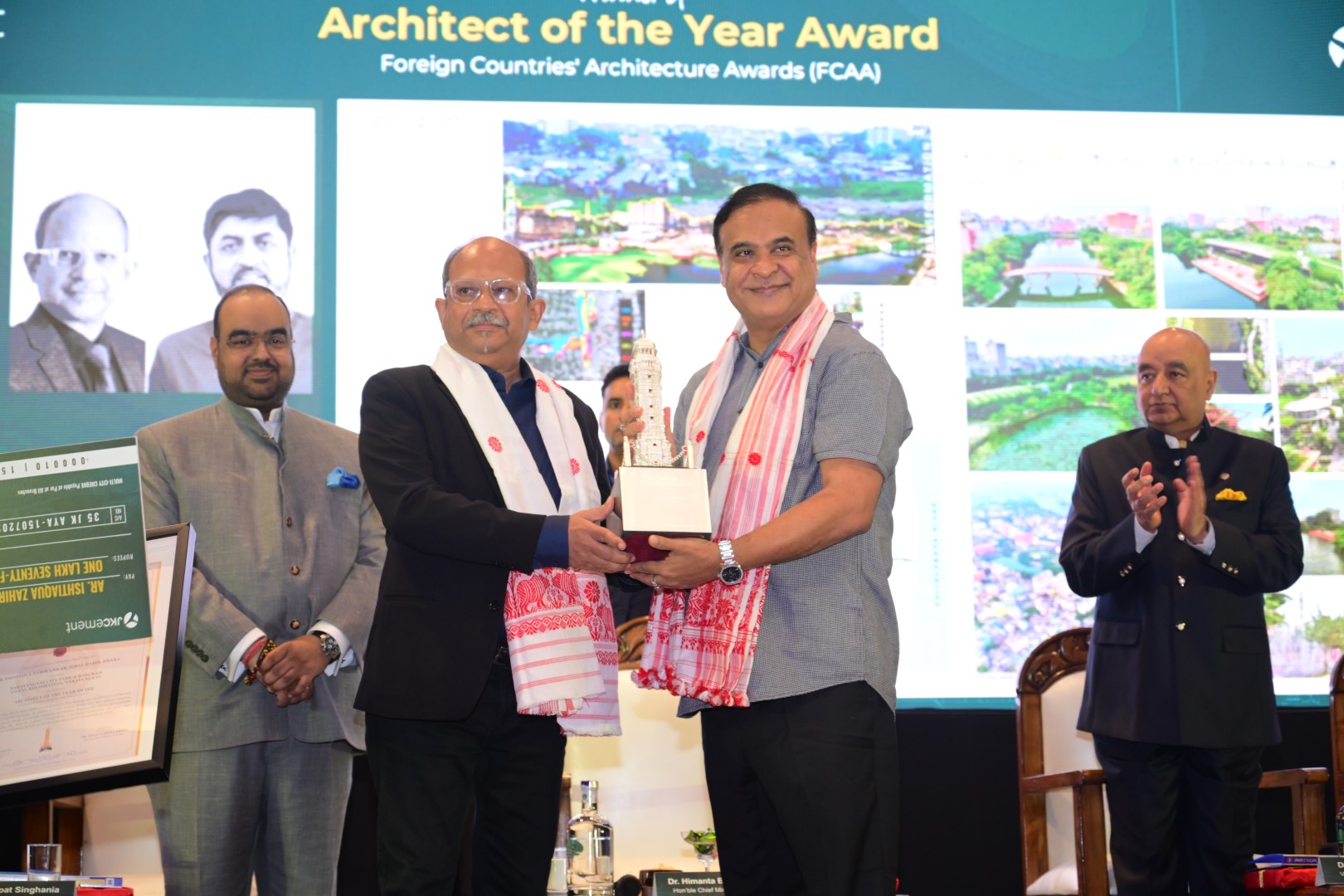
These questions give the project’s international recognition a wider meaning. In 2026, Narayanganj City Park and Baburail Canal Restoration won the Foreign Countries’ Architect of the Year Award at the 35th JK Architect of the Year Awards. It was also named Regional Winner of the CAA Social Impact Award, organised by the Commonwealth Association of Architects.
The awards recognise more than the transformation of a neglected canal edge. They acknowledge a process shaped by ecological repair, public participation and no forced eviction. Baburail shows how an urban waterway, almost lost to the city, can return as common ground.
Project Details:
Project Title: Narayanganj City Park and Baburail Canal Restoration
Consultant Firm: VITTI Sthapati Brindo Ltd
Location: Narayanganj
Site Area: 3.2 km
Lead Architects: Ishtiaque Zahir ( Team Leader), Iqbal Habib, Mehedi Hasan
Building Area: N/A
Engineering Consultants: Md. Tofazzel Hossain, Md . Aynal Gazi
Project Owner: Narayanganj City Corporation
Contractor/Builder: N/A
Year: 2023
Project Video: https://youtu.be/iAAGXUoyUNo
A glimpse of the project:
Copyright © 2026 ArchBiz Magazine. All Rights Reserved.