


Green Practices in the Steel Industry
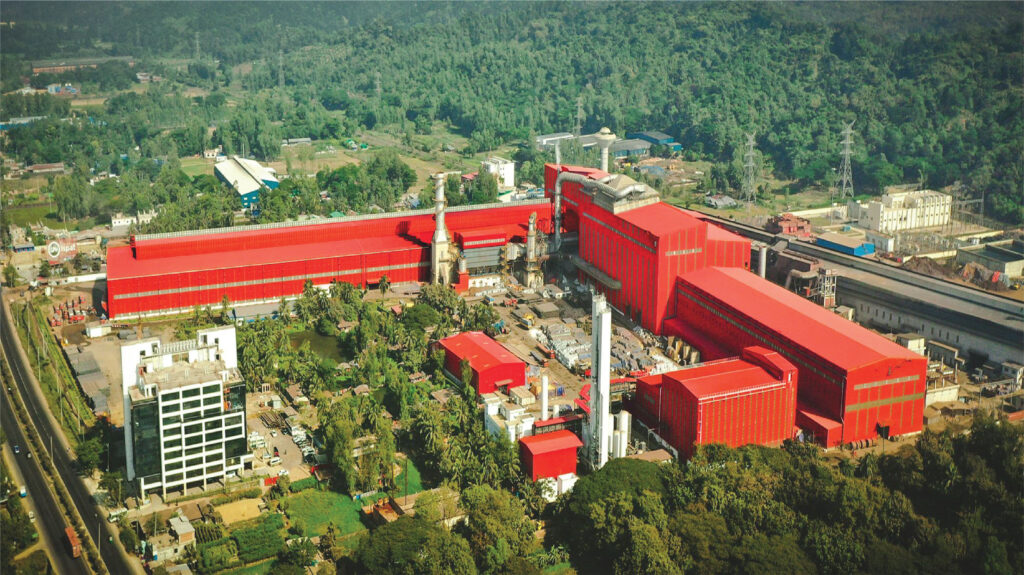
As Bangladesh advances toward its Nationally Determined Contributions (NDC) 2030 goals, industries must adopt practices that balance growth with environmental responsibility. The steel sector, long considered energy- and resource-intensive, is now embracing sustainability through innovative technologies and eco-friendly approaches. These initiatives not only align with global climate commitments but also set benchmarks for others to follow.
Air Pollution Control
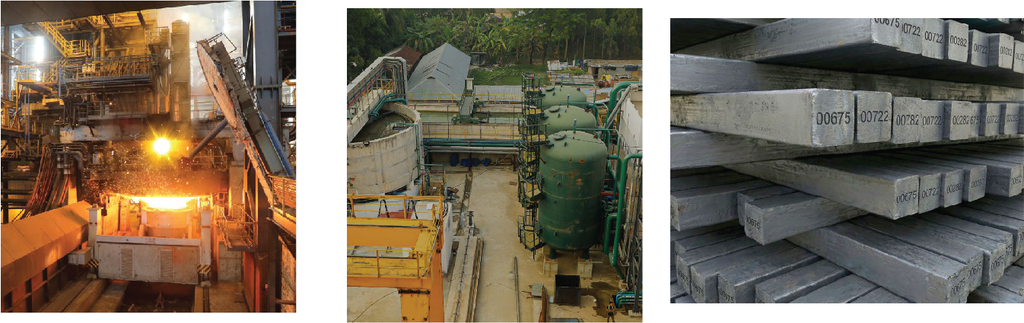
Industrial emissions, particularly from steelmaking, have historically contributed to air quality deterioration. Modern steel plants now use advanced off-gas treatment systems and high-efficiency baghouse filters to capture harmful particles before they reach the atmosphere. By integrating cutting-edge furnace technologies and stringent monitoring, emissions can be dramatically reduced to protecting public health and the environment.
Water Stewardship
With water scarcity emerging as a critical global concern, rainwater harvesting and Zero Liquid Discharge (ZLD) technologies are becoming standard practices. Industrial units are creating artificial reservoirs to store rainwater while ensuring that no untreated wastewater leaves the premises. Every drop is recycled and reused, preserving natural resources and safeguarding ecosystems.
Renewable Energy Integration
The steel industry is steadily reducing its reliance on fossil fuels by adopting solar photovoltaic systems and exploring wind energy and green hydrogen options. These transitions not only cut carbon footprints but also contribute directly to affordable and clean energy goals under the UN Sustainable Development Goals (SDGs).
Biodiversity Conservation
Beyond production, industries are engaging in large-scale tree plantation drives and developing artificial lakes and green belts around their facilities. These initiatives serve as carbon sinks, reduce noise pollution, and create thriving habitats for local wildlife—proving that industrial zones can coexist with nature.
Community and Crisis Support
On-site oxygen plants, primarily used in steel production, have also served communities during emergencies, such as supplying medical oxygen during the COVID-19 pandemic. This demonstrates how industrial infrastructure can support both economic and humanitarian needs.
A Holistic Roadmap
By integrating air pollution control, water stewardship, renewable energy, biodiversity initiatives, and zero discharge systems, the steel industry sets a clear path toward sustainable growth—showing that industrial progress and environmental care can advance together.
The Future of High-Strength Rebar – 600
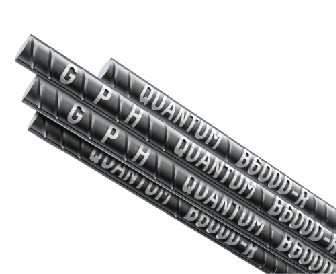
As urbanization accelerates, the need for safer, stronger, and more sustainable construction materials is greater than ever. Modern steelmakers are adopting advanced technologies to deliver not only superior quality but also environmentally responsible products. Among these innovations, the production of high-strength rebar, such as 600-grade steel, represents a major leap toward building structures that last longer, use fewer resources, and offer enhanced safety.
Why High-Strength Rebar Matters
High-strength rebar offers exceptional tensile strength compared to conventional grades. Using 600-grade rebar allows for fewer reinforcement bars in a structure without compromising safety or durability. This reduction leads to cost savings in both material and labor while ensuring earthquake resilience and longer service life for buildings, bridges, and other critical infrastructures. Moreover, high-strength rebar contributes to sustainability by minimizing the use of raw materials and optimizing structural efficiency.
Scrap Preheating Technology
The journey toward sustainable, high-strength steel begins with raw materials. Scrap preheating technology plays a vital role here. Instead of feeding cold scrap directly into the furnace, modern systems use the heat from furnace off-gases to preheat the scrap before melting. This approach reduces electricity consumption, cuts down greenhouse gas emissions, and ensures the removal of surface impurities like paint, dust, and coatings before melting begins. The result is purer steel produced with lower environmental impact.
Siphonic Tapping for Purity
Another critical advancement is the siphonic tapping system, which ensures that only pure molten steel is collected from the furnace. Traditionally, impurities like slag can mix with molten steel during tapping, compromising quality. By using a special refractory barrier and minimal furnace tilting, siphonic tapping prevents slag contamination. The process enables the production of cleaner, liquid steel—essential for manufacturing high-strength rebar with uniform properties.
High-Speed Continuous Casting
After refining, molten steel undergoes high-speed continuous casting to produce billets—the raw material for rebar. High-speed casting ensures the use of automatic mold level sensor (AMLC), closed casting practice, enhanced Mn/S ratio, the actual use of EMS, close & optimal superheat temperature control in the process. Advanced features like electromagnetic stirring break, harmful dendritic structures, while automatic mold level sensors maintain consistent casting speed. This leads to billets with exceptional internal refined grained structure properties, forming the foundation for world-class 600-grade rebar.
Moreover, high speed continuous casting systems maintain high manganese-to-sulfur ratios, reducing the negative impact of sulfur on steel’s mechanical strength. The entire process is closed and controlled to prevent re-oxidation, preserving the purity achieved during earlier stages.
Winlink Technology: Energy Efficiency Meets Quality
One of the most remarkable innovations in modern steelmaking is Winlink technology. This system directly connects the casting and rolling processes, allowing billets to move from the caster to the rolling mill without intermediate cooling. By maintaining optimal billet temperatures and avoiding full scale reheating, Winlink technology significantly cuts energy consumption and emissions. At the same time, in every stage of rolling, it ensures proper control of temperature, rolling speed & water parameter simultaneously with the help of SCADA based PLC automation system which ensures better surface quality and mechanical properties for the final rebar product.
A Call to the Industry
The adoption of these advanced technologies demonstrates that producing high-quality, sustainable, and high-strength steel is not only possible but essential. Steel manufacturers across the industry should embrace similar practices to reduce environmental impact, improve resource efficiency, and deliver materials that meet modern construction demands. By doing so, the entire sector can move toward a future where sustainability and strength go hand in hand.
Copyright © 2026 ArchBiz Magazine. All Rights Reserved.