

Rafiq Azam, on the façade, might appear as an embodiment of the most common stereotypical objection about architects difficult to interface with.
But if you gaze closer and know how to tap in, you will come upon a Rafiq Azam who laughs like a child; a heart that can undulate like an overwrought poem, yet a thoughtful listener who welcomes contrasting perspectives about his work; a nifty negotiator, yet intransigent about certain values.
Mohammad Rafiq Azam’s paternal side migrated from Varanasi to Old Dhaka two places divided by a map but connected by the same mystic water that flows from the Himalayas into the Ganges and then into the Buriganga. Rafiq grew up in Old Dhaka, which was starkly different from its present self.
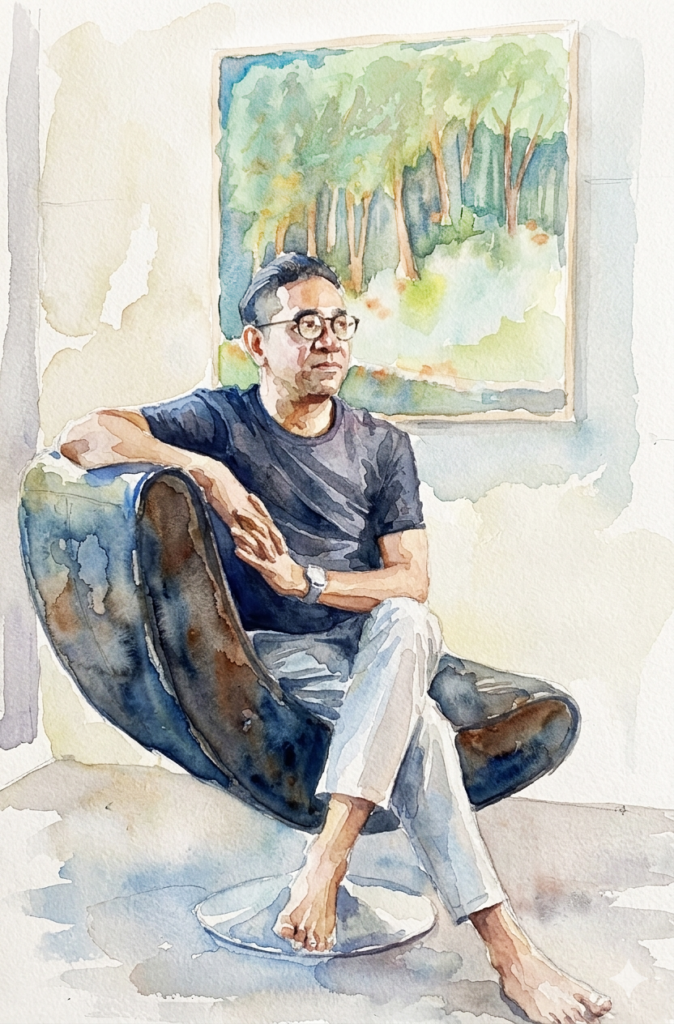
Initially, he only wanted to paint. But many stories later, from suffering in architecture school to living through struggles in personal life, from gradually revolutionizing the apartment-scape as a fresh breath of air in an unlivable Dhaka to his larger-scale and community projects and projects abroad, despite the valid criticisms that also followed, Rafiq’s unyielding grit cemented him as one of the finest architects from the region. He is one of those architects whose impact locally cannot be measured by his cabinet of awards.
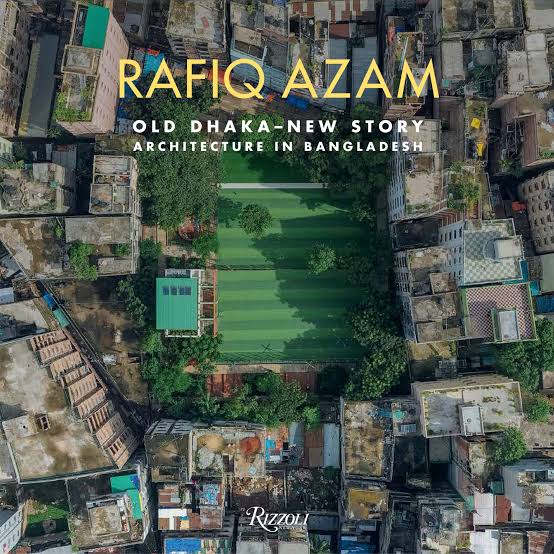
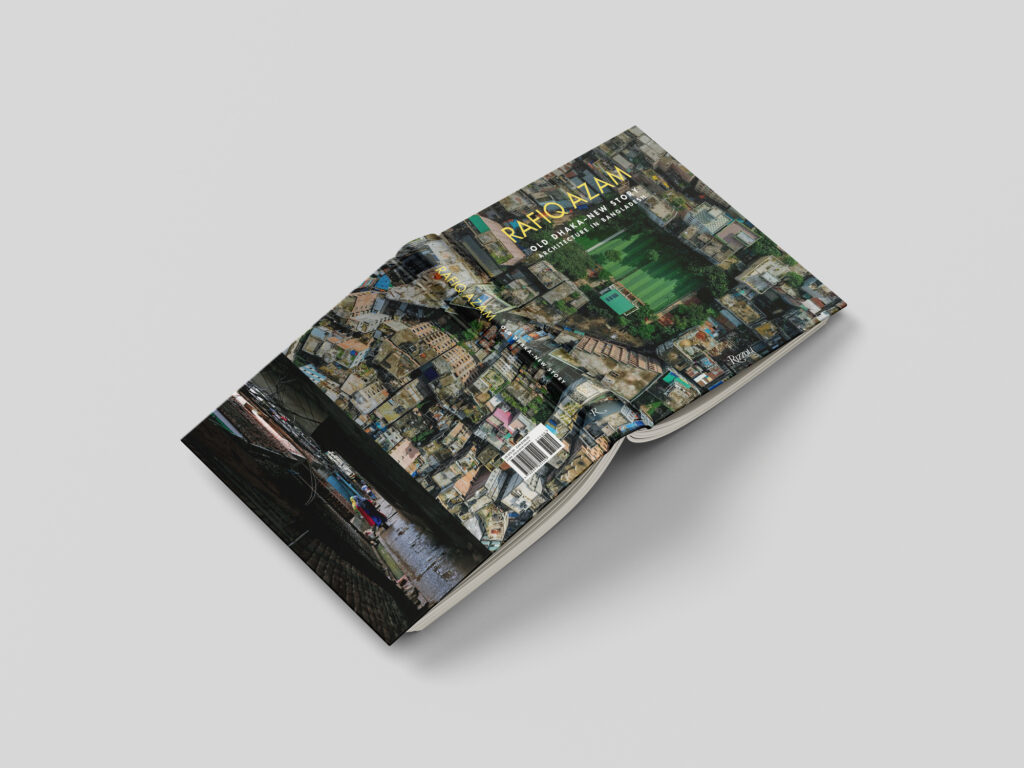
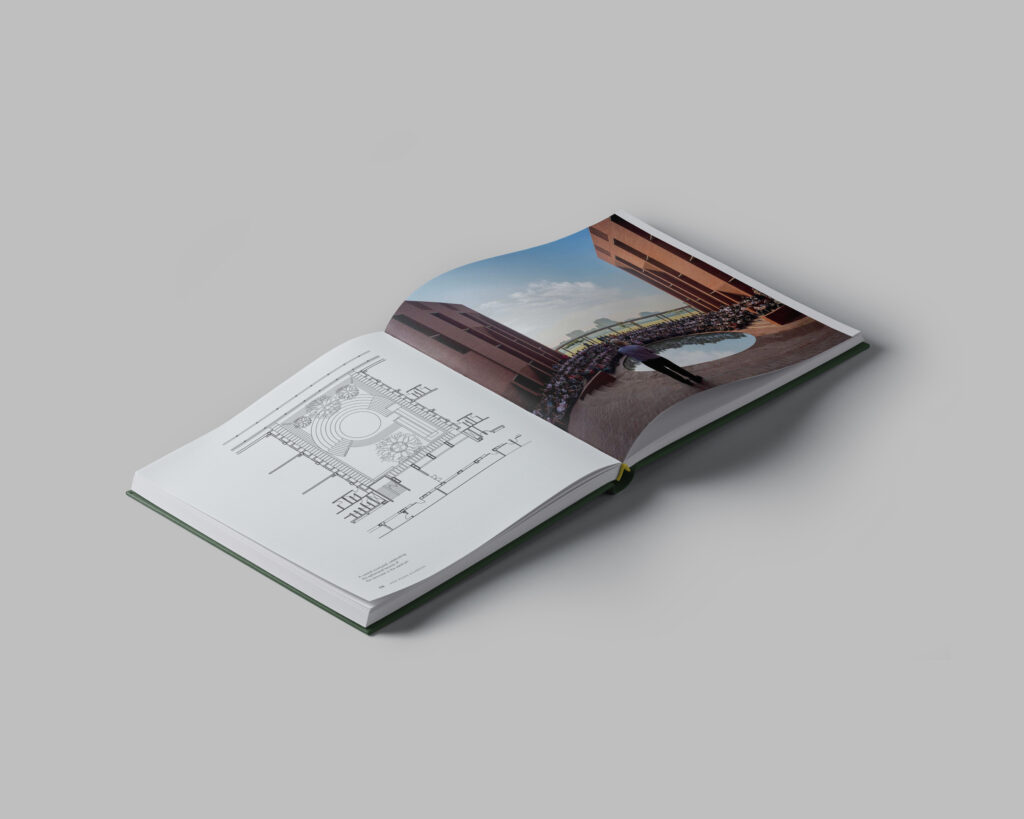
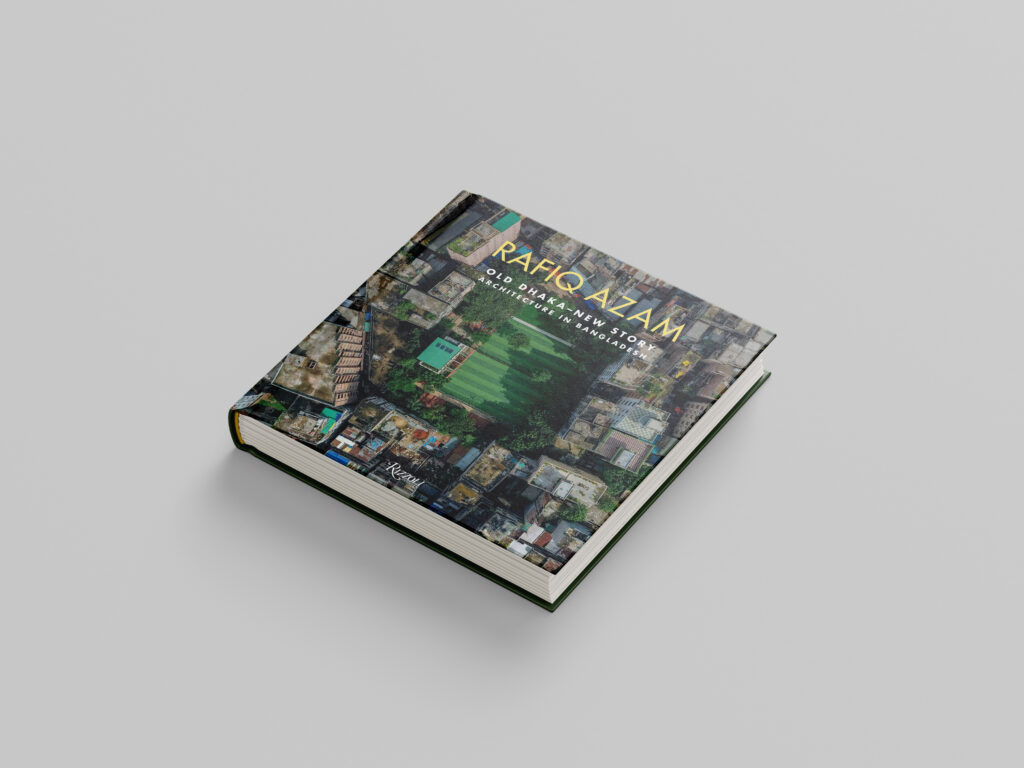
On the occasion of the release of his exciting latest book, Rafiq Azam: Old Dhaka-New Story, published by the renowned Rizzoli, we sat down for a candid conversation at his firm, Shatotto.
Tell me about how the book came into fruition. It is rare for world-renowned publishers to publish anyone from Bangladesh. How did you get in touch with such a big house like Rizzoli? Even your first book was published by Skira.
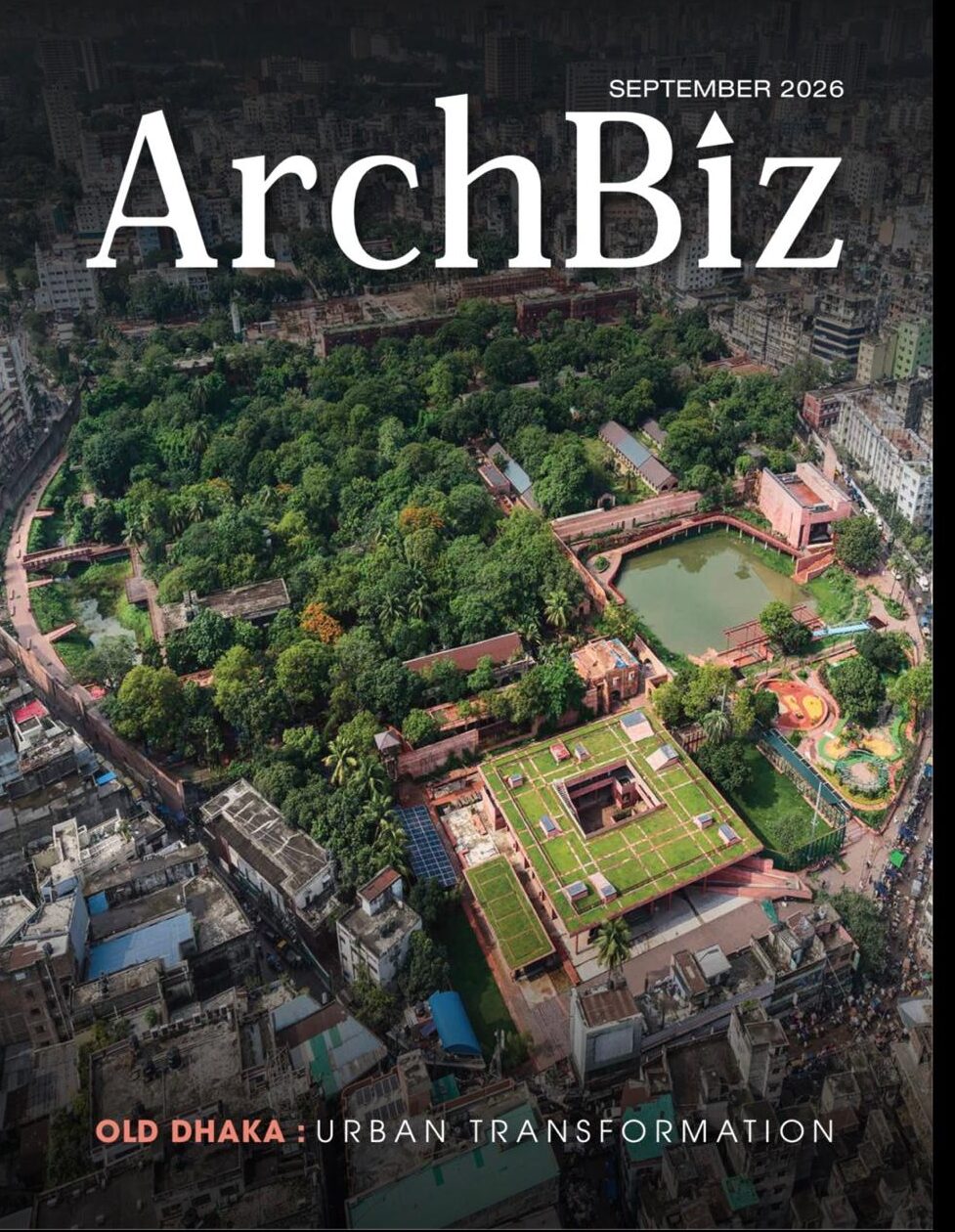
There is a long backstory. Back in 2016, the then mayor of Dhaka’s South City Corporation approached me and said, “You are such a celebrated architect who has worked at home and overseas. But despite being Old Dhaka’s homeboy, you haven’t done anything notable there.” Although I did a few projects in Old Dhaka, I realized that I haven’t contributed to anything that made the daily life of the residents better; I haven’t given back to the neighborhood where I grew up or to the community that still adores me. While working on these projects struggling to see Old Dhaka in a new way and bring a positive change, all while trying to keep the memories, stories, and its distinct character intact. I thought that this journey deserves proper documentation. So before the COVID pandemic, I went to Milan with my wife, Jui. And over cups of coffee, we met the editor of my first book, Rosa Maria Falvo. She told us that she has recently joined Rizzoli and wants to publish the book from there.
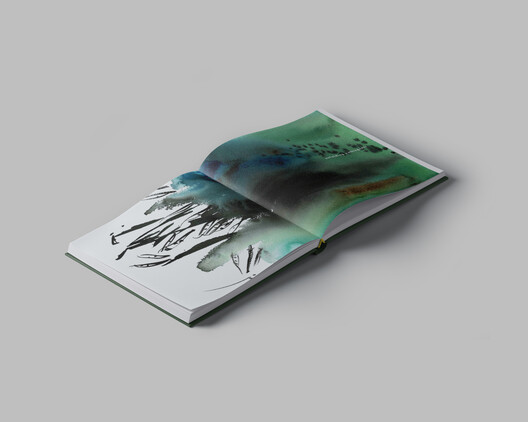
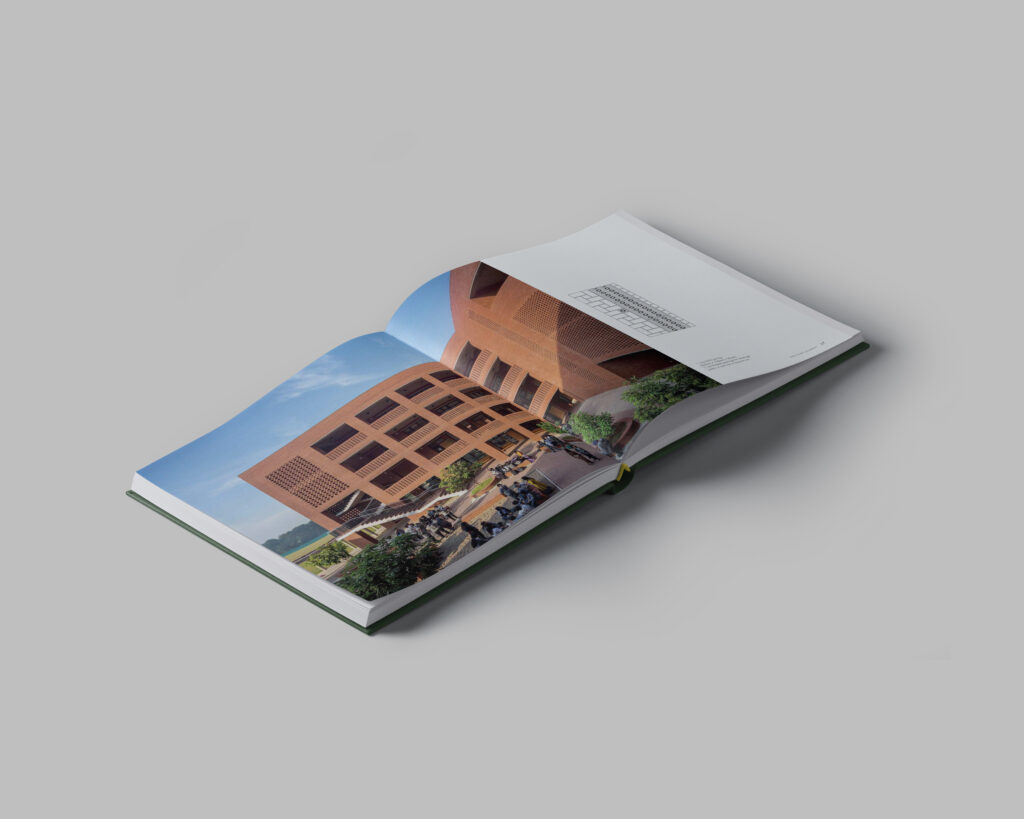
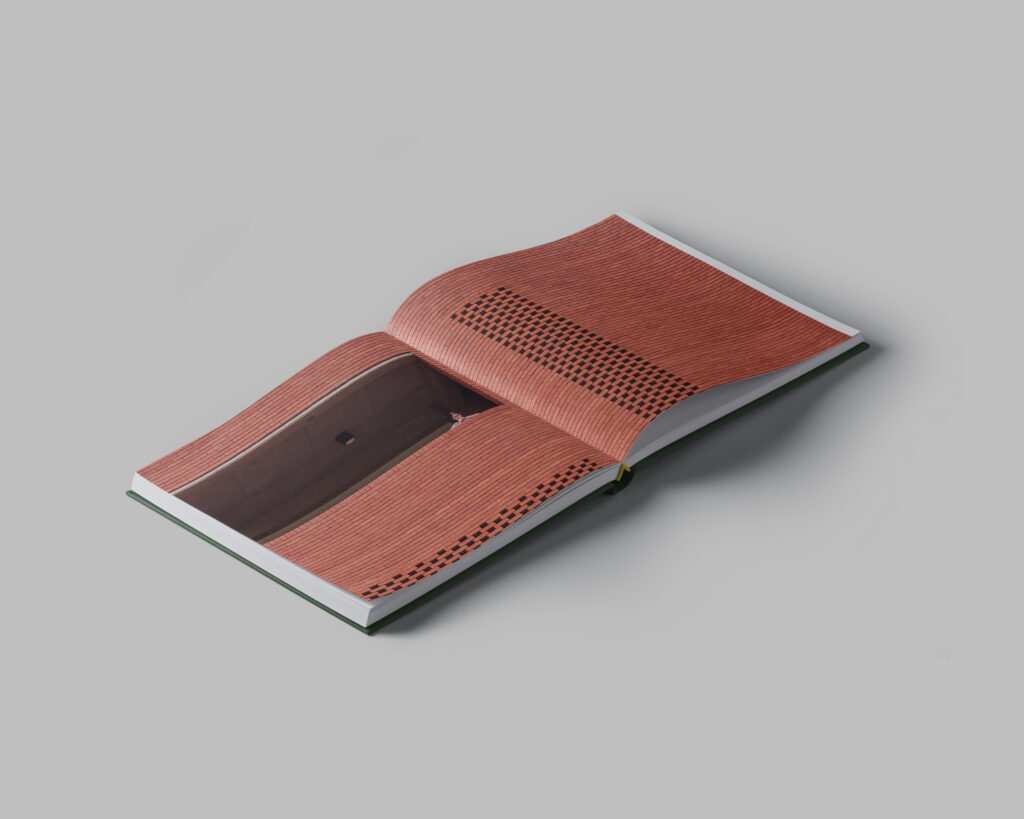
The book is a story of my homecoming a story of travelling the world and then realizing that if I am not giving back to my people something that can be celebrated, am I actually doing anything meaningful as an architect?
To my understanding, the most arduous aspect of implementing those projects in Old Dhaka is not in the design. As the architect, how did you navigate through the complicated contexts behind the scenes and finally manage to bring the projects to life?
When I started working in Old Dhaka, I began to encounter mainly four issues to a serious extent.
One of them is that there were some political decisions that could only be made by the politicians. Not even the people from the administration could do anything. When I wanted to remove every type of wall from all the playgrounds, parks, and green spaces, the administrative people told me that “these are government-owned spaces, so they are surrounded by boundary walls. Who are you to throw them away?”
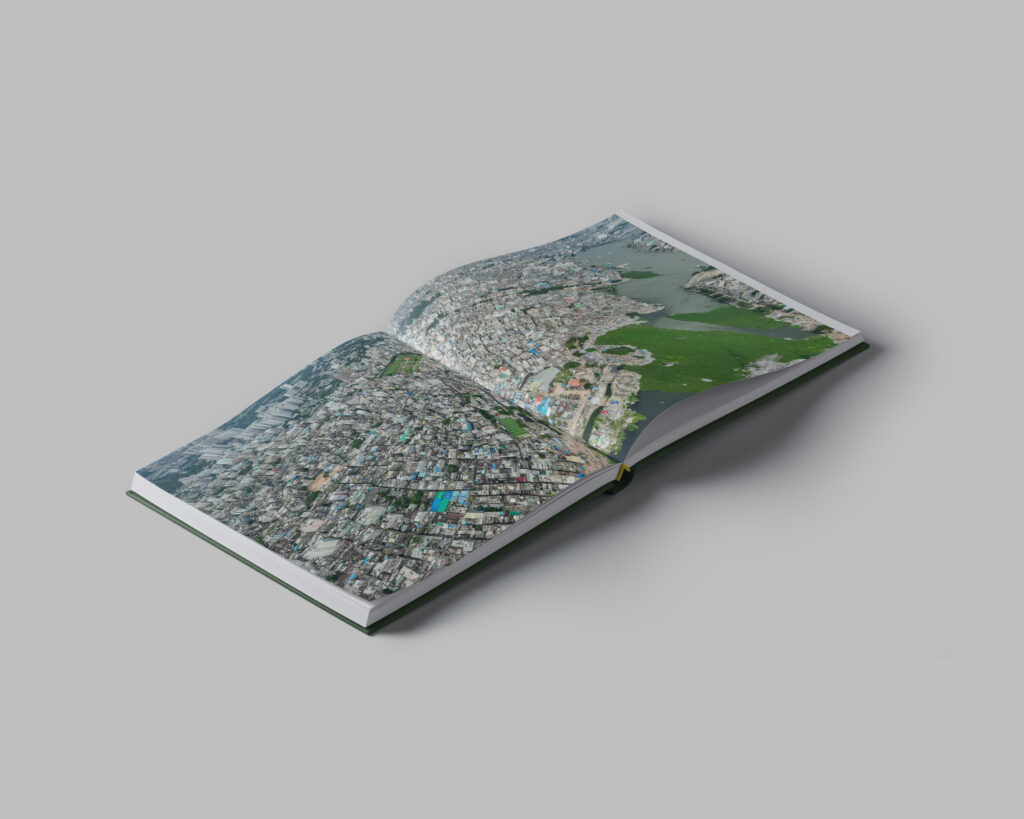
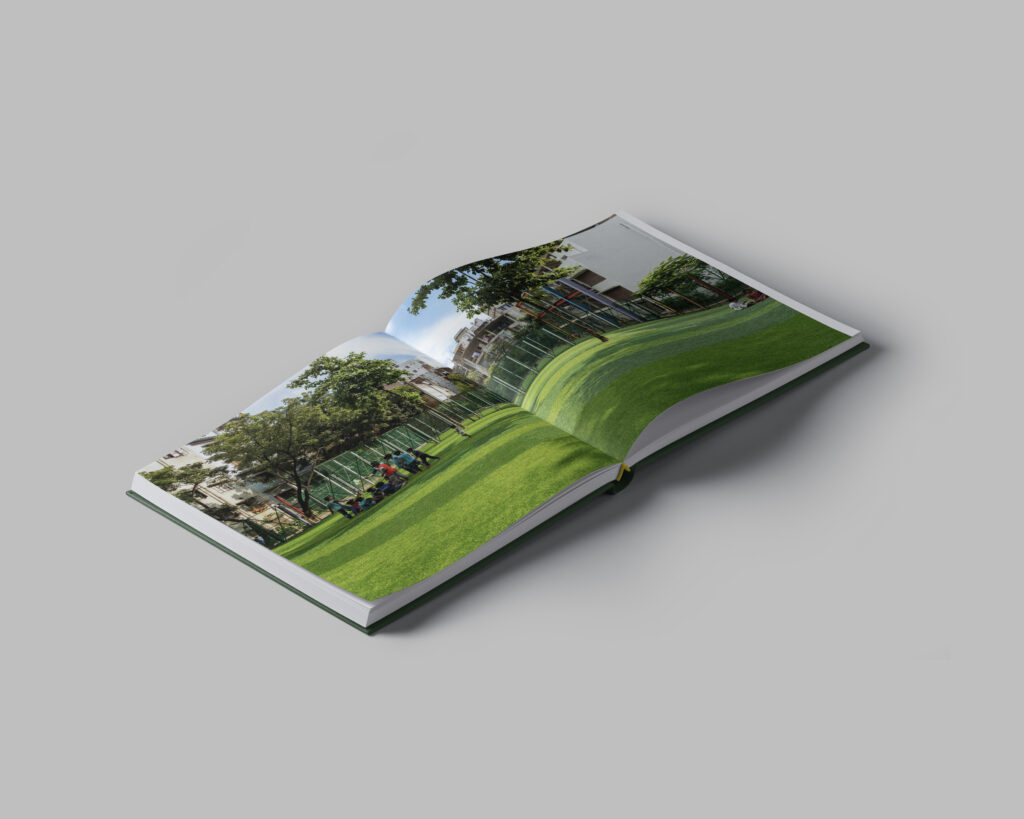
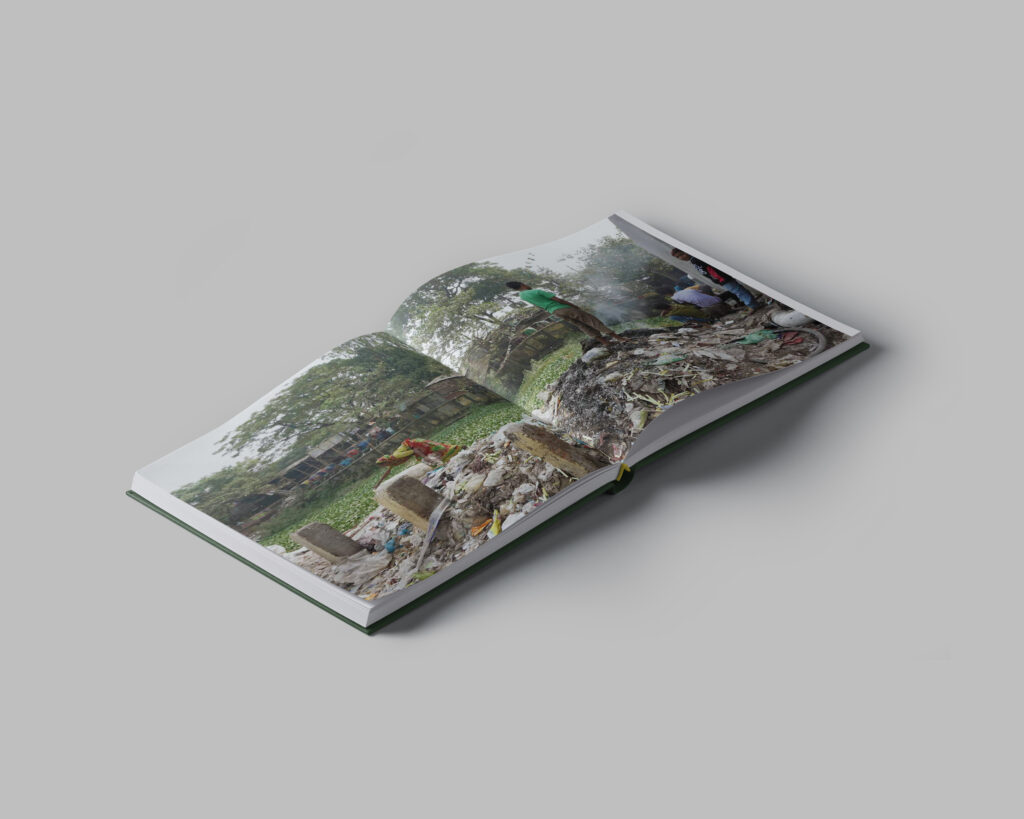
Thus, I had to fight a lot to convince them that removing the boundary walls would solve the existing problems, because otherwise all these spaces would still be encroached, trucks would be kept, there would still be use of drugs, and rainwater would clog; there had been no solution to these for 30-40 years. I even gave presentations at the meetings explaining why I want to remove the boundary walls, why I want to store rainwater and filter it, etc.
The second issue was the administrative people, not everyone, but a particular mass of government officers who were mostly interested in corruption and saving their jobs. They had no interest in whether the projects were of any use to society and didn’t want to go through any sort of trouble.
The third issue was the residents. They don’t trust anyone. They stated that all these architects and engineers always come, but they never keep their word; they only take the money and leave, and the problems remain the same. But because I am from Old Dhaka and adored by the community, which is a big asset, I utilized that. I managed to convince them by being completely transparent about my plans.
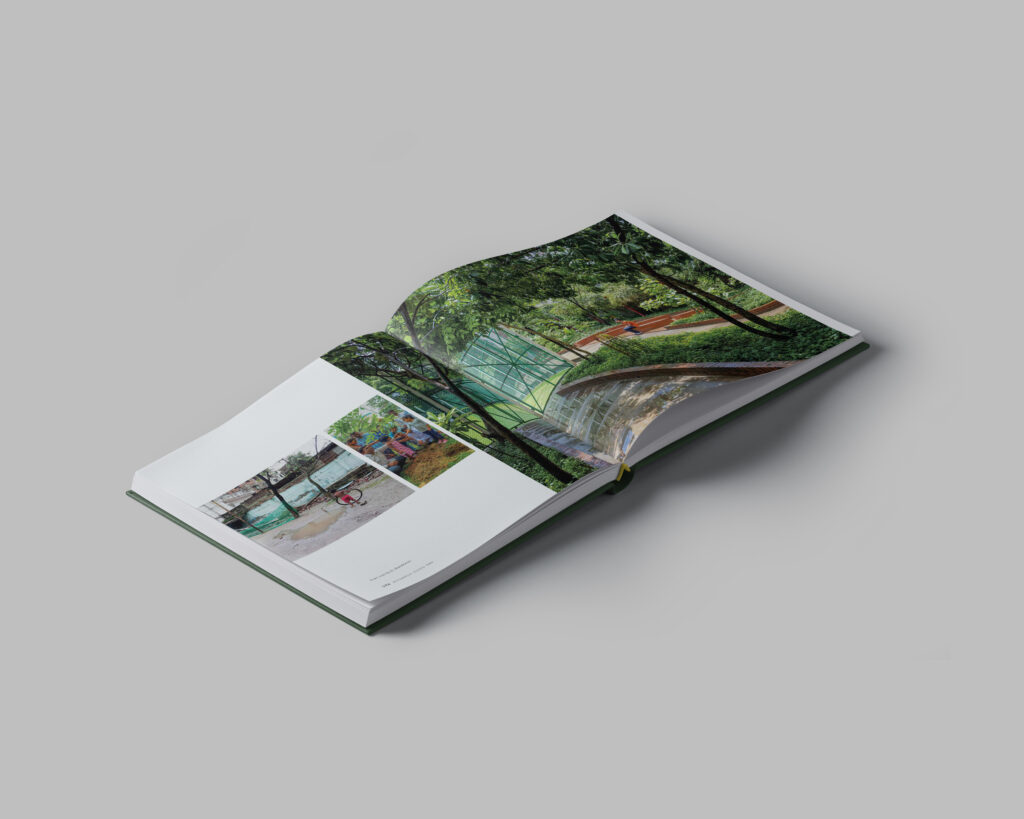
And last but not least, the contractors. At that time, all the contractors, whether criminals or not, were from the Awami League. Whenever they were given the funds for a project, they only completed half the work and stole more than that. So I told them, similar to what I said to the administrative people. Today, when I see these spaces being vibrant by the presence of the community, and especially when I see all the children playing, it fills my heart; their laughter sounds like the music of the city.
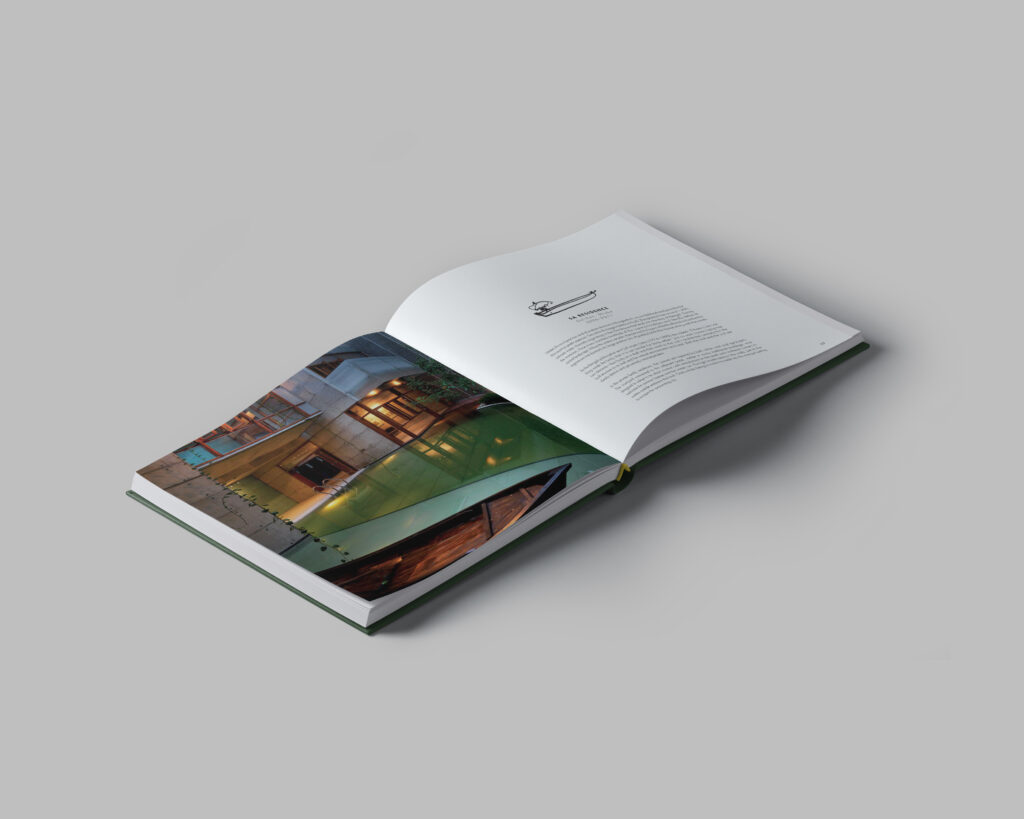
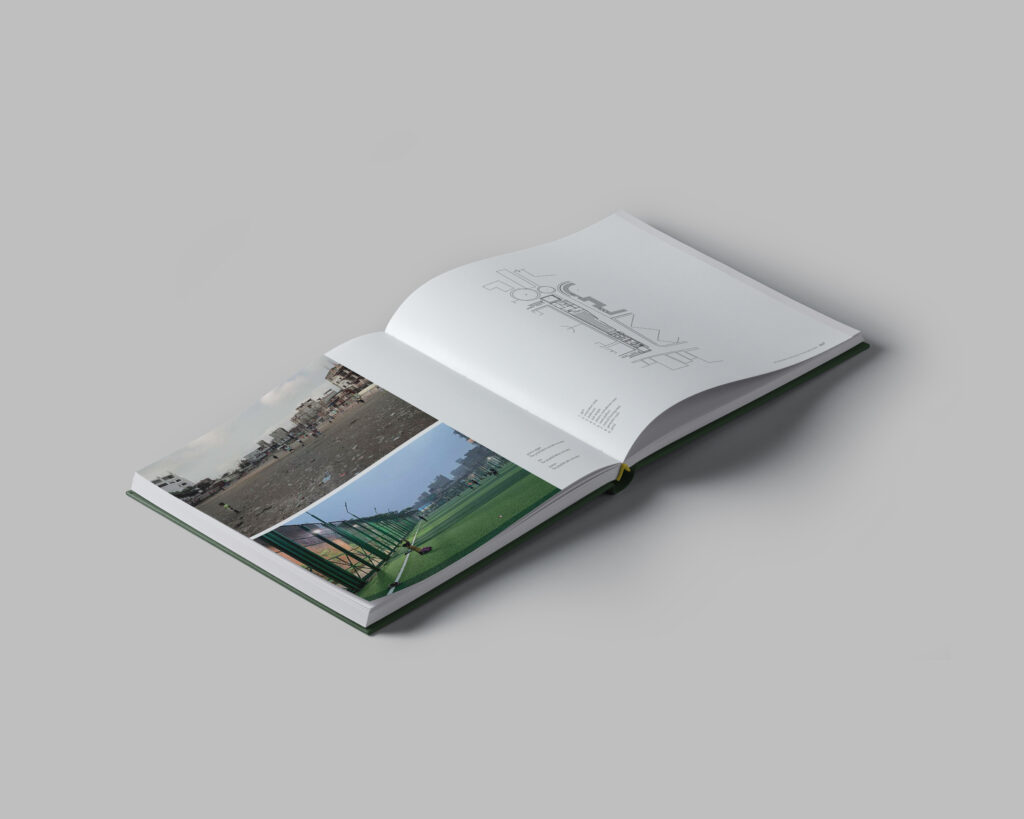
However, there is no maintenance today. None of the mayors kept their word. This is where I failed. Personally, we look after two playgrounds; they remain well-maintained and have received awards as an example of what happens if they are looked after. The result is there, but nobody cares; nobody bothers. So I am disappointed as well.
During that peak period of the previous political regime, which fled due to a bloody uprising, you directly told its beneficiaries that they were stealing money from projects and didn’t get the work done?
Yes, of course. I have nothing to lose. And I am not insulting anyone; I am telling the truth.
You were a bookworm too. Your second book, which is basically a mid-career monograph, is to be published. How much does that excite you? And have you ever thought of publishing an autobiography or a retrospective book one day?
I can’t really say that I am a bookworm.
When we were kids, we had to read Michael Madhusudan Dutt, Dr. Niharranjan Ray, Saratchandra, Bankim, and other books for various reasons. We didn’t have computers back then, so books were like computers to us.
In my life, I am actually a working person. So it’s not that I have casually read many books, but I needed to study and learn about various topics because they are essential to my architecture practice.
It is very difficult to publish a book internationally, especially if it is hefty. It took me 15 years and a lot of struggles to publish my first book. And a lot changed in those 15 years—the frequency of my projects, my thought process, perspective, and overall approach towards architecture, and even myself as an individual. But it was good. I don’t have any regrets. For my second book, it took me 12 years. And in the coming months, it will be released in almost 70 countries worldwide.
So, where is my time to write an autobiography? If I want to do that, I either have to retire or go on sabbatical! However, God knows best. There might be an autobiography.
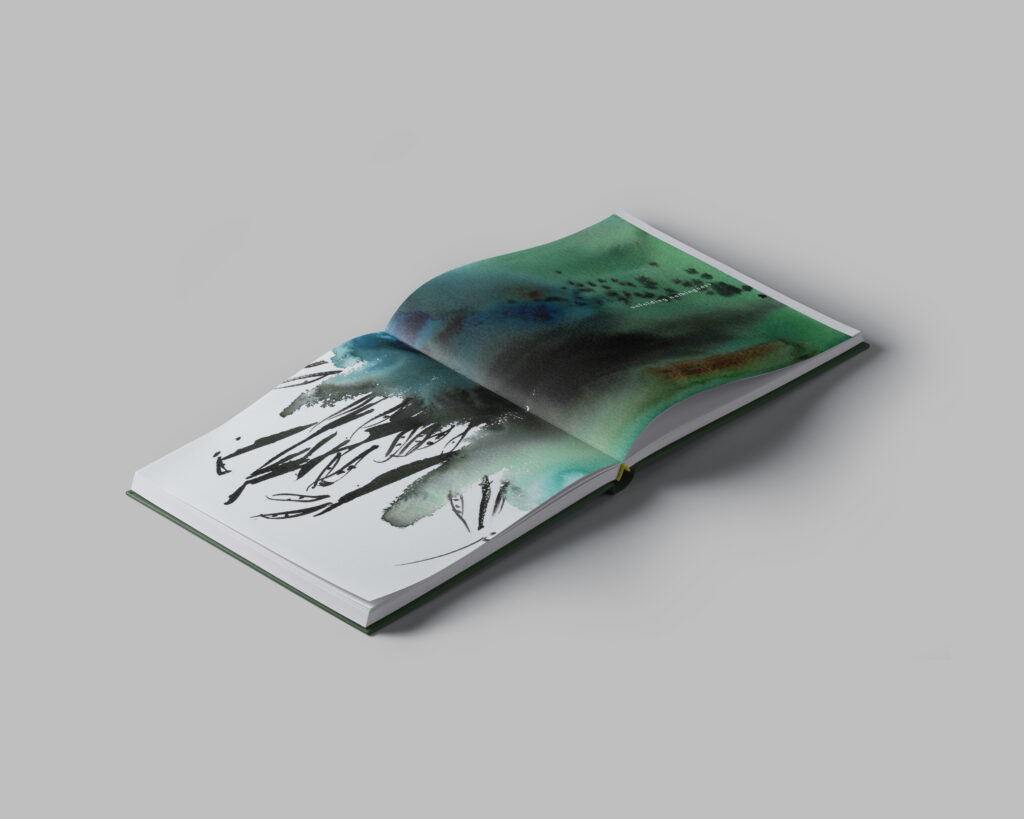
When I was going through your latest book, I felt that you are actually an artist—architecture is just another medium to you. Regardless, I also felt that you still haven’t done your best work yet; it also seems evident to me that if you ever receive commissions with better contexts, you are capable of producing wonders.
Undoubtedly, I haven’t been able to do my best work, and there are several reasons for that. For instance, as architects, we are continuously learning and growing. So if I design something new, and by the time the construction is completed after a few years, my perceptions have already evolved and matured further. So there is a possibility that I will never be able to do my best work. However, if I can do things that are at least moderately acceptable, and people are celebrating it, I am satisfied.
And about architecture being my medium—that happened because I never wanted to be an architect in the first place; I ended up in BUET after my cousin sister told me that I could also do painting in architecture. So my father was happy because I got into an engineering university, and I was happy that I could paint. But soon, I woke up and smelled coffee.
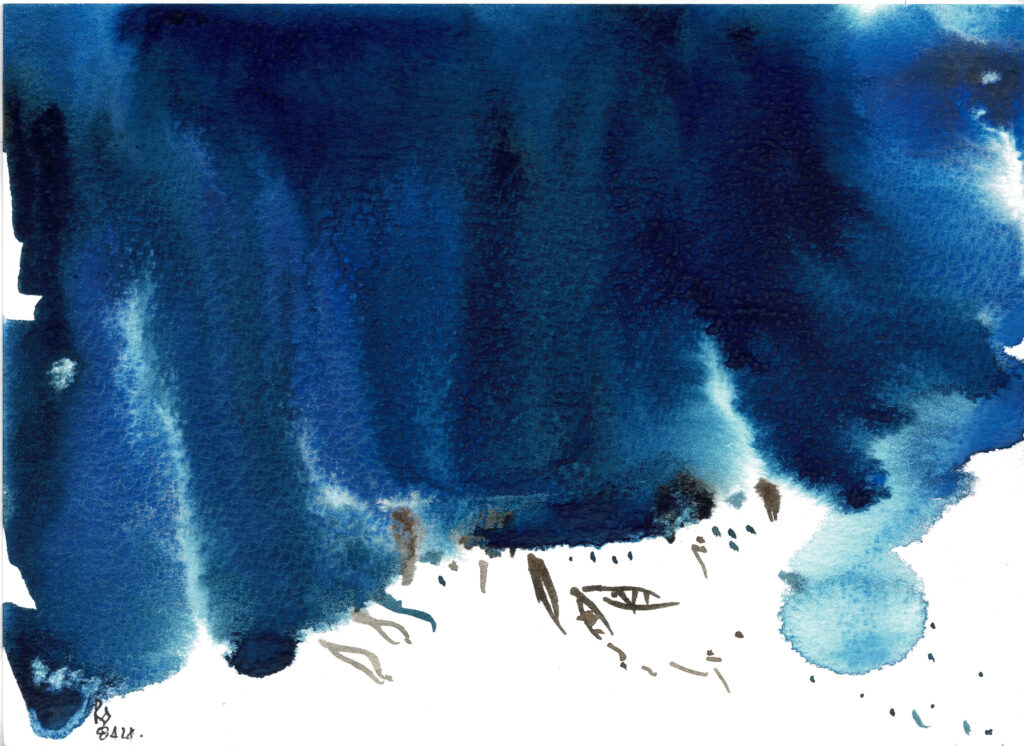
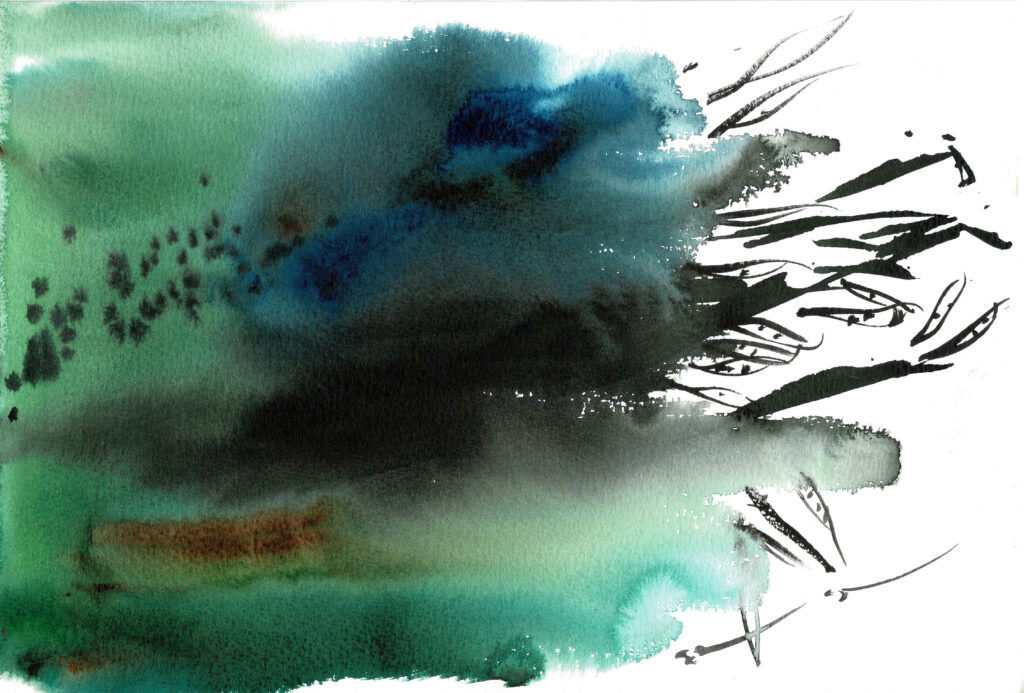
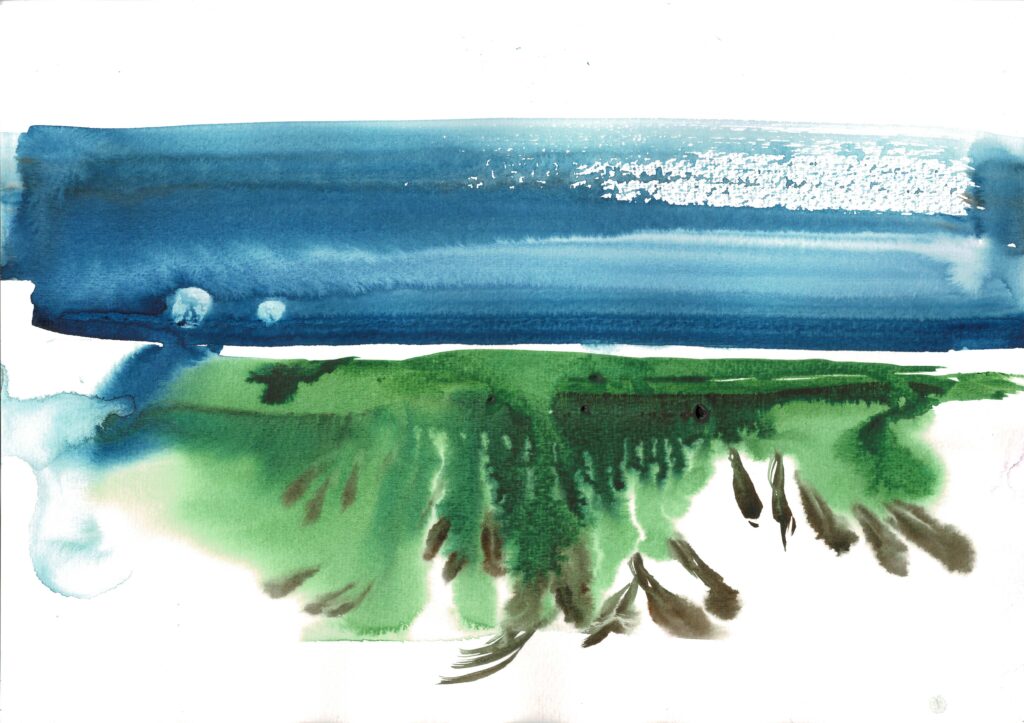
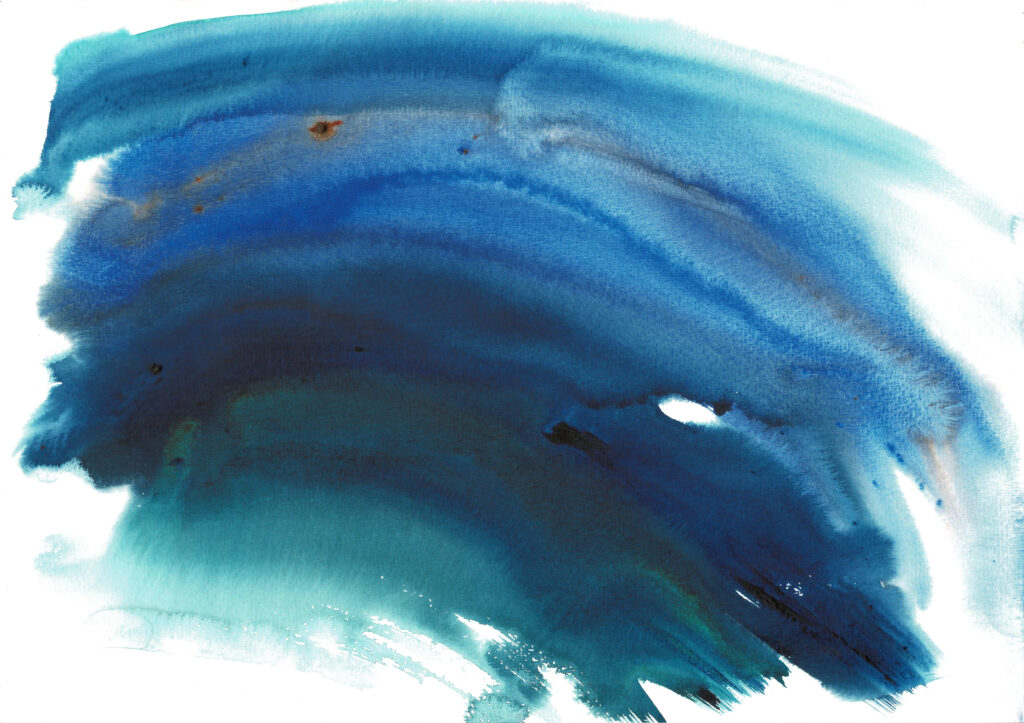
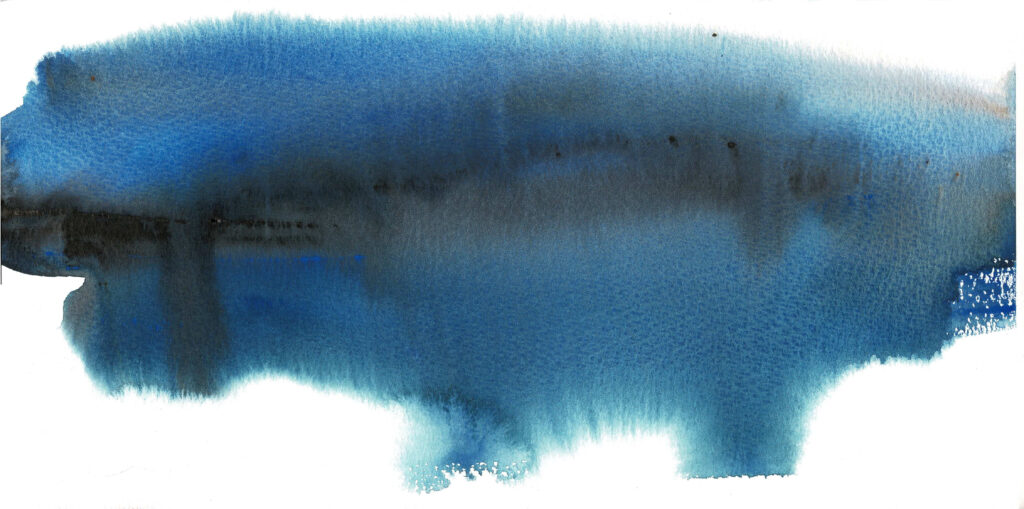
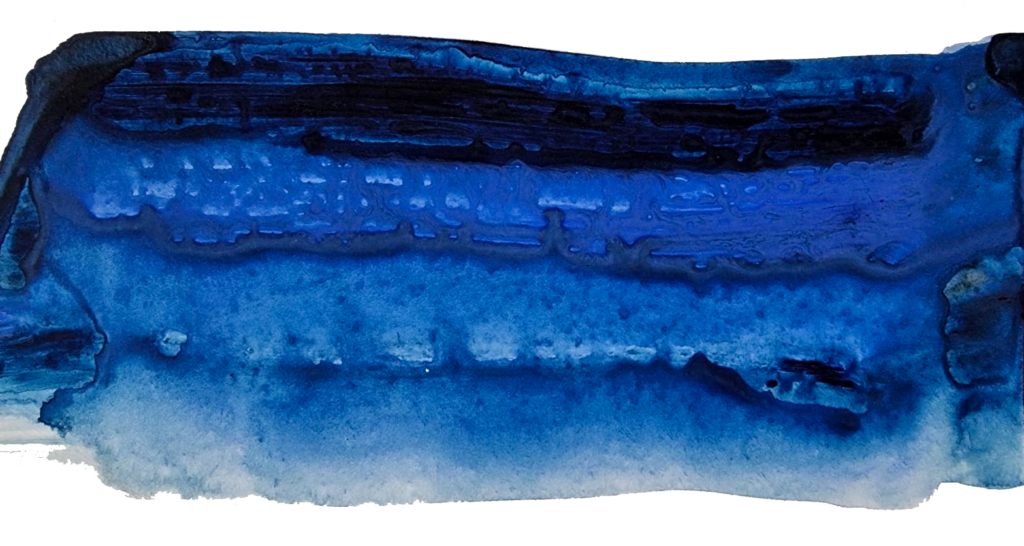
So I still have that thirst for painting, and if you notice, what I used to draw as a child essences of elements from landscapes—I still do that in my architecture; I watercolor landscapes, and I also paint landscapes as well.
What is your dream project? And do you have any unrealized projects, something that you always wanted to do and had worked really hard for but didn’t come to fruition?
I don’t have time for unrealized projects.
And I don’t have a dream project either. To me, dreams are something that is constantly under construction and deconstruction; they’re liquid, nothing static, and inside there are lots of vagueness and unknowns that I try to understand.
Water colore
Copyright © 2026 ArchBiz Magazine. All Rights Reserved.