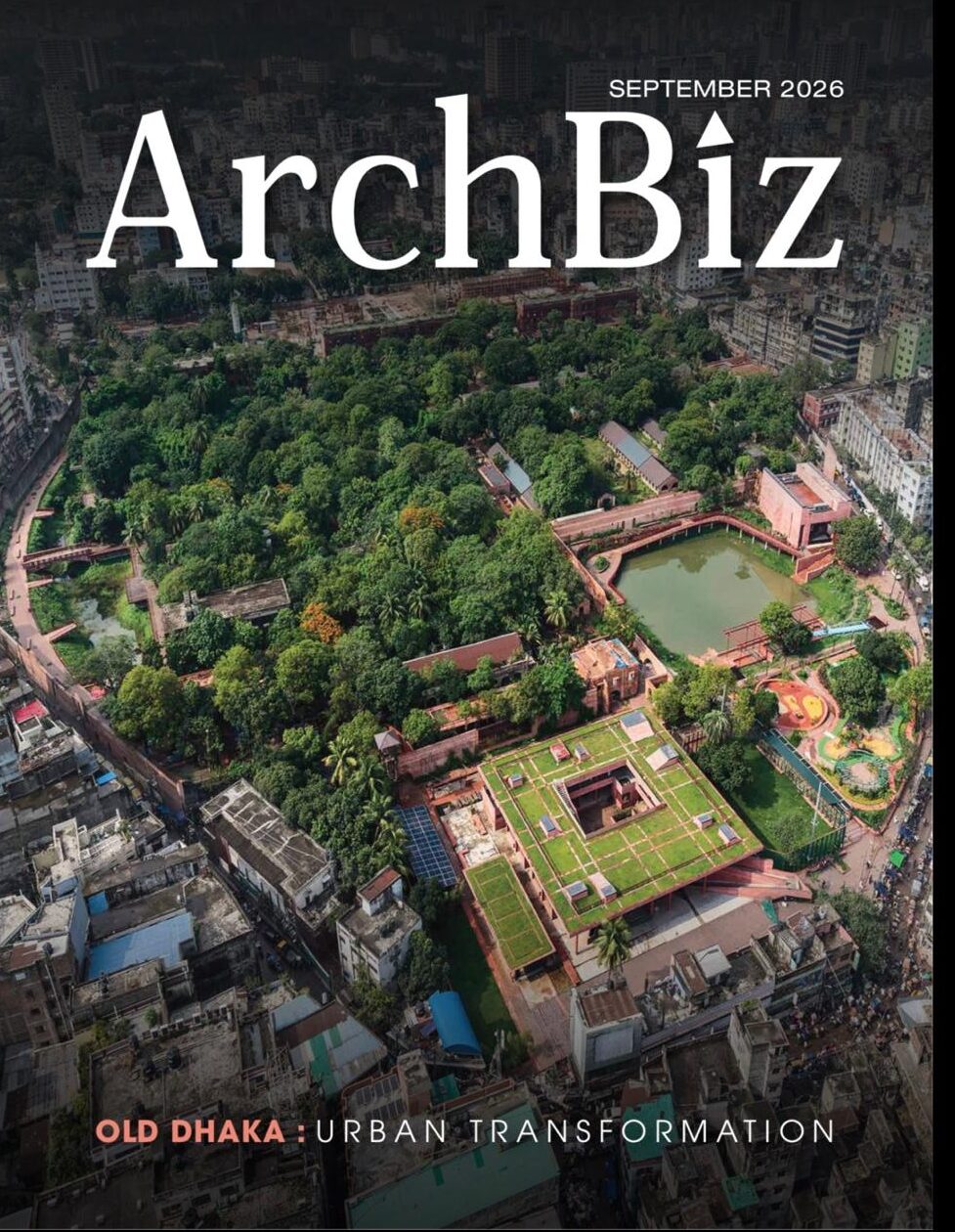


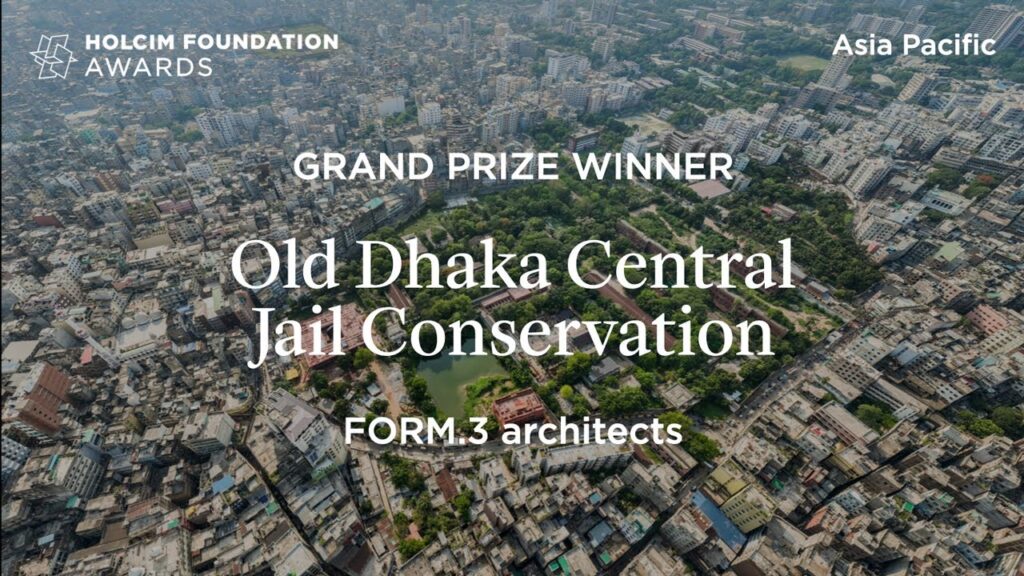
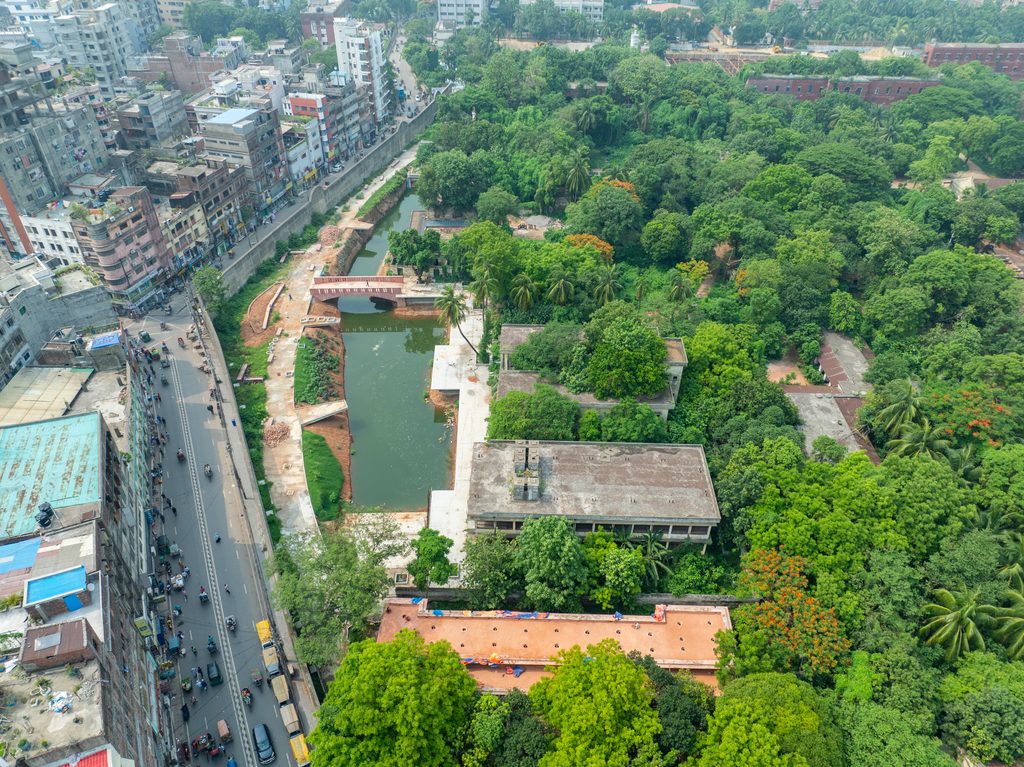
The transformation of the Old Dhaka Central Jail Compound represents one of Bangladesh’s most significant heritage-led urban regeneration projects. Located within the historic core of Old Dhaka, the 27.93-acre site carries centuries of layered history, evolving from an Afghan fortification to a Mughal stronghold and treasury, and later serving as the Dhaka Central Jail for over 228 years. The design envisions a new civic landscape that preserves this remarkable heritage while responding to the urgent need for public open space in one of the world’s most densely populated urban environments.
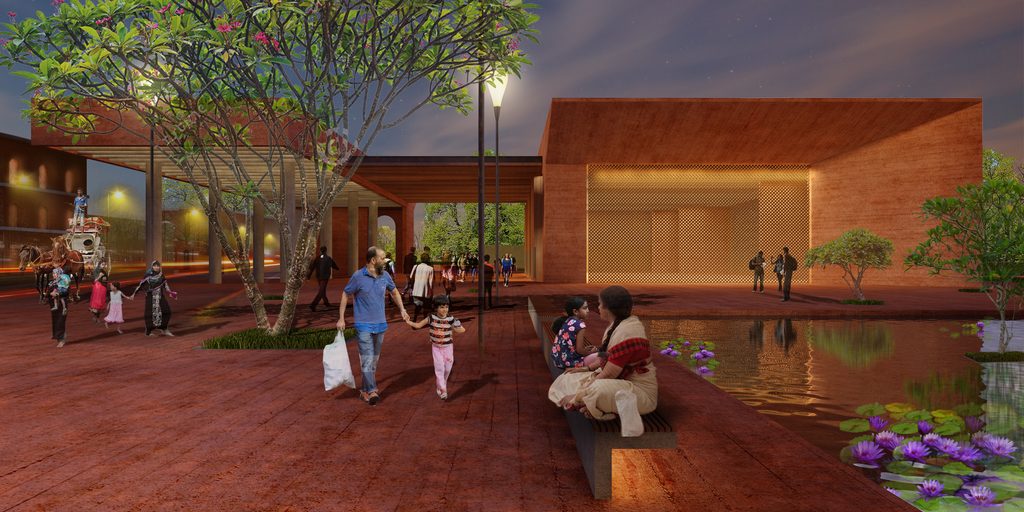
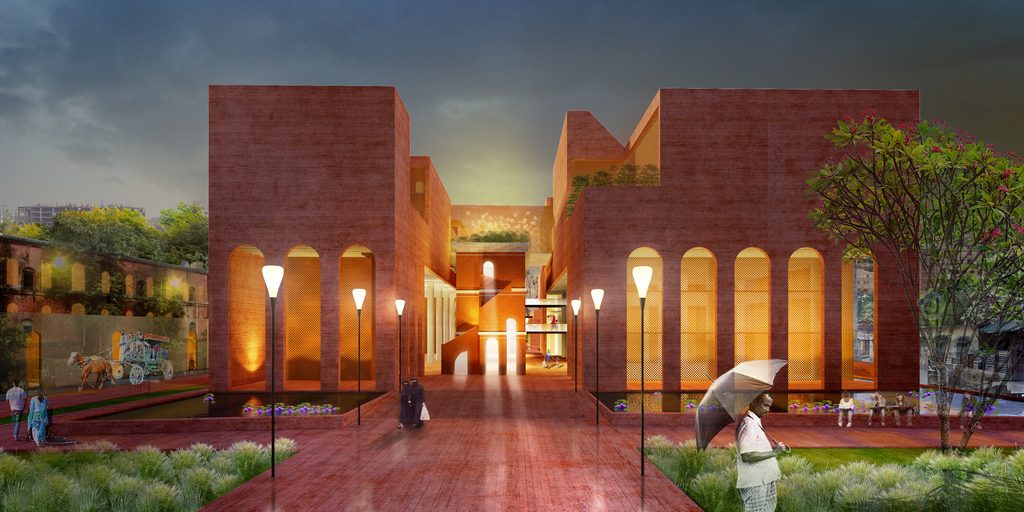
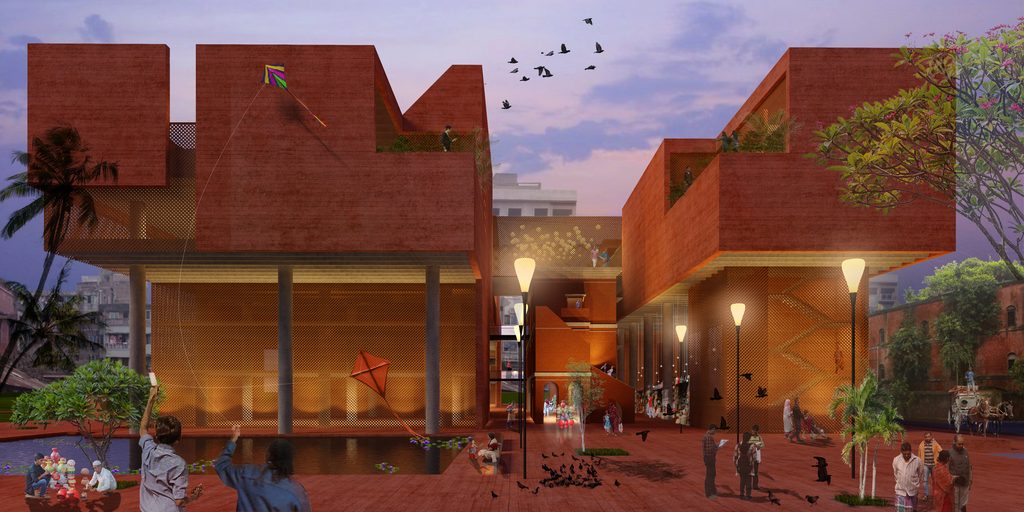
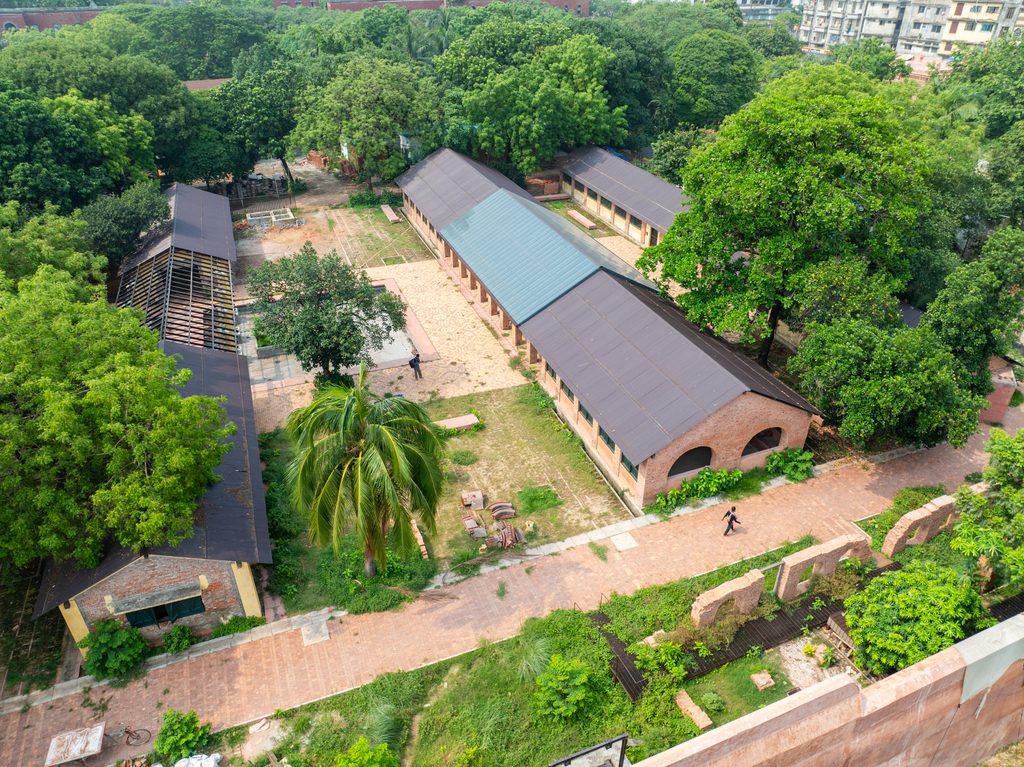
ZONE B_Chawk Bazar Public Space & Neighborhood Amenities
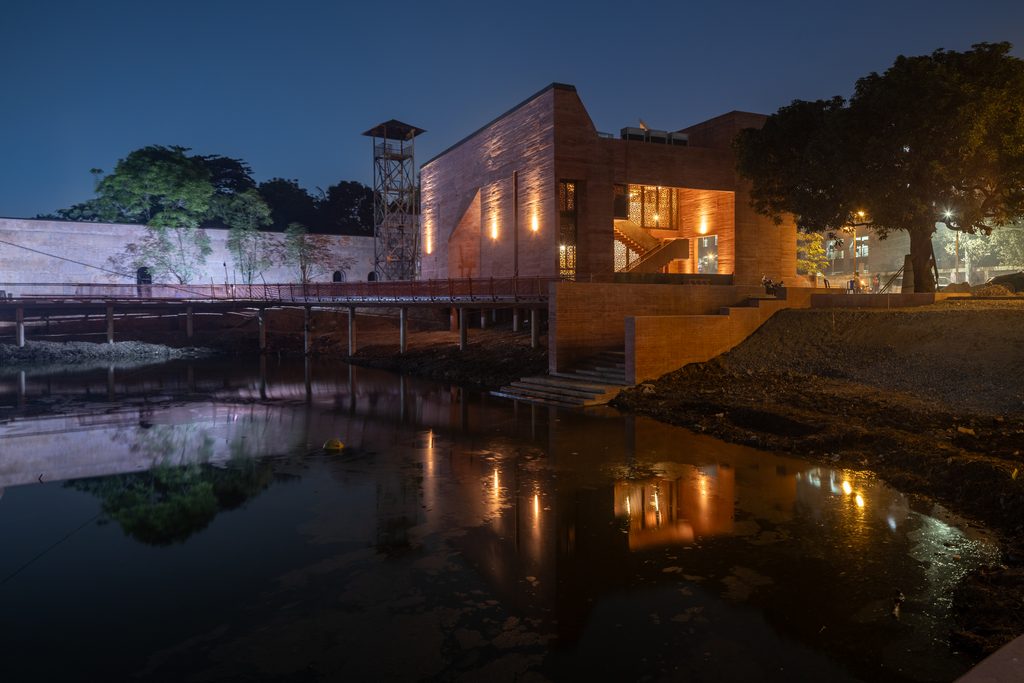
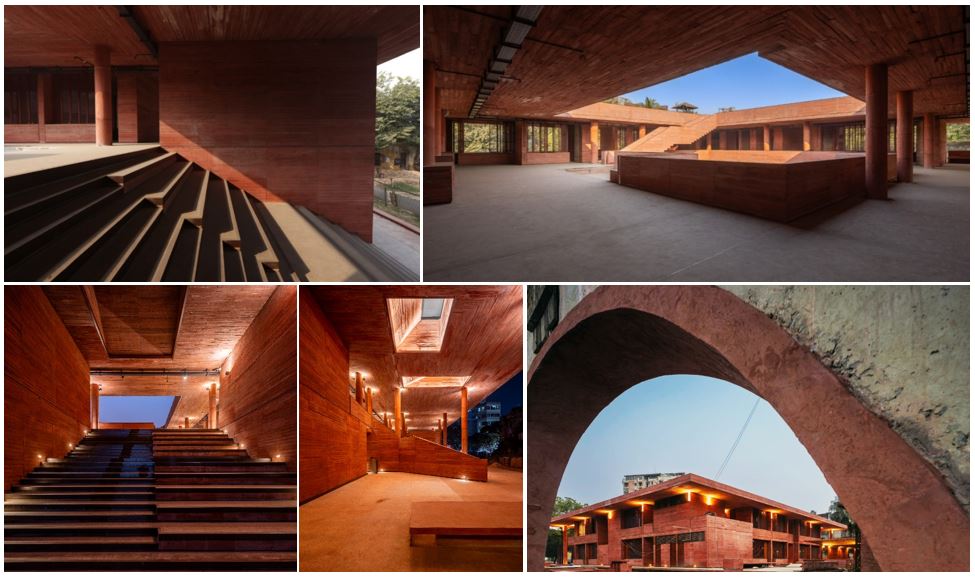
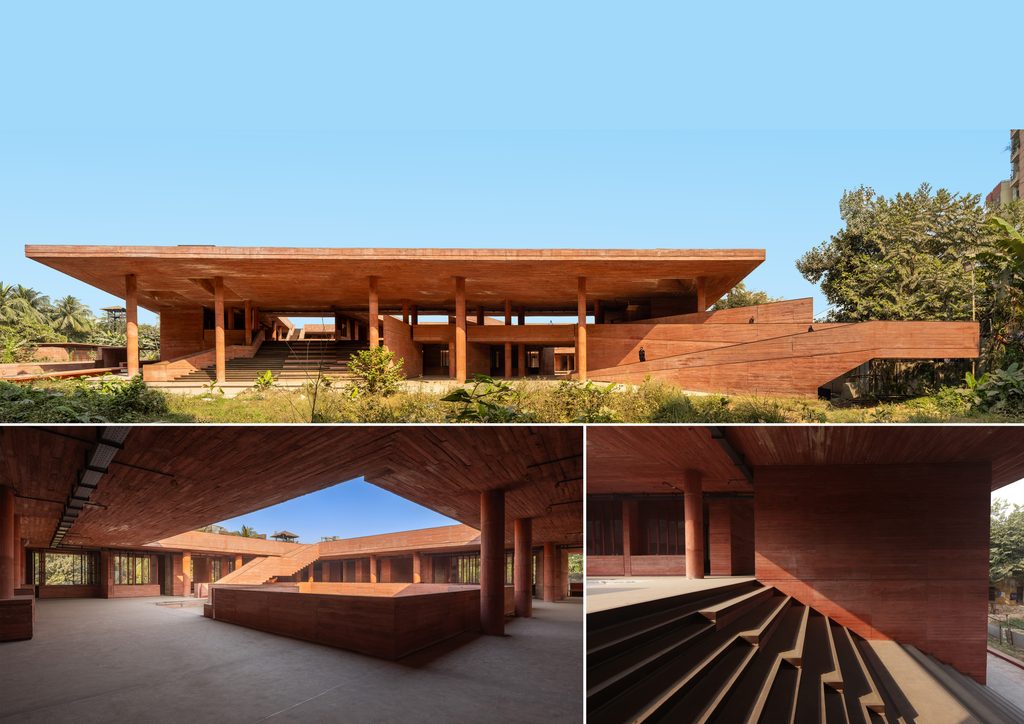
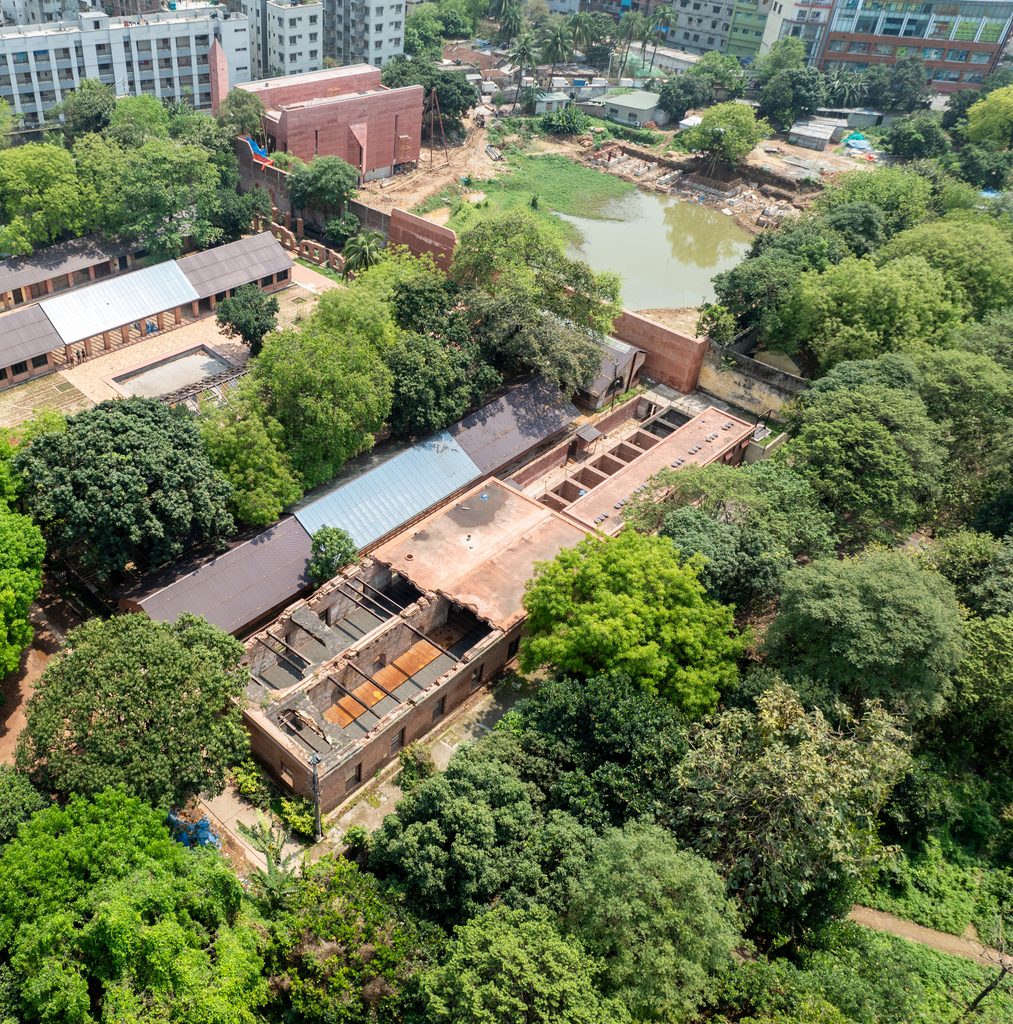
The fundamental design concept is the transformation of a place once defined by confinement into a landscape of openness, memory, and public life. Rather than treating the site as a collection of isolated heritage structures, the proposal adopts a holistic conservation approach where architecture, landscape, archaeology, and collective memory are preserved as an interconnected cultural landscape. The masterplan is organized into three complementary zones, balancing heritage conservation with contemporary civic, cultural, and recreational functions while maintaining the site’s historical identity.
ZONE B_Chawk Bazar Public Space & Neighborhood Amenities
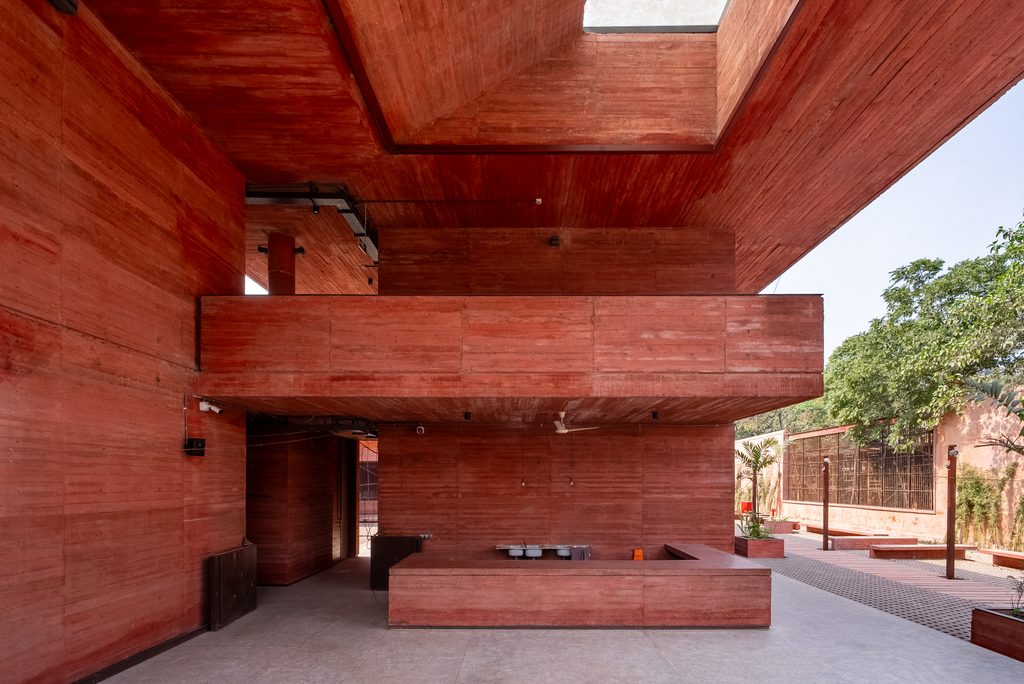
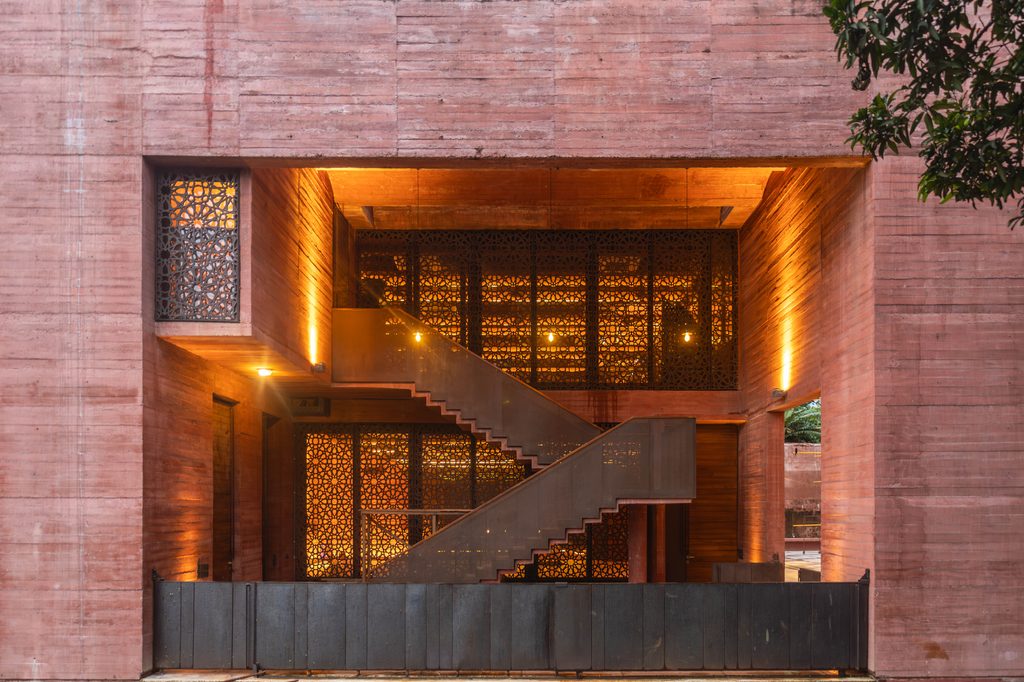
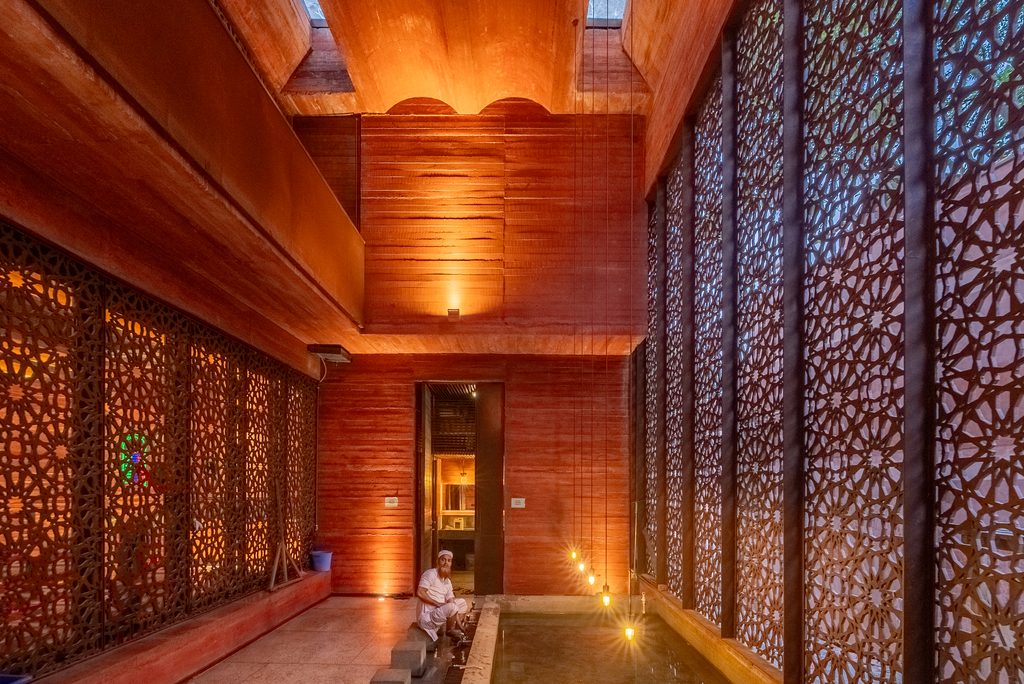
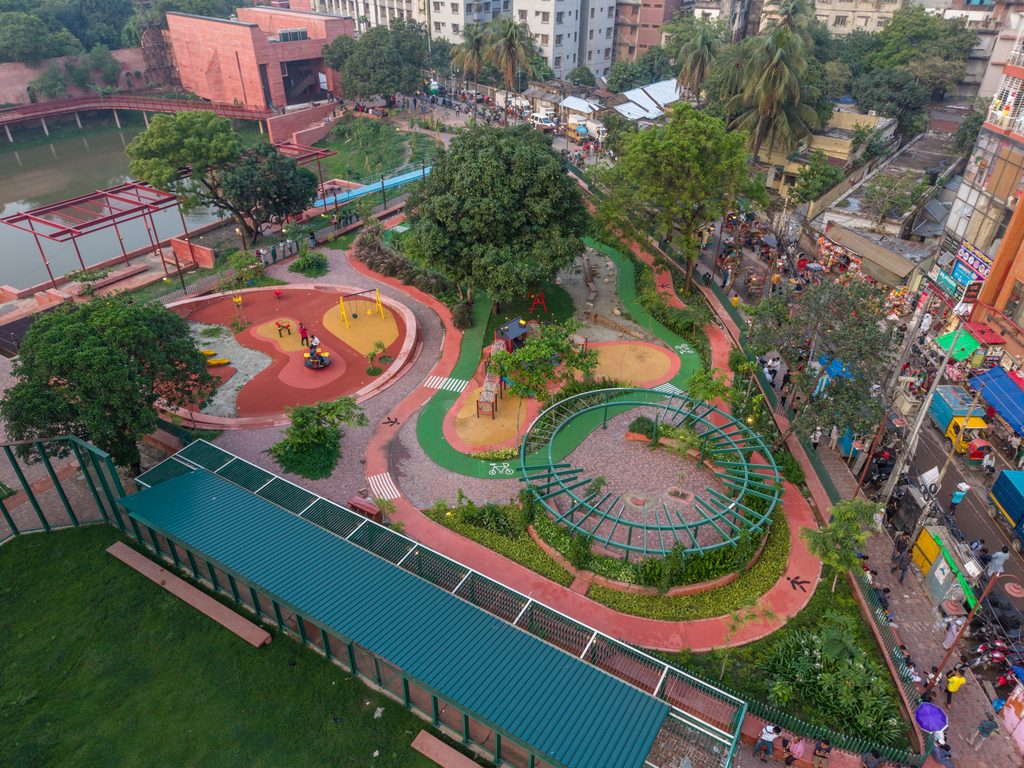
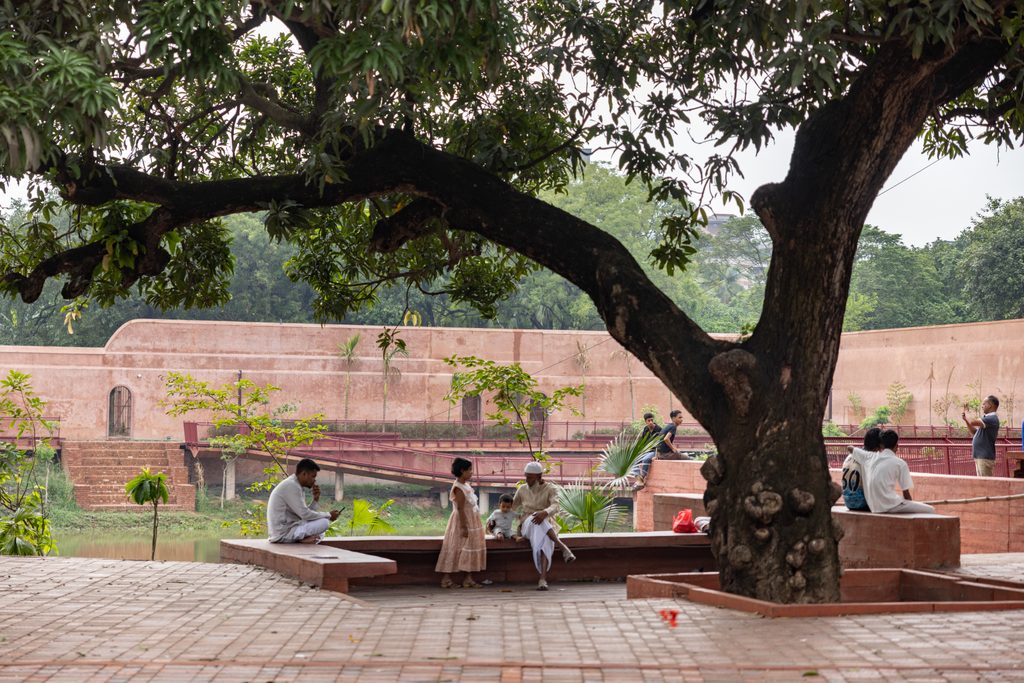
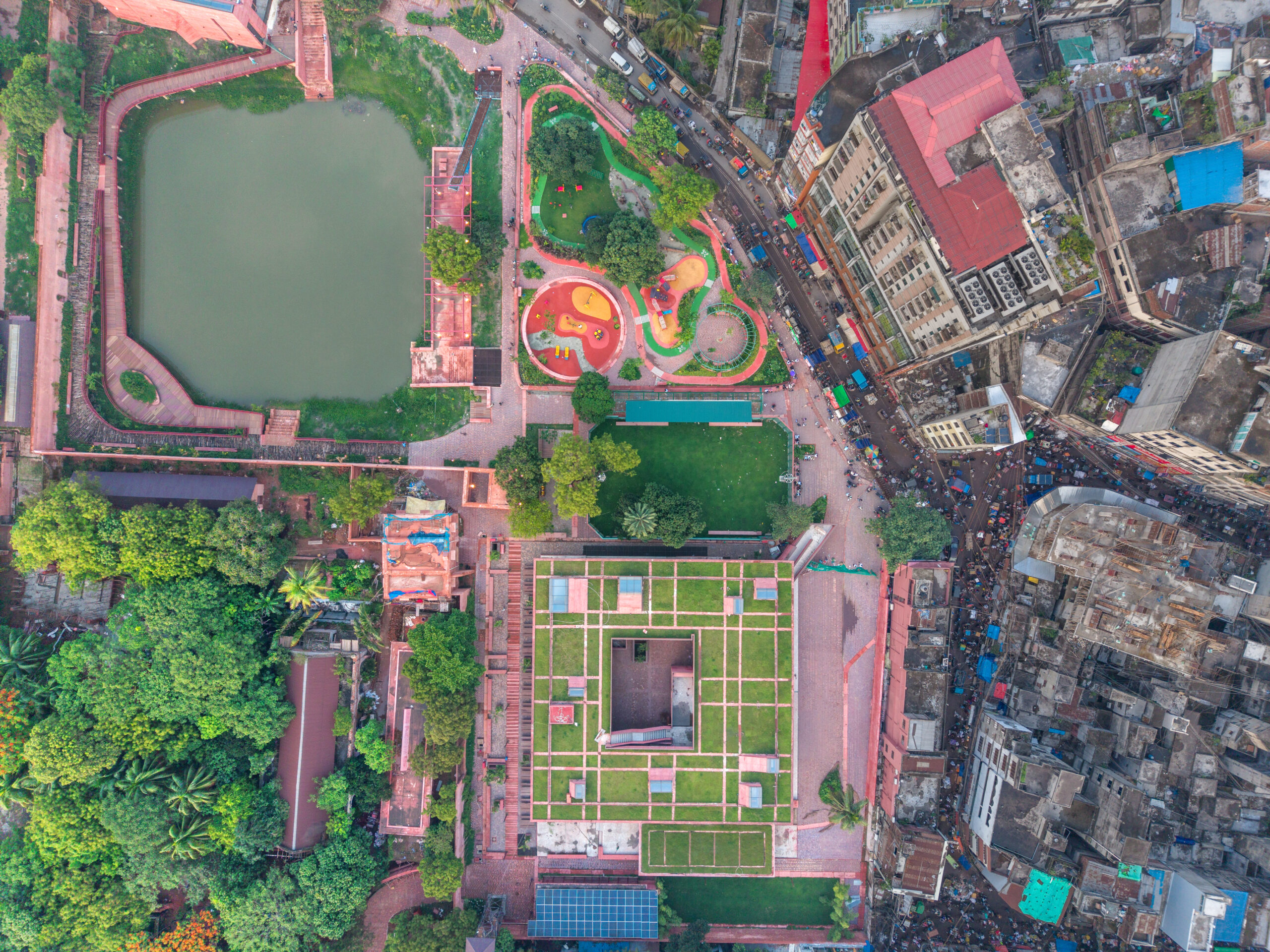
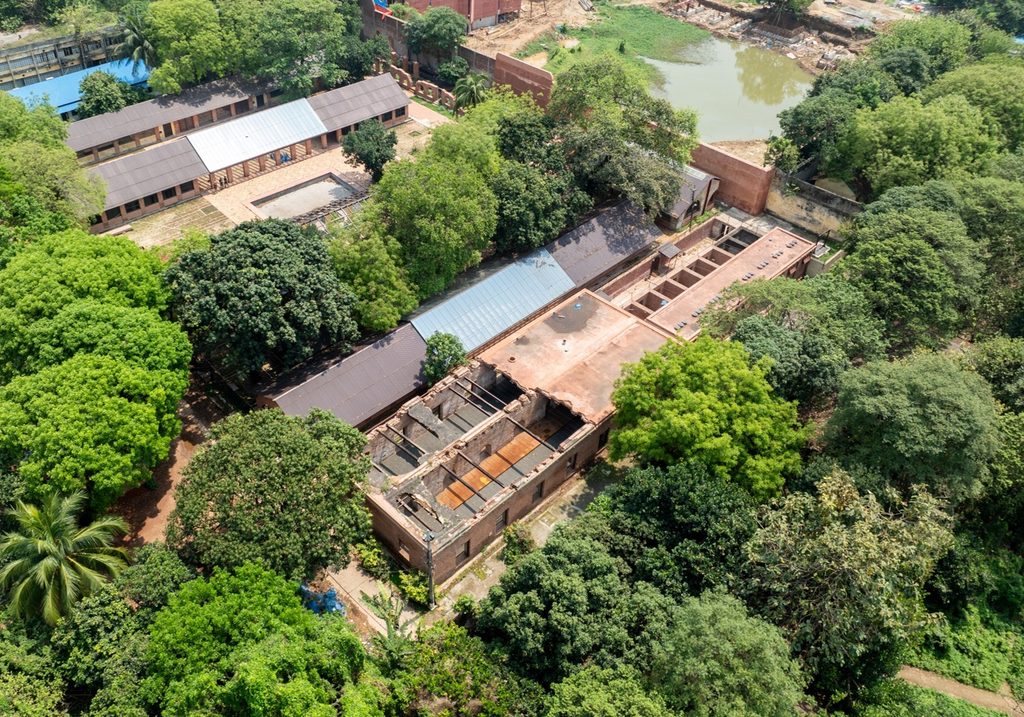
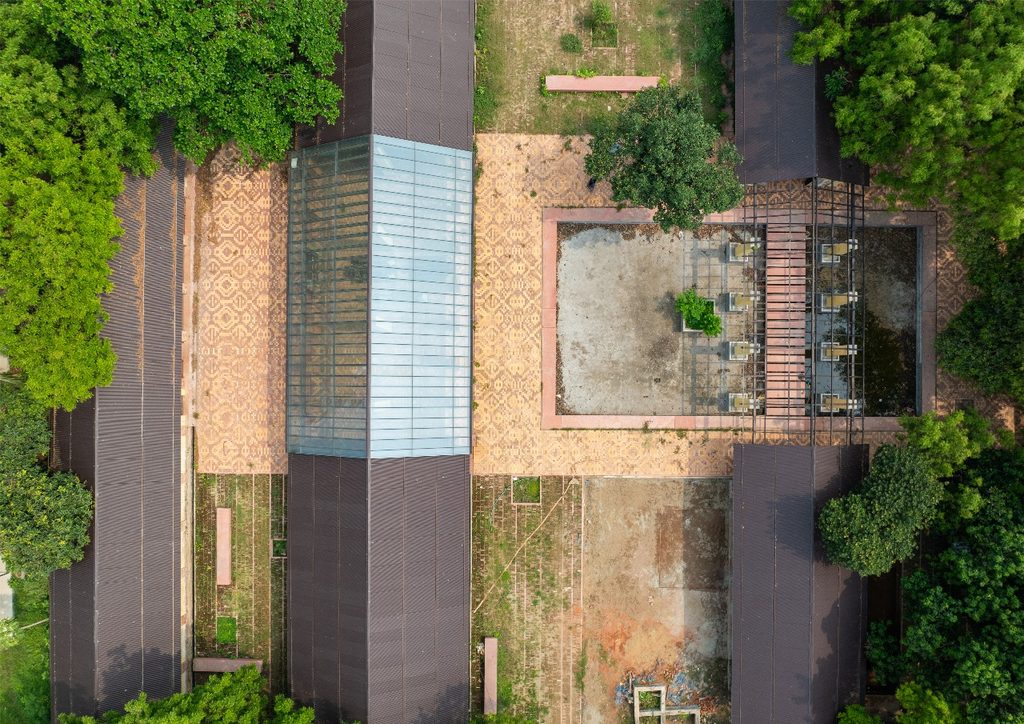
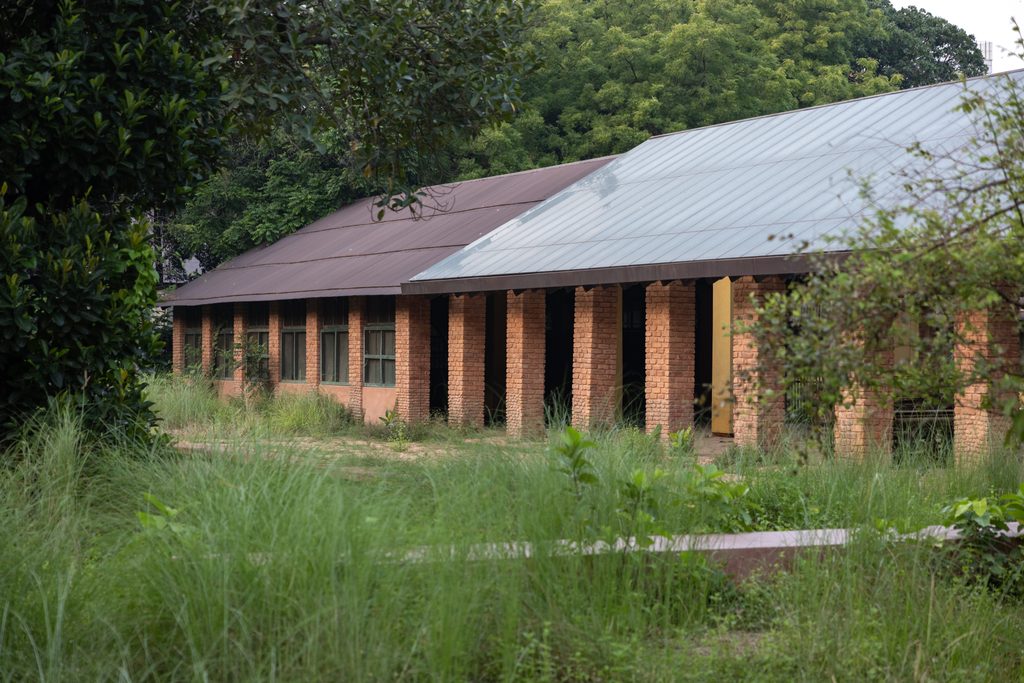
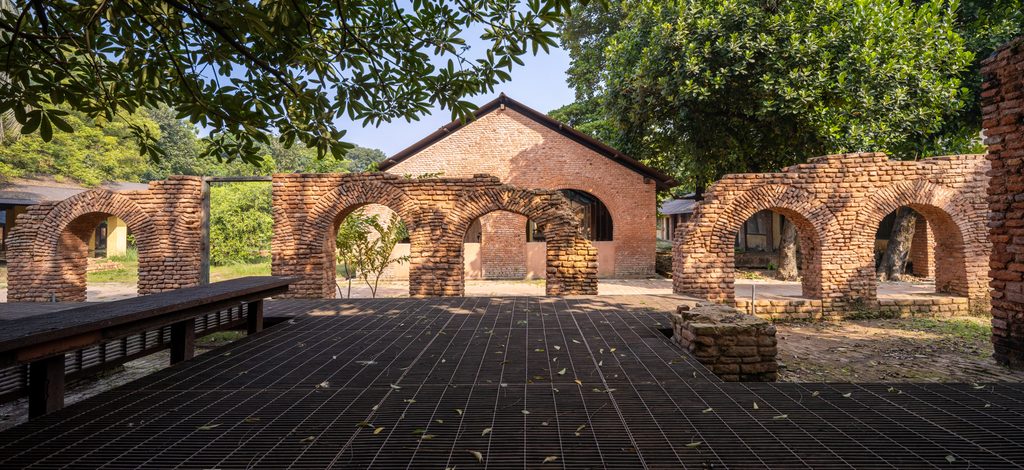
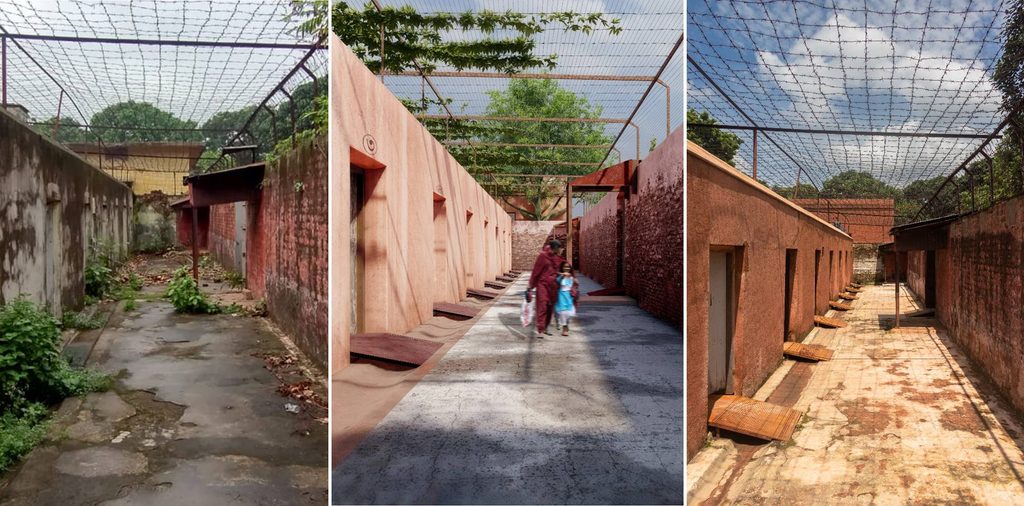
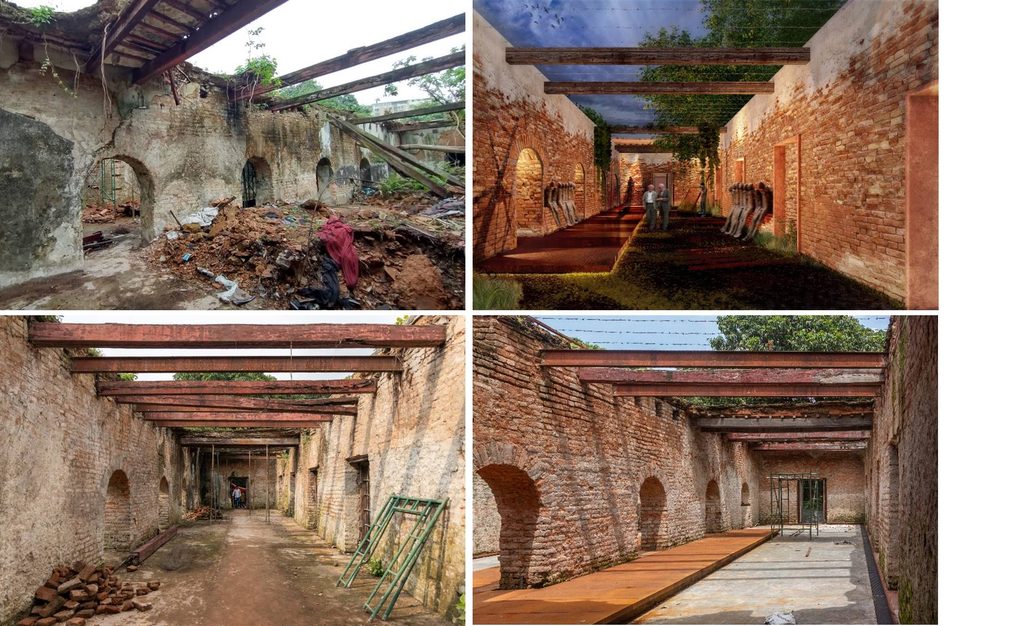
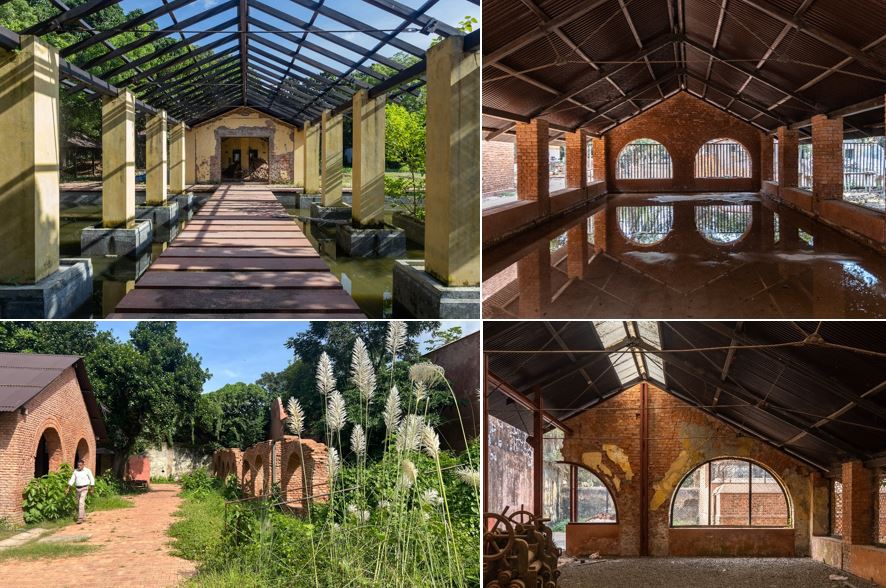
One of the primary design challenges was accommodating new public activities without compromising the authenticity of the historic fabric. This was addressed through a strategy of adaptive reuse, conserving 51 historically significant buildings and structures while introducing carefully integrated new interventions. Former prison buildings are repurposed as museums, libraries, galleries, and public institutions, allowing the site’s history to remain accessible through every day public engagement. New commercial and recreational facilities are positioned to complement, rather than dominate, the heritage precinct, ensuring a respectful dialogue between old and new.
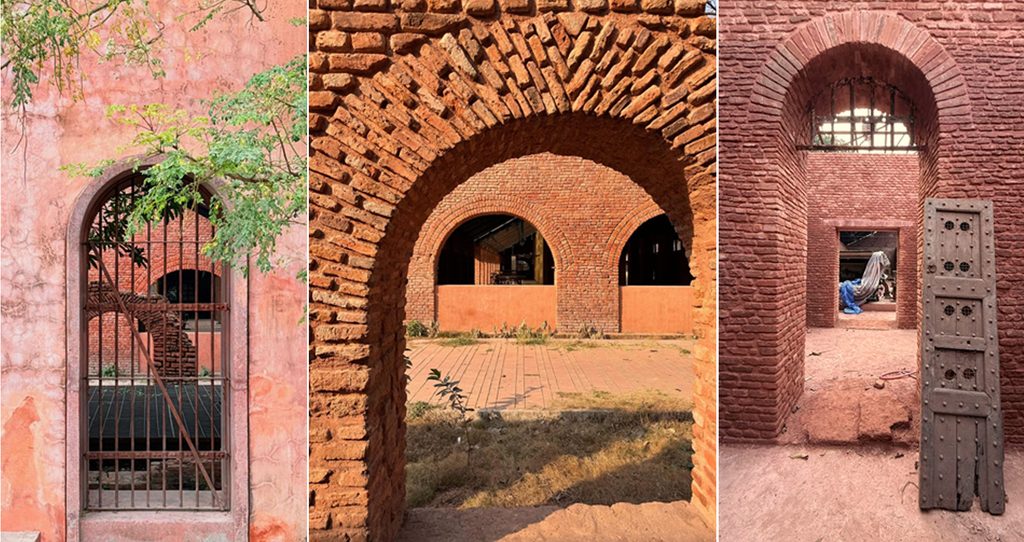
Material selection is rooted in the continuity of local craftsmanship and traditional construction practices. Restoration works reintroduce lime mortar plaster to ensure compatibility with the historic fabric while preserving its original texture and breathability. New interventions incorporate locally crafted cast-iron jalis (Mashrabia screens) and metal elements inspired by the site’s architectural language, creating a sensitive dialogue between heritage and contemporary design. The active involvement of local artisans further reinforces material authenticity and preserves traditional craftsmanship.
Environmental resilience forms an integral part of the design. Two historic water bodies are restored and complemented by three new water bodies to improve ecological performance and stormwater management. Conventional impervious paving is replaced with permeable surfaces to increase groundwater recharge, while bio-retention areas, rain gardens, and extensive native planting enhance biodiversity and improve the site’s microclimate. Together, these strategies transform the former prison compound into a resilient urban green lung that reconnects Old Dhaka with its ecological heritage.
By integrating heritage conservation, adaptive reuse, ecological restoration, and inclusive public space, the project demonstrates how historic sites can evolve to address contemporary urban challenges while preserving the cultural identity and collective memory of the city.
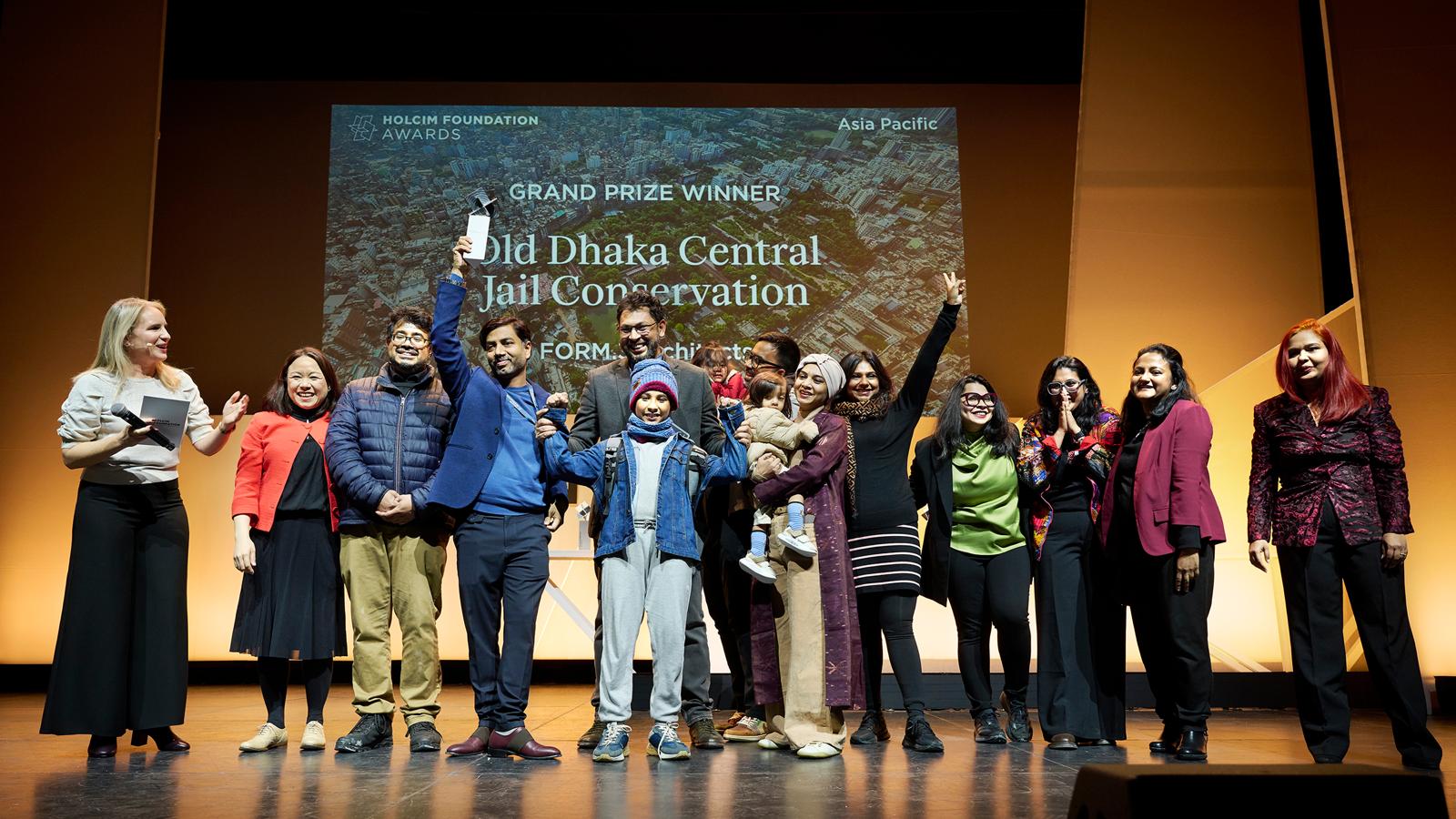
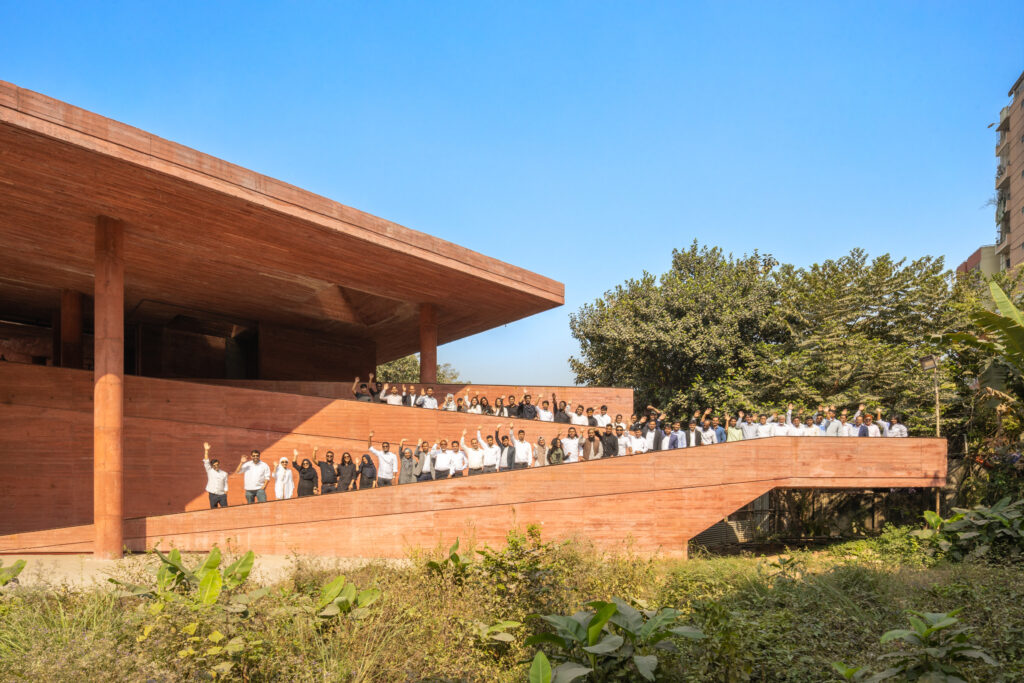
Architectural team & Collaborators:
The core team responsible for the research, design, and protection of the Old Dhaka Central Jail redevelopment is led by Md. Didarul Islam Bhuiyan, Principal Architect of FORM.3 architects, serving as the main author of the project. He is supported by key senior members including A.K.M. Muajjam Hossain, Abdur Rashid, Sabiha Sultana and other personnel.
As Urban Specialists: Md Tarek Morad, Arnob Thakur Roni, Antora Mohsena Haque
Conservation Specialists: Mahbubul Alam, Zakir Hossain Chowdhury, Abdur Razzaque Zamader, Enam Rabbi Adnan
As Landscape Consultant: Sharif A. Chowdhury, Anta S. Chowdhury, Manifa Rehnuma, Sakib Mortuza, Naheen Nuruddin, Saad Ben Mostofa
As Curation Team: Nazia Tarannum, Zannatul Fardous Nisa, Humaira Ahmed Tihi
As Visualization Team: Mehedi Amin, Mohammad Abrarul Arefin, Masum Billah Remon, Fardin Sayeed, A.N.M. Rafiul Hasan
As Documentation Team: City Syntax, Salarchman Studio, Mud Canvas
Project Engineers: Pankaj Kumer Halder, Md Khorshed Alam, Rafi Ahmed, Bulbul Islam, Sohel Rana, Md Monowar Hossain, Mokatadur Rahman Noyon, Md Riaz Uddin, Md Iftehar Rashid, Talha Ebne Hasan, Md Zafrul Hyder
MEP Consultant: Shams Engineering, SM Engineering Ltd., Falcon Engineering & Construction
ZONE A_Multipurpose Complex & Civic Amenities
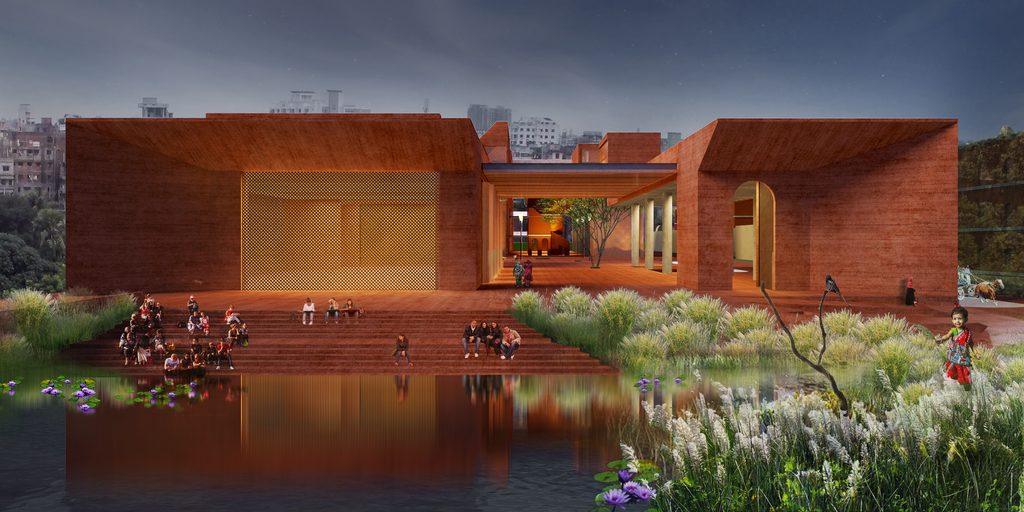
ZONE C_Conserved Area & Jail History Museum

Copyright © 2026 ArchBiz Magazine. All Rights Reserved.