

Short Profile / Biography

Nuzhat Shama is an architect by training and the founder of ProQ, a procurement platform built for Bangladesh’s construction and interior industry. After years of working across architecture, interior design, and real estate projects, she saw firsthand how much friction was built into construction procurement. That observation led her to build ProQ, a procurement platform built for the construction and interior sectors. Buyers and verified vendors can discover each other, request quotations, negotiate, and manage the full procurement process in one place. The platform helps buyers structure their BOQs, run quotation requests, negotiate prices, issue purchase orders, and track invoices and payments from a single dashboard, while giving vendors a direct line to buyers who are actively sourcing. Nuzhat continues to lead ProQ’s growth, guided closely by feedback from the architects, interior designers, and contractors the platform was built for.
The Story: Why Bangladesh’s Construction Industry Needed a Procurement Platform
A Procurement Marketplace, Built for the Way Bangladesh Actually Builds
Procurement is fragmented, repetitive, and frustrating.
This firsthand frustration became the starting point for ProQ.
As the idea took shape, Nuzhat began speaking with other architects and interior designers, and it quickly became clear the problem was not unique to her. Early to mid-career professionals across Dhaka described the same routine in different words: a request for quotation that should take an afternoon can turn into a week of phone calls, prices can shift between the initial conversation and the final order, and BOQs often have to be manually revised when vendor rates change halfway through.
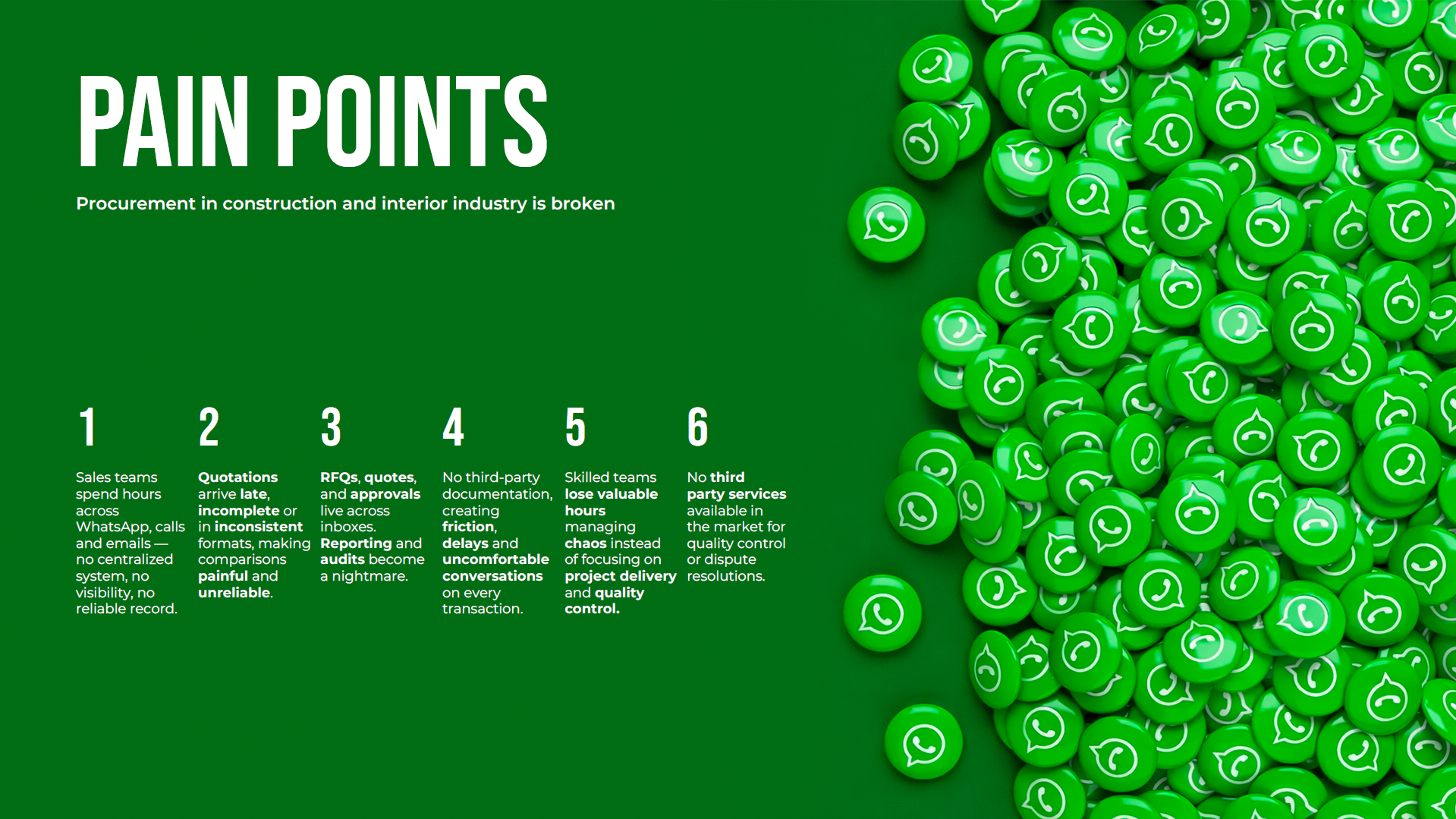
Those conversations, gathered through a series of structured buyer interviews, shaped how ProQ was built.
Ar. Shafaiet described spending entire days simply trying to reach vendors. “We are engaged with client meetings,” he said. “We don’t have the time to keep calling vendors, one after another, for every product on a BOQ.” Ar. Tawsif explained why so many professionals stay loyal to the same one or two suppliers even when better options exist elsewhere in the market. “Vendors we already know respond quickly,” he said. “New or unfamiliar ones often ask for money upfront before they’ll even send a sample, so we end up sticking with suppliers we’ve built relationships with over years, even when it limits our options.”
You can create the most beautiful render, but bringing that vision to life ultimately depends on what the market can actually supply. Ar. Sindis described a compromise on a recent flush door order: “We recently needed a specific flush door, but our usual vendors only carried a few brands. We had to compromise on the design because our options were limited.”
Timelines were a recurring theme as well. Ar. Farhad, while working on residential projects, explained that a detailed BOQ covering structural, finishing, plumbing, and electrical work alone can take two to three weeks to put together. “A lot of what we know about pricing and vendors only exists in scattered personal notes,” he added, notes that are useful but slow to retrieve when a project needs answers fast.
These findings pointed to the same conclusion. Bangladesh’s construction and interior industry is not short on skilled professionals, reliable vendors, or ambitious projects. What it has been missing is a shared system: a place where quotations, specifications, and agreements are documented rather than remembered, and where buyers can discover vendors beyond the handful they already know and trust.
ProQ was built to be that system, giving buyers and vendors a structured, transparent way to work together from the first quotation to the final payment. The platform’s growth is shaped closely by the same kind of buyer feedback that got it started.
What ProQ Is, and How It Works
What is ProQ?
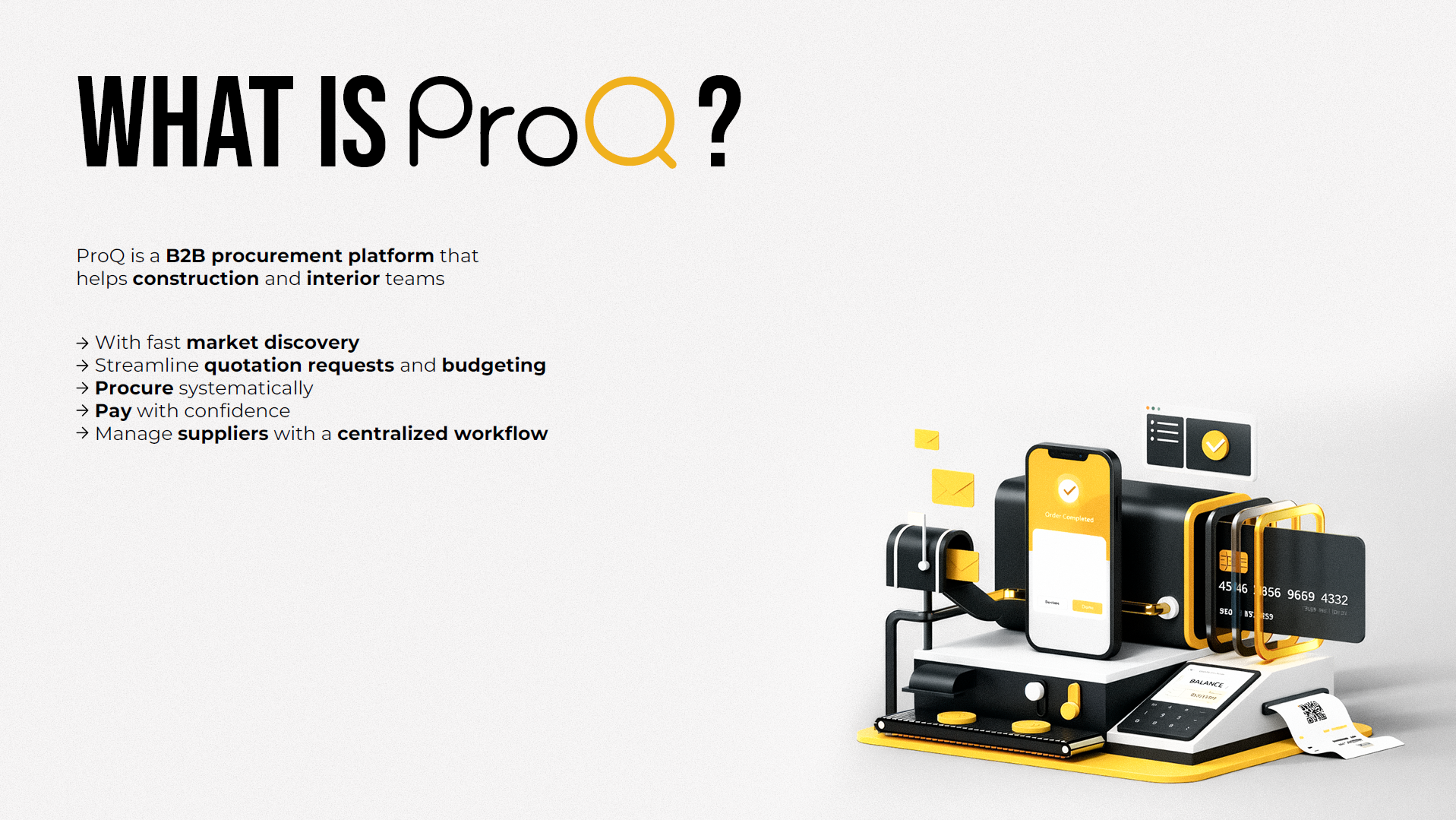
ProQ is essentially a procurement marketplace with an ERP-like workflow, bringing automated BOQs, quotation requests, comparisons, negotiations, purchase orders, invoices, and payments into a single platform. ProQ wants to replace scattered calls, WhatsApp threads, and spreadsheets with a streamlined workflow for a professional or end consumer. Moreover, the construction industry operates heavily on relationships. ProQ is trying to make those relationships more searchable, transparent, and scalable.
Who ProQ is for
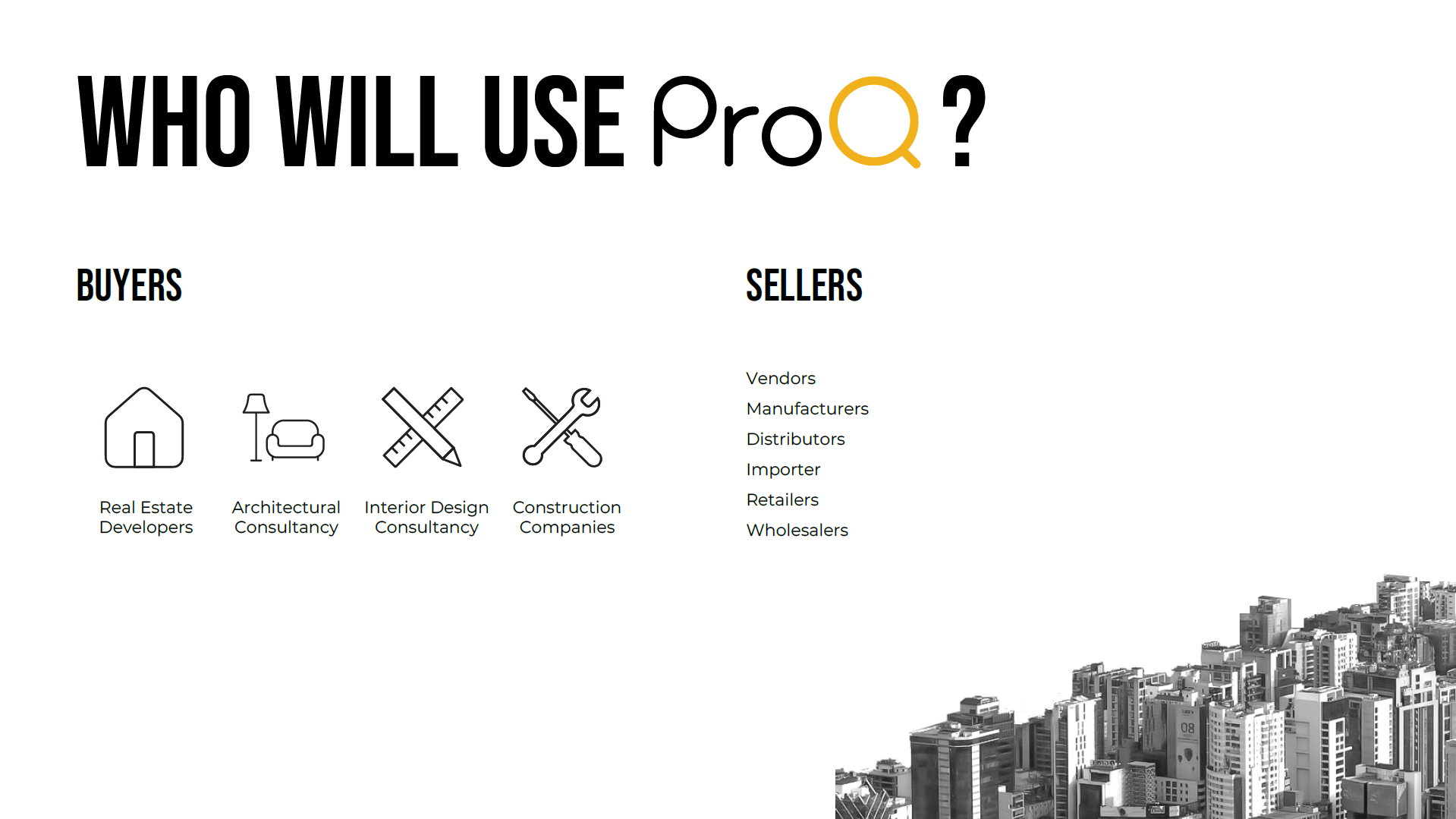
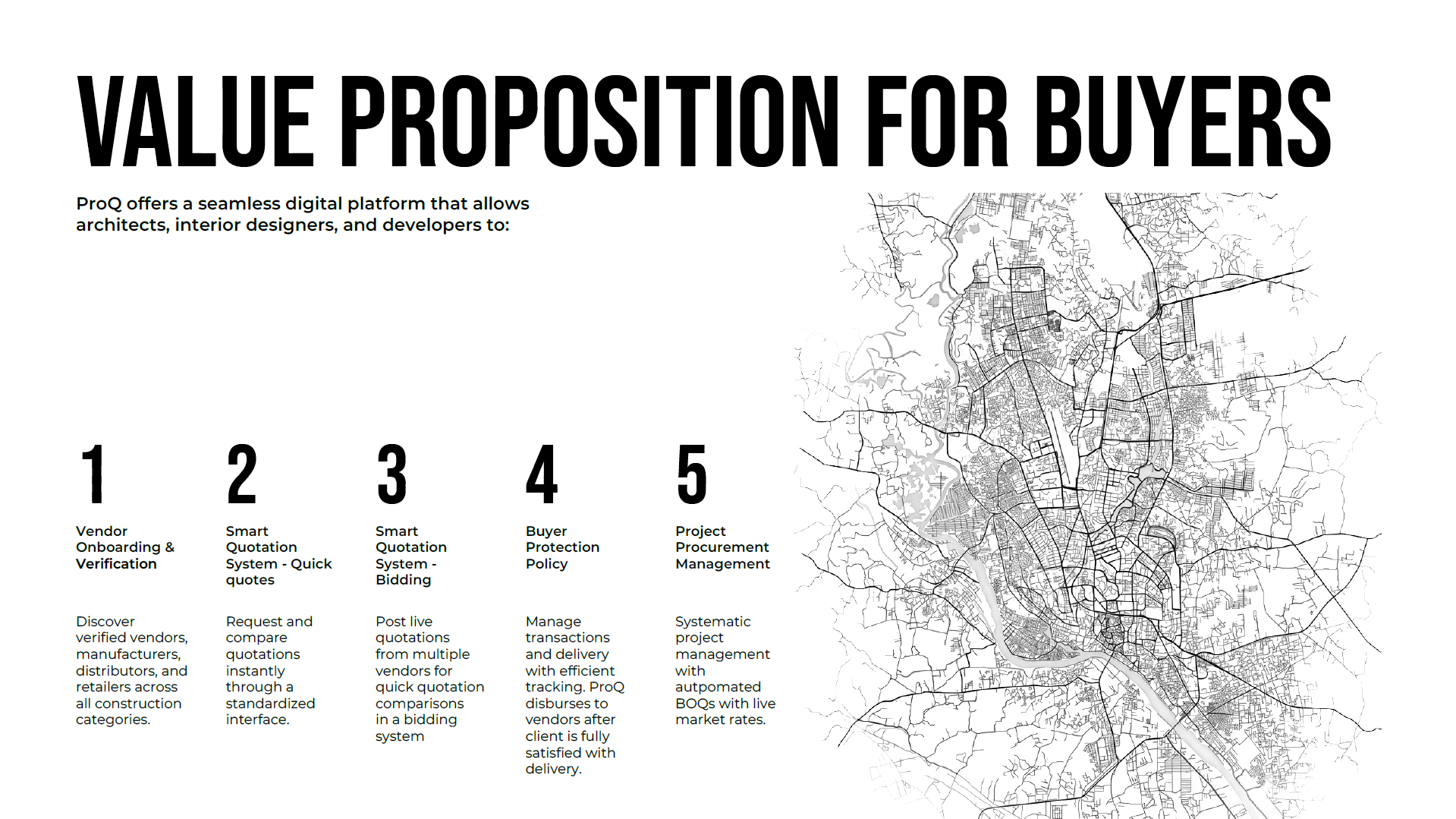
Buyers include real estate developers, architectural consultancies, interior design consultancies, and construction companies who are sourcing materials for active projects.
Vendors include manufacturers, distributors, importers, retailers, and wholesalers supplying construction and interior products, from boards, laminates, and tiles to lighting, hardware, and sanitary fittings.
How it works
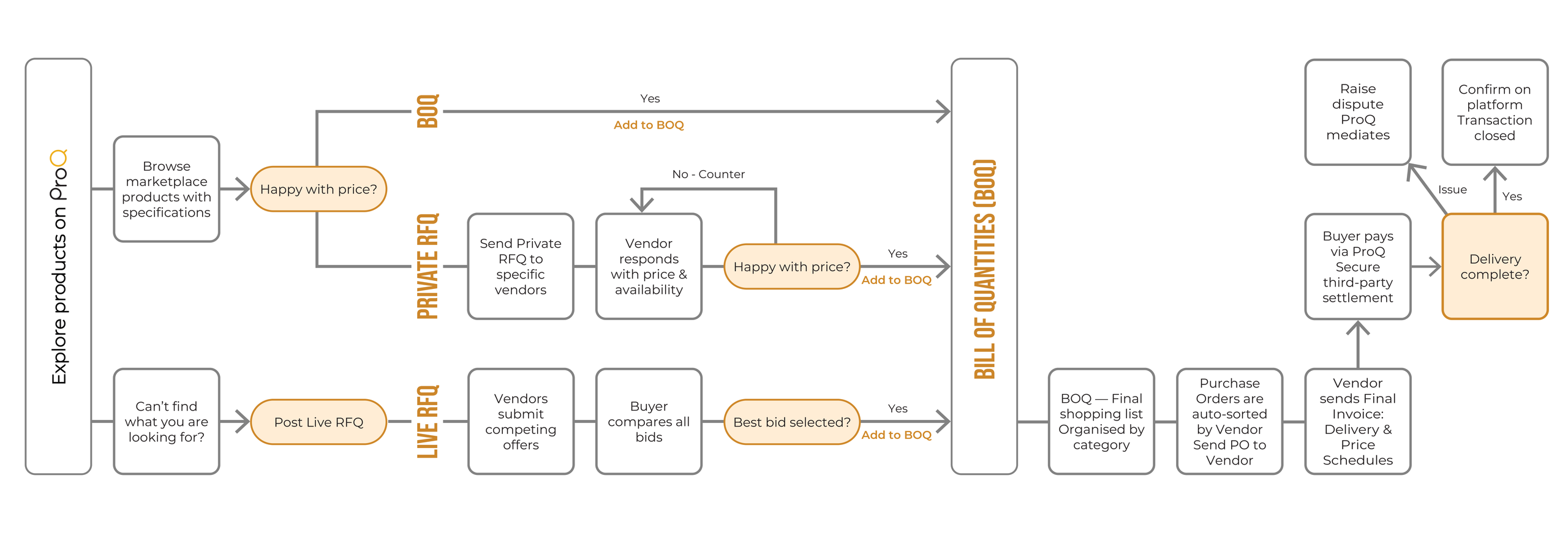
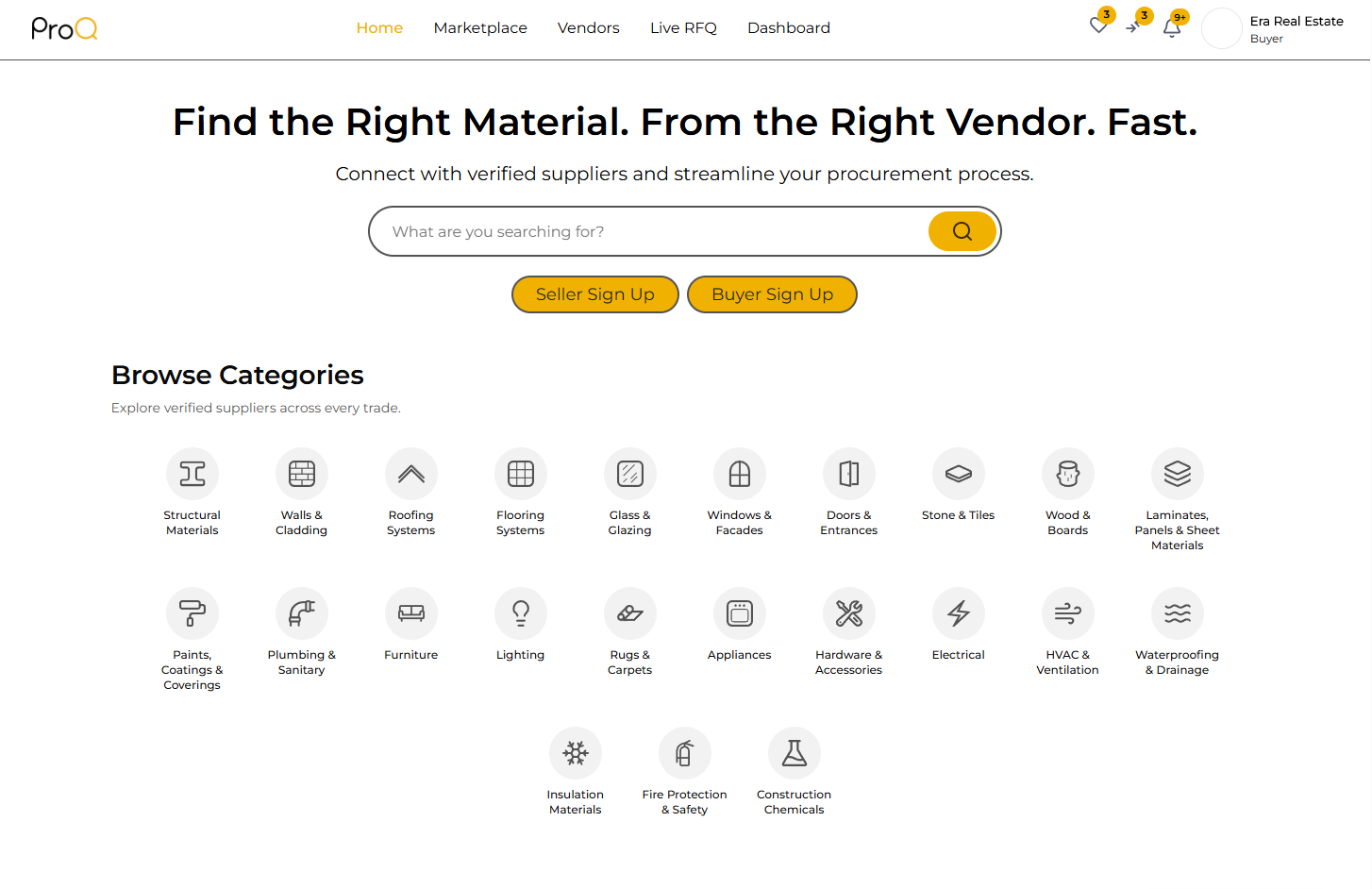
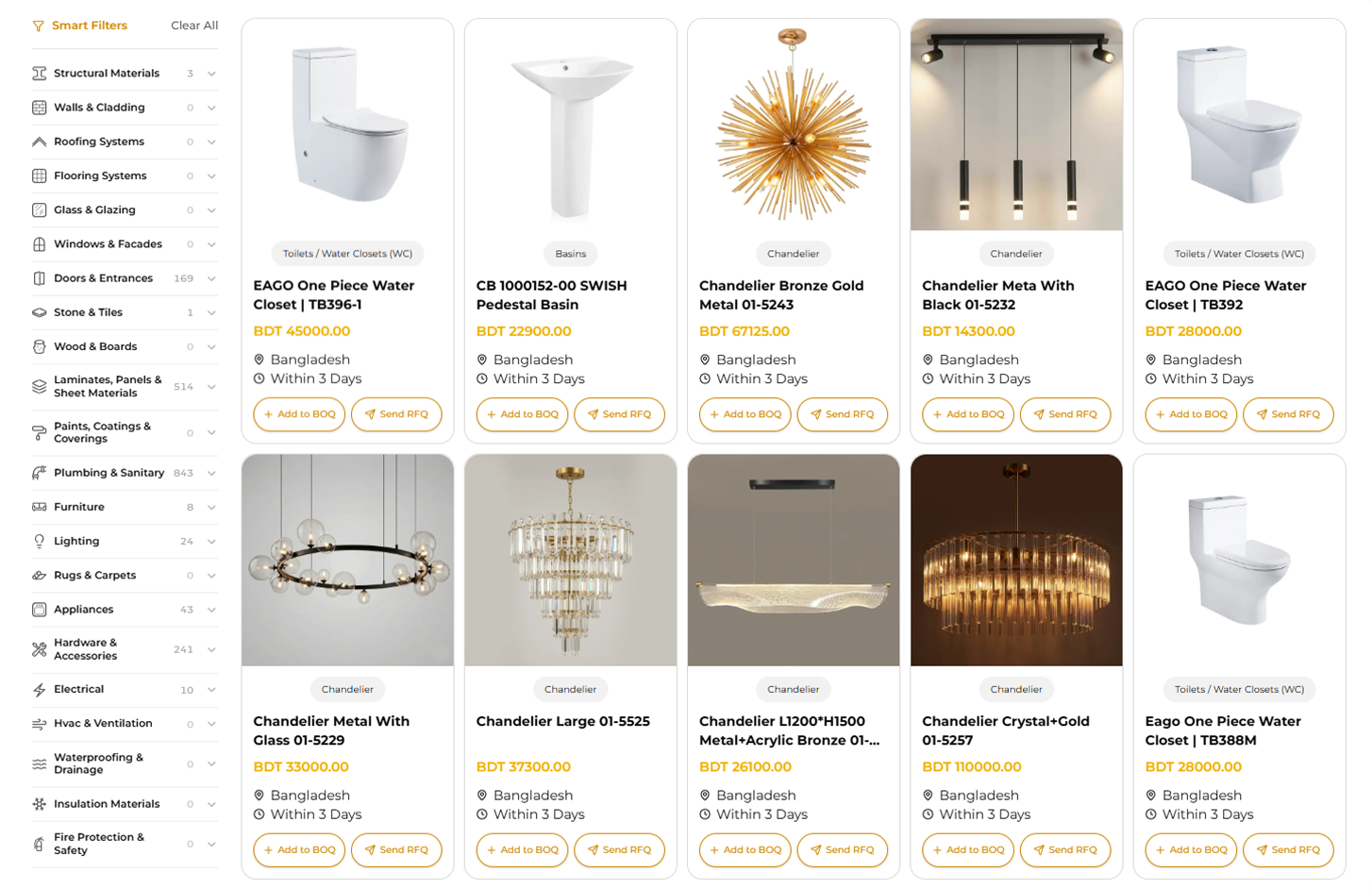
Buyers begin by browsing a marketplace of vendors, manufacturers, distributors, and retailers across construction and interior categories, all verified before they are allowed onto the platform.
If a buyer wants to negotiate on specific products, they can send multiple Private RFQs (Request for Quotation) to multiple vendors and receive price offers based on quantity. If they are sourcing a product they have never procured before, they can instead post a Live RFQ (Request for Quotation) and receive offers from vendors they may not have found on their own.
Once a price is agreed, it is added directly to the buyer’s Bill of Quantities, with the items organized automatically rather than manually. Purchase orders are then generated from the finalized BOQ and organized by vendor, ready to be sent to place the orders.
Payment follows the same structured process. ProQ holds funds securely as a third party until delivery is confirmed. If a buyer has an issue with what arrives, they can withhold payment within their delivery inspection window and raise a dispute, allowing ProQ to step in and help resolve the issue before the order is closed. Every quotation, revision, purchase order, and invoice remains documented in one place, giving both buyers and vendors a clear record throughout the transaction.
Where it stands
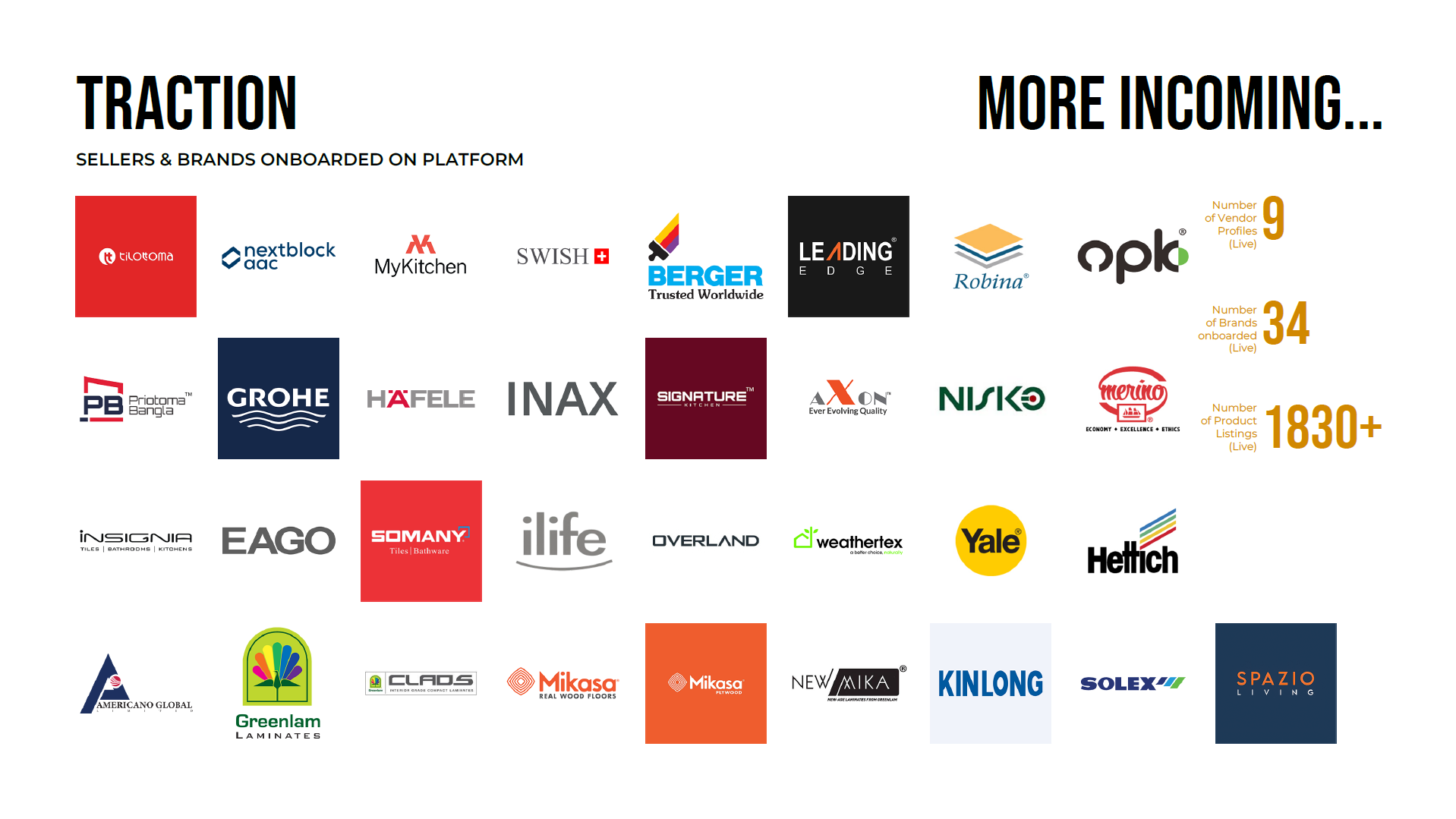
ProQ is live today. Buyers can already browse products, send RFQs, negotiate with vendors, build BOQs, and place orders through the platform. Established manufacturers and distributors have already joined as vendors, and onboarding remains open to businesses across Bangladesh’s construction and interior supply chain.
Ar. Tanya Karim of Tanya Karim N. R. Khan & Associates, one of the senior voices consulted during ProQ’s early development, framed the opportunity in a single line: “Time is of the essence.”
Her feedback centered on how much of an architect’s time procurement quietly absorbs. “Today, architects are doing their own BOQs, and this detracts from their core design work,” she said. A platform like ProQ, she noted, “could supplement our professional output and streamline our workflow,” making the vendor selection process “significantly easier.”
ProQ Is Inviting Vendors to Join
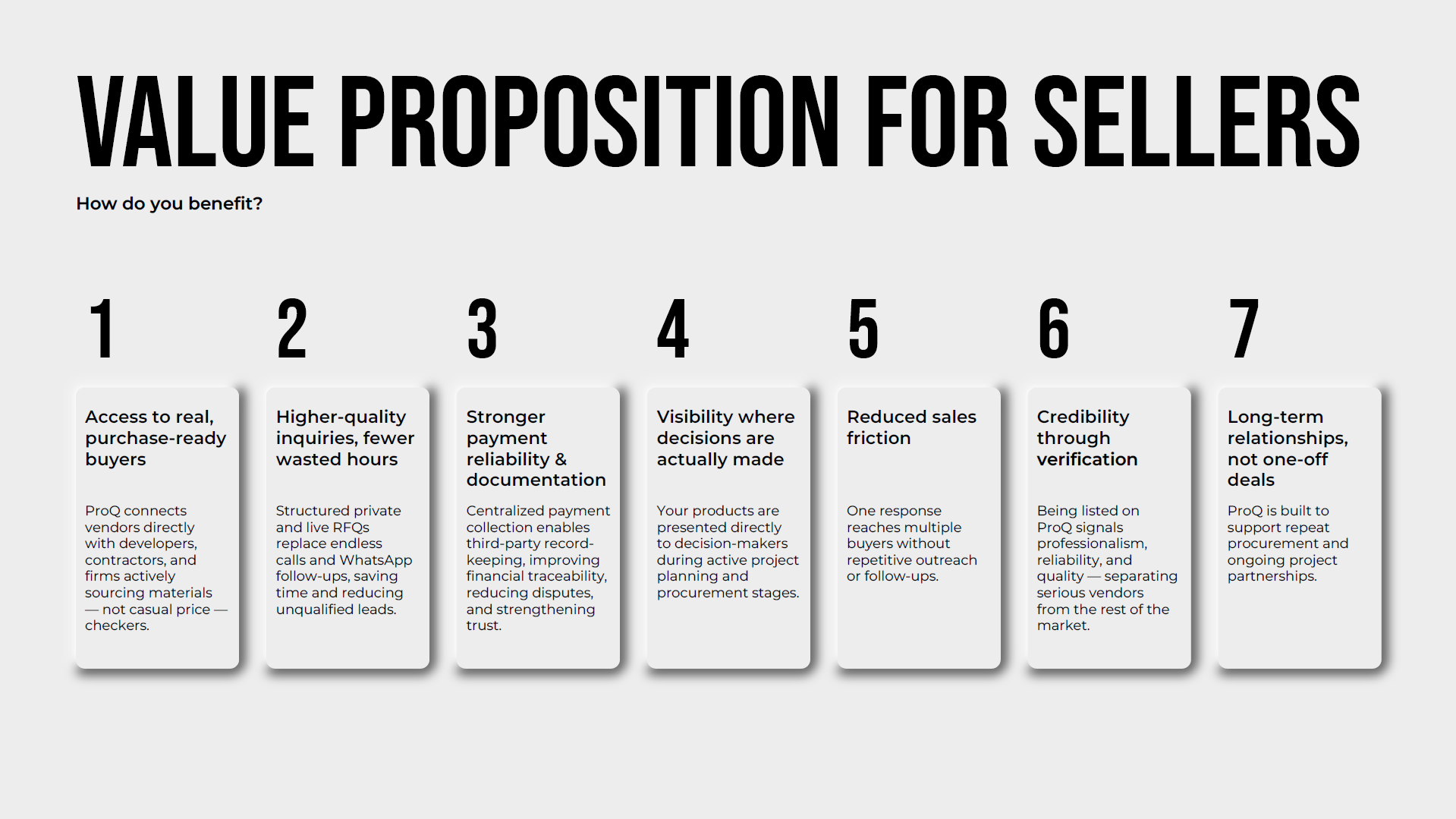
ProQ’s buyer base, architects, interior designers, developers, and construction companies, is actively sourcing materials on the platform today. For vendors, the platform offers a way to showcase their products to buyers who are already sourcing for active projects, while giving them a structured channel for quotations, purchase orders, and payments
ProQ can be found online at www.proq.com.bd
Facebook at facebook.com/proq.bd
Instagram at instagram.com/proq.bd
LinkedIn at linkedin.com/company/proq-platform.
Business inquiries can be directed to +8801319005566.
Copyright © 2026 ArchBiz Magazine. All Rights Reserved.