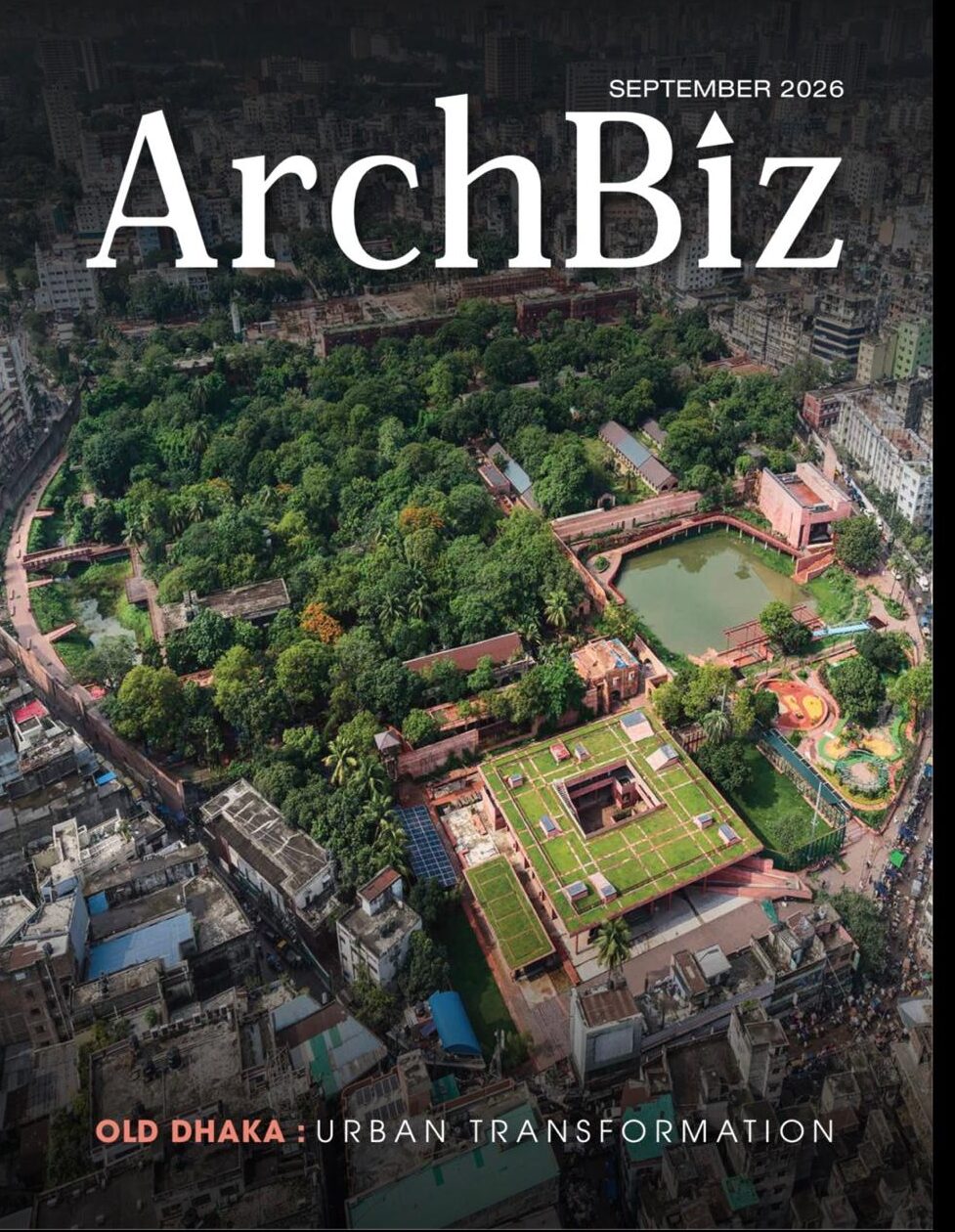


"It was the kind of place where most people would have pinched their noses and walked away. But I looked at it and thought, 'This is exactly why this project matters.' We must be able to transform this dumping ground into a park for the people."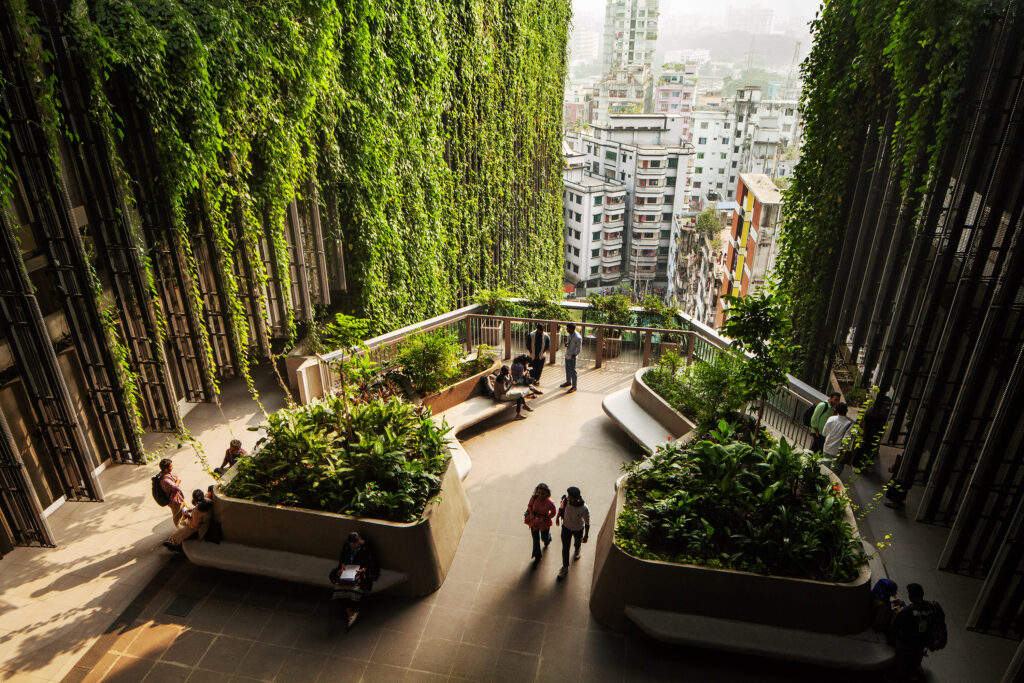
At BRAC University, that instinctive response is now ingrained in the space. What was once a polluted, landlocked site has unfolded into a porous civic landscape, one that offers relief not only to those who study here, but also to the surrounding neighbourhood. The campus breathes. Air moves freely through shaded corridors and open terraces, students linger on bridges and breezeways, and everyday life spills gently between inside and outside. This is not architecture as monument or spectacle. It is architecture as repair, social and environmental infrastructure shaped by climate, people, and care.
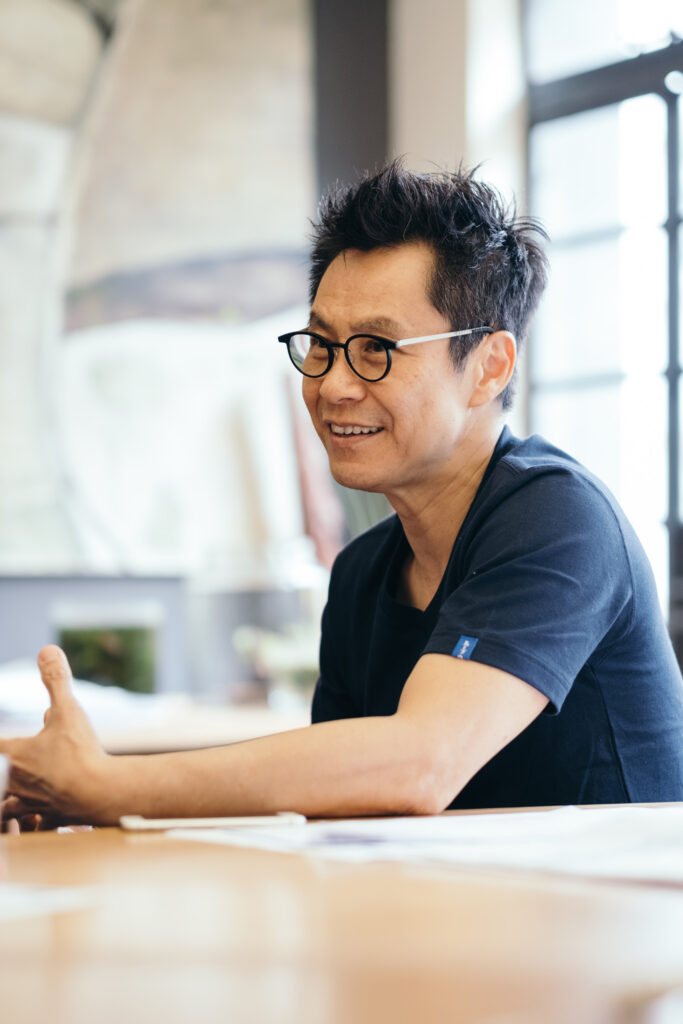
The practice behind this quietly radical transformation is WOHA, a Singapore-based firm that for more than three decades has been rethinking what buildings can give back to the city. Founded in 1994 by Wong Mun Summ and Richard Hassell, WOHA emerged from an understanding that architecture was never simply a profession, but a lifelong inclination. When asked what first drew him to architecture, Wong does not frame it as a conscious decision so much as a quiet certainty.
“As far as I can remember, it was something I always wanted to do,” he says.
Buildings fascinated him from a young age, and architecture felt less like a career choice than a natural continuation of that early curiosity. Before establishing their own practice, Wong spent five formative years at Kerry Hill Architects. Reflecting on that period during the interview, he describes it as both expansive and limiting. The work involved extensive travel across South Asia and as far as Turkey, largely centred on hospitality projects and overseas commissions. While professionally enriching, it gradually created a distance from the everyday realities of city life.
“I felt the need to return to Singapore and do something more grounded,” Wong recalls when asked why he eventually left. What he wanted instead were community projects, housing, and public spaces. That desire to engage architecture at a civic scale ultimately led to the founding of WOHA, marking a deliberate shift away from isolated objects toward socially embedded buildings.
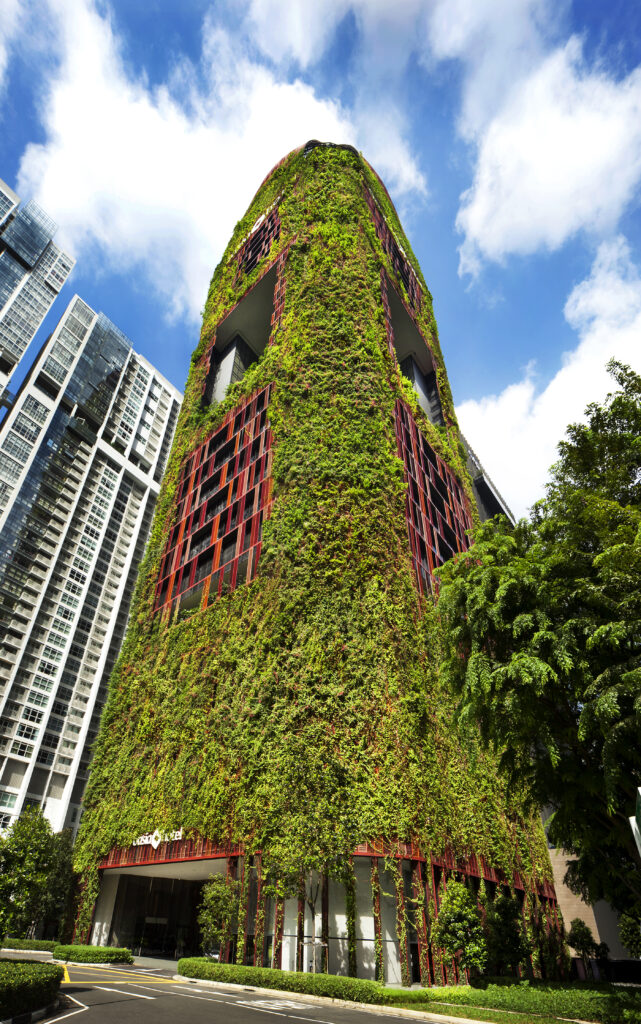
WOHA’s environmental approach, Wong is careful to point out, was never a reaction to contemporary trends. When asked how the oil crisis influenced the practice, he traces these values back to architectural education in the 1980s. Environmental science, he explains, was central at the time. Students were trained to prioritise low-energy strategies, climate-responsive design, orientation, and sun shading as fundamental principles rather than optional features. “These ideas grounded us deeply,” he says, adding that the practice has simply continued to design in this way ever since.
Over time, that grounding evolved into the system-based thinking for which WOHA is now widely known. When asked how the practice developed its use of ratios and indexes, Wong clarifies that early projects relied more on instinctive environmental awareness than formal measurement. The shift came around 2010, when the practice began working on Garden
City, Mega City. By then, the climate crisis had become undeniable, and the built environment was failing to respond at the necessary scale. The indexes, Wong explains, were developed to move architectural evaluation away from profit-driven metrics and toward community value and civic good. They were intended not only to assess individual buildings, but to act as tools capable of influencing districts and cities. From that point onward, WOHA began systematically measuring all its projects through these indexes, embedding accountability directly into design decisions.
The ideas that shaped WOHA’s buildings began to travel gradually, moving beyond Singapore and into other cities, other systems, other ways of thinking. In Taichung, Taiwan, conversations with universities, public authorities, and developers slowly translated into new regulations that encouraged greener buildings, changes that would later ripple across the country. After the publication of Garden City, Mega City, those same ideas carried WOHA to London, where discussions with the city turned toward green floors, public space, and architecture’s role in cultivating civic life. In Brisbane, the dialogue continues, as developers begin to adopt WOHA’s indexes as a language for urban value, signalling a growing willingness to measure cities not only by what they produce, but by what they give back.
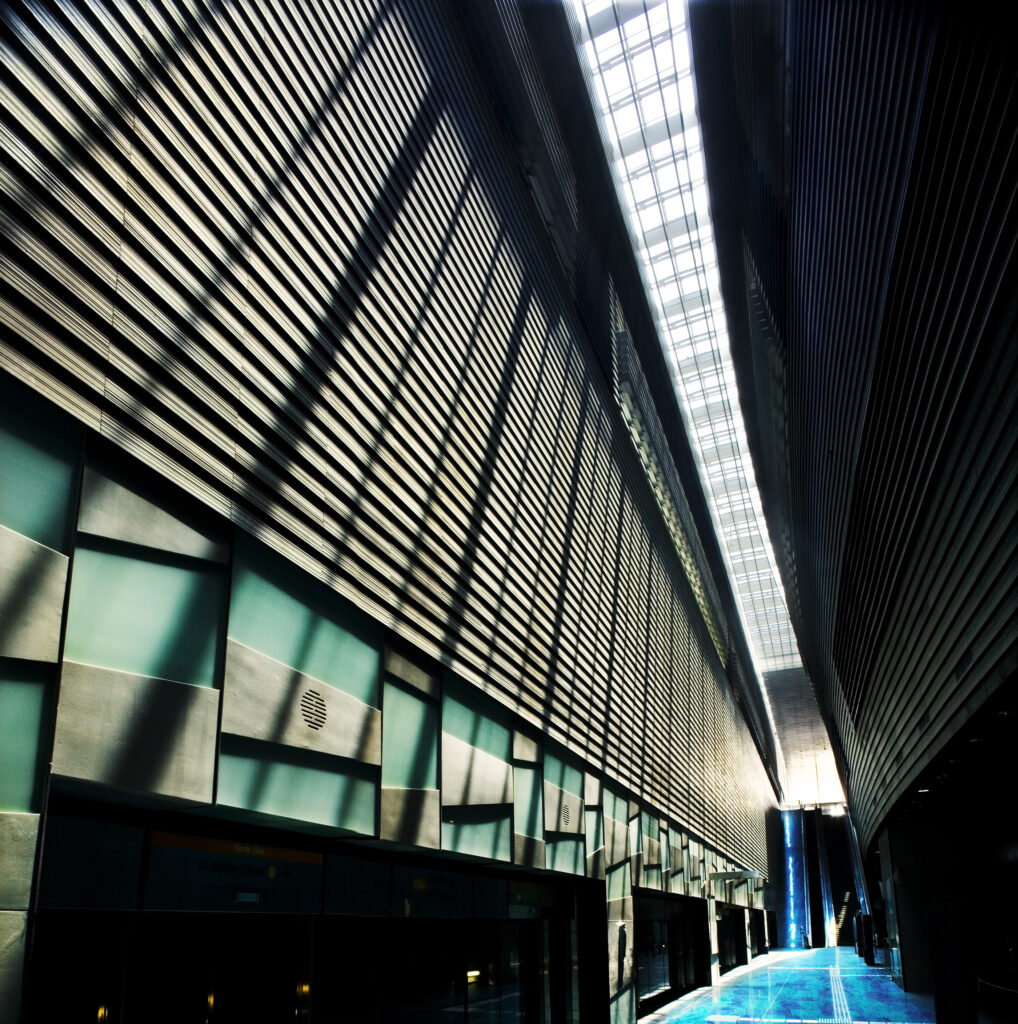
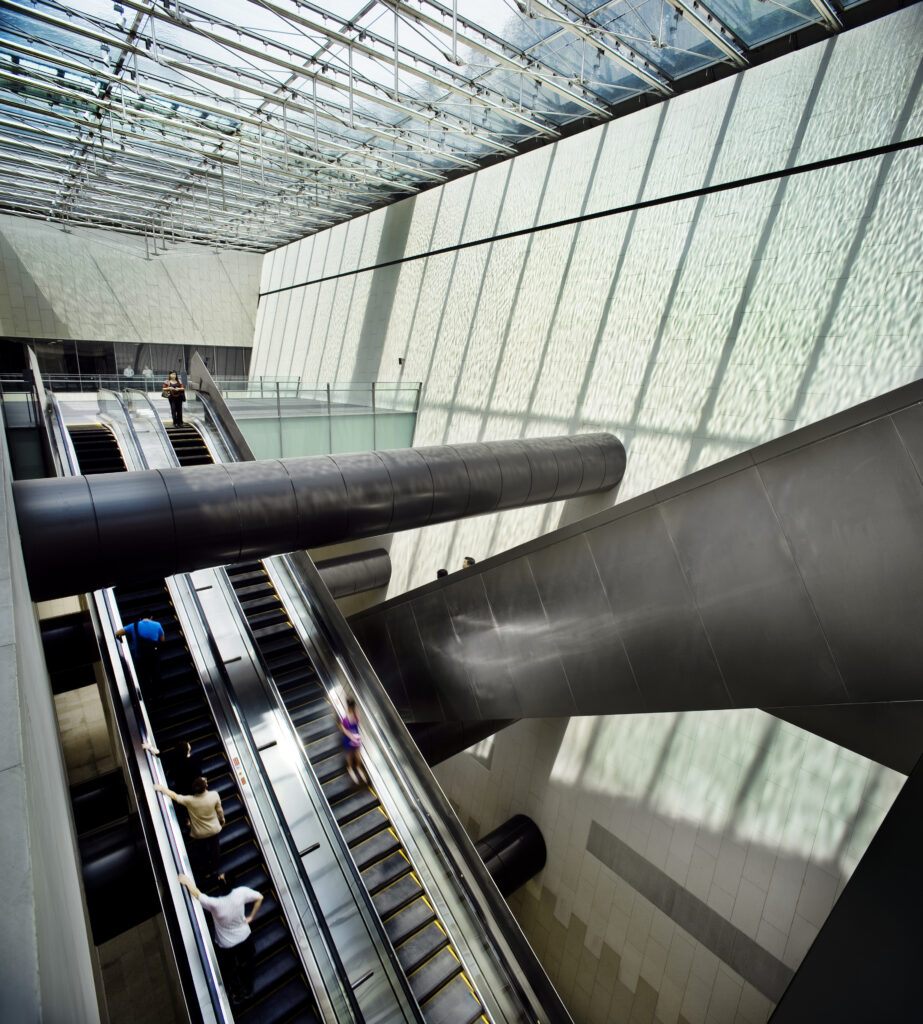
Yet for Wong, philosophy is always tested through built work. When asked about the MRT stations that helped establish WOHA’s reputation, he recalls that around 2000, just five years after founding the practice, the studio decided it had done enough private housing. Two anonymous international competitions for MRT stations in Singapore offered an entry point into public infrastructure. Winning both came as a surprise to authorities, who hesitated upon realising how young the practice was. Ultimately, the projects proceeded, and today both stations are widely regarded as benchmarks of public architecture in Singapore.
Wong notes that the same principles guiding civic and institutional projects also operate in highly commercial contexts. “Hotels may be commercial, but they compete with one another,” he explains. “A hotel needs a reason for guests to choose it over another.” Hotels such as Parkroyal Collection Pickering and Oasia Hotel Downtown demonstrate how environmental generosity can coexist with commercial logic. In both cases, clients quickly understood that nature, openness, and a strong identity offered a competitive advantage. Strategic decisions, such as eliminating basements in favour of naturally ventilated spaces, allowed resources to be redirected toward sky gardens and living façades without exceeding budgets.
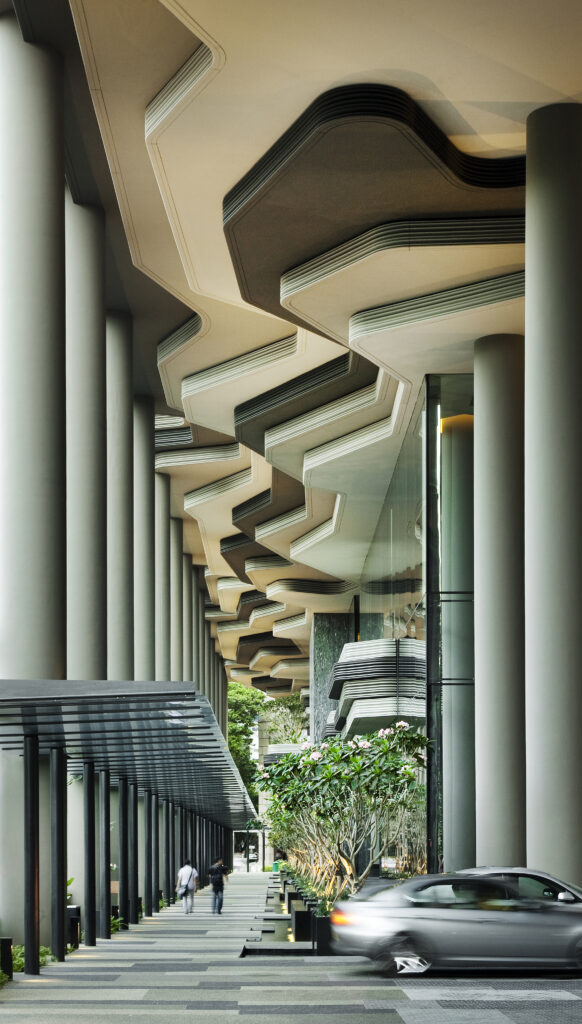
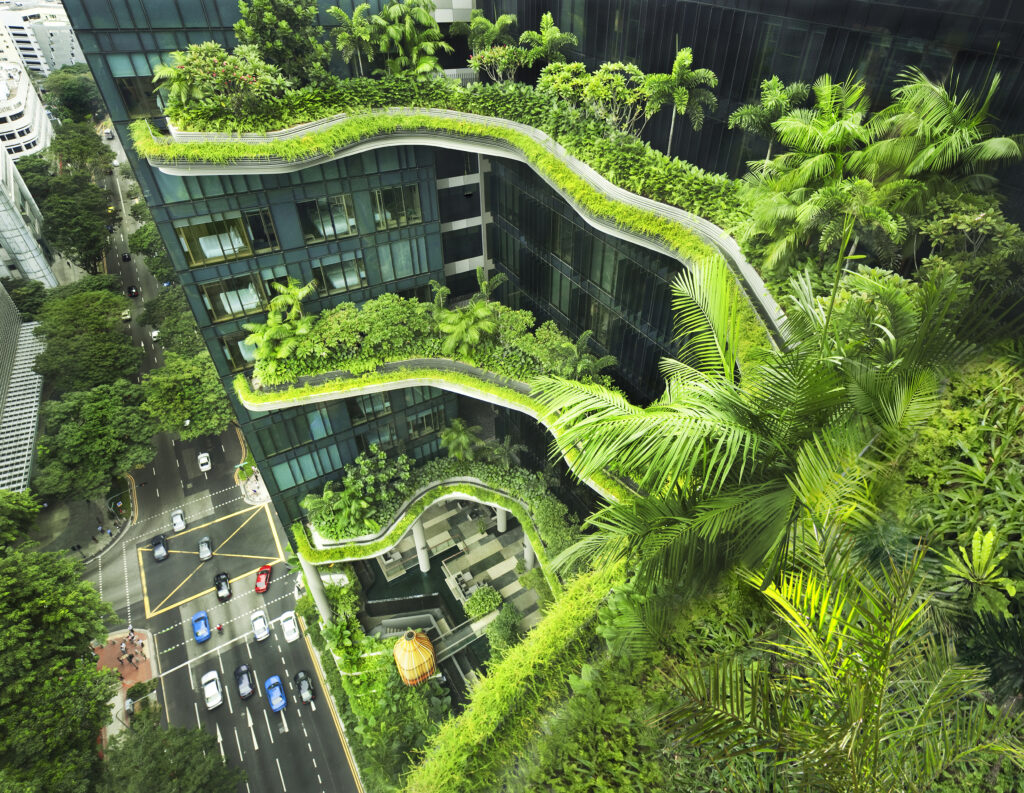
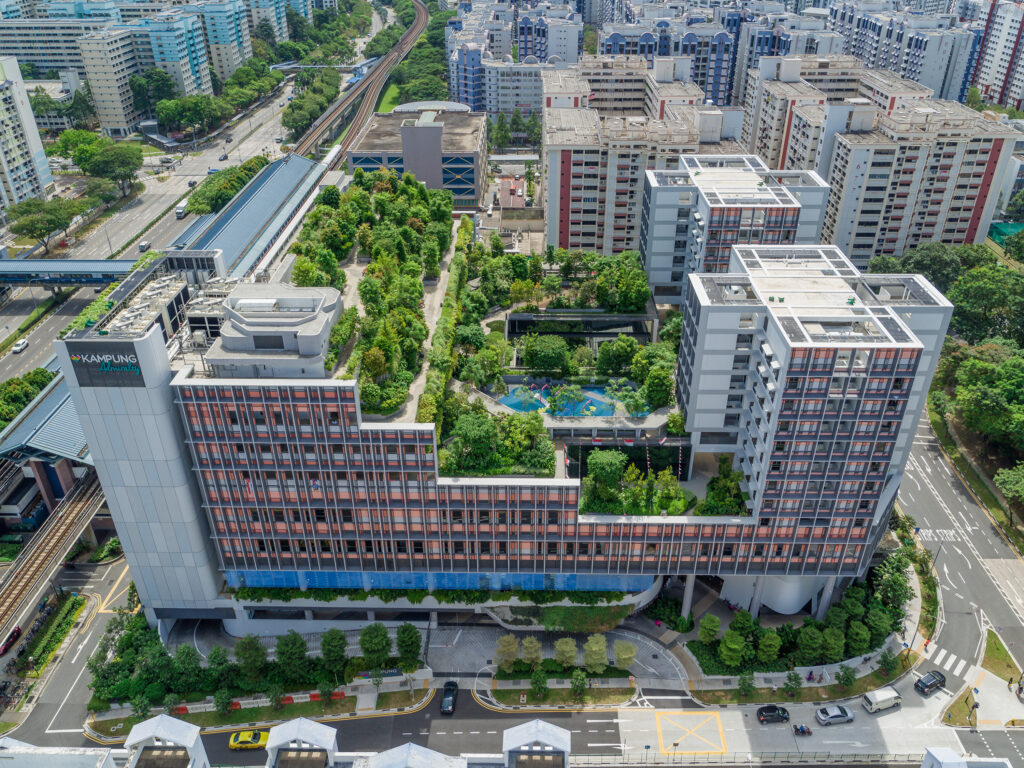
If design principles remain consistent, Wong suggests, the real complexity often lies elsewhere. When asked what he finds more difficult, designing or dealing with people, he laughs. “Designing is one of the easiest things for me. I can do it with my eyes closed,” he says, before adding more pointedly, “Dealing with people is by far the hardest part.” This became especially evident in projects like Kampung Admiralty, where success depended less on form than on aligning multiple ministries and agencies around a shared objective. Looking ahead, Wong remains
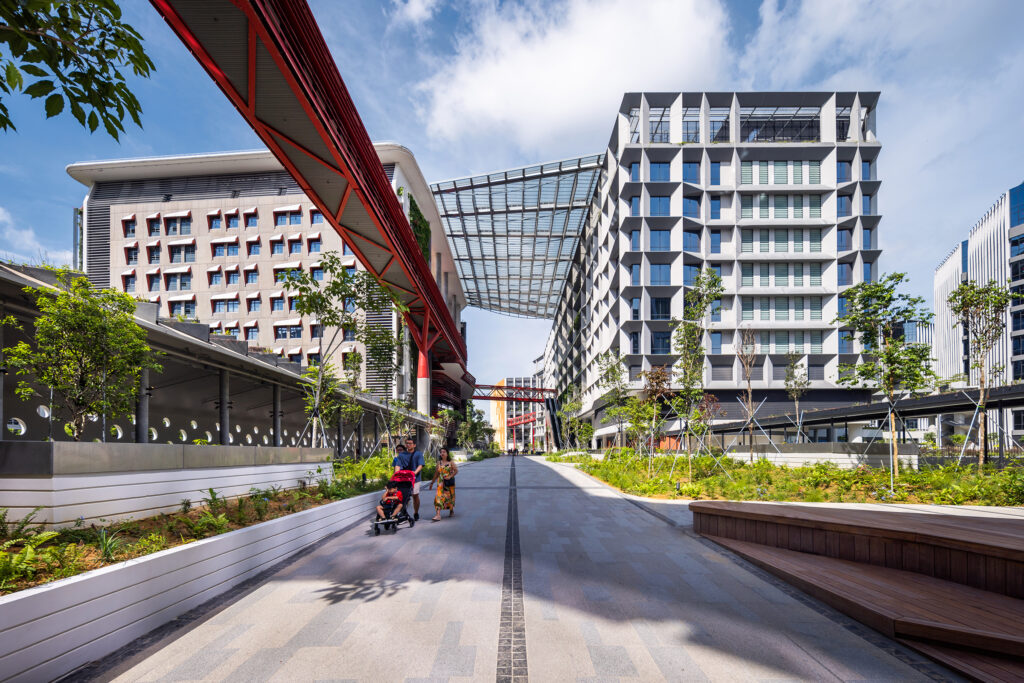
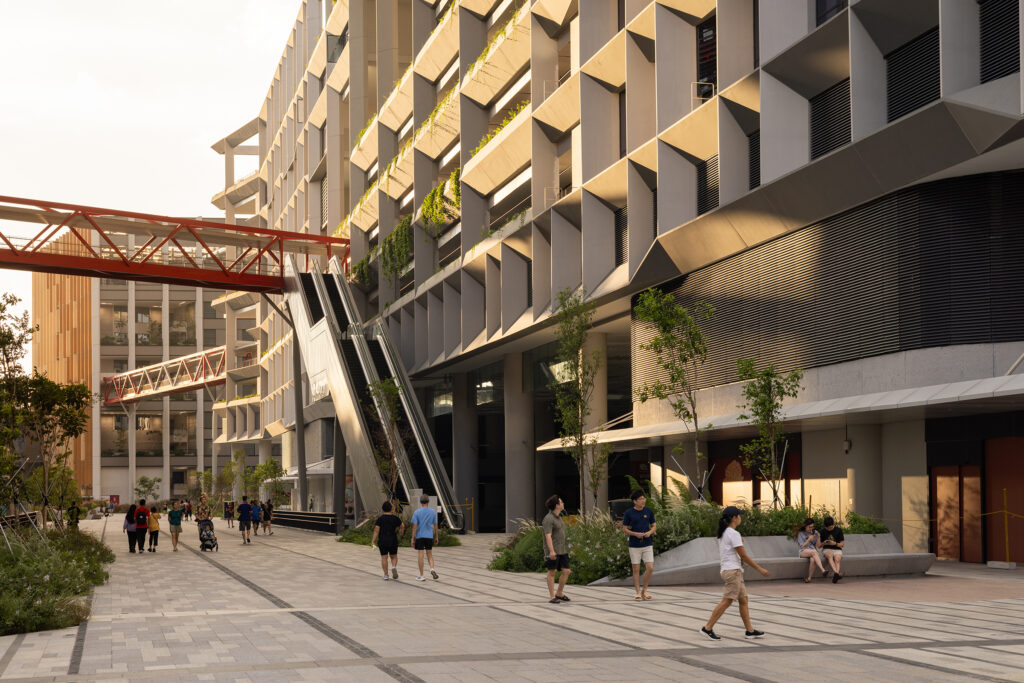
cautiously hopeful. Asked about the future of architecture in Singapore, he points to the Punggol Digital District as a model for biocentric urbanism, dense yet largely car-free, technologically advanced yet grounded in landscape. For him, the future lies not in spectacle, but in systems that quietly prioritise people and ecology.
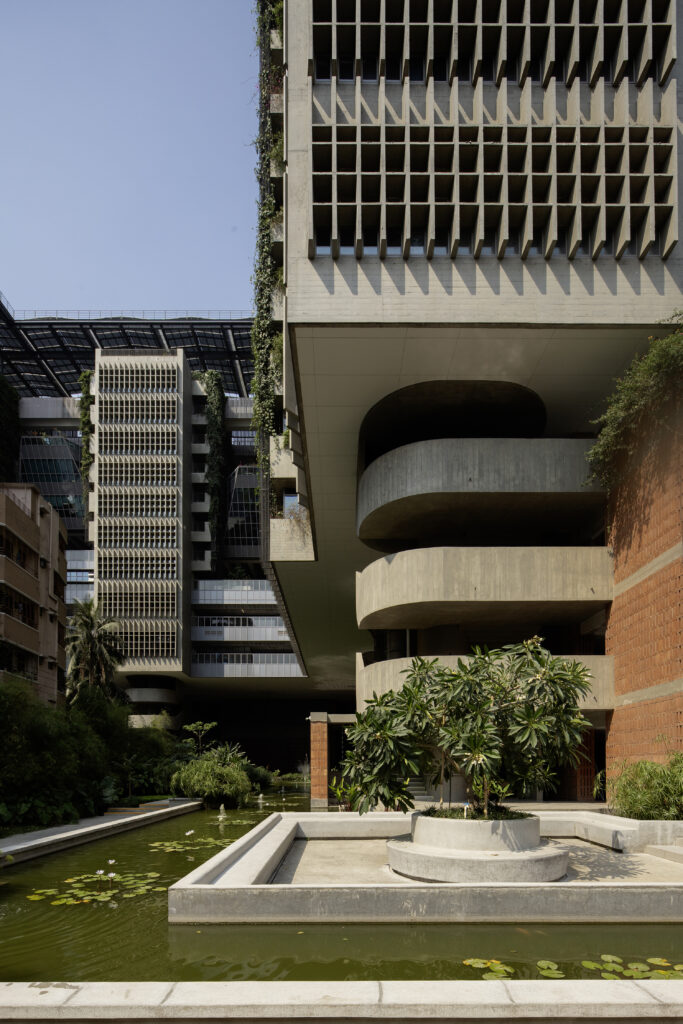
It is only when the conversation turns to Wong’s personal reflections and he is asked whether he has a favourite project, that he insists that all projects matter, and he returns to BRAC University. Designing BRAC University, he explains, was particularly challenging. His first impressions of the site remain vivid: children playing among rubbish, goats feeding on waste, and a stagnant, polluted pond at its centre. It was a place many would have abandoned. His reaction, however, was immediate; the site had to be transformed into a
park for the people. When asked about resistance to green space in dense contexts, Wong explains that the conversation at BRAC University centred on values. BRAC’s commitment to empowerment and social responsibility demanded a building that gave back to its neighbourhood. Decisions such as not building student hostels, encouraging students to rent locally, and activating ground floors with shops and food outlets were made consciously to support, rather than displace, the surrounding community.
Across the interview, one idea returns with quiet consistency: architecture, for Wong Mun Summ and WOHA, is an act of responsibility. It is not about producing objects that stand apart from their context, but about shaping environments that respond to climate, to people, to the slow rhythms of everyday life.
This belief runs through the practice’s work at every scale. From public transport infrastructure to dense urban districts, from housing to highly commercial developments, WOHA approaches architecture as a living system rather than a finished object. Buildings are conceived not as isolated forms, but as environments that breathe, adapt, and participate in everyday life. Their success is measured not only by efficiency or appearance, but by what they enable: shade, movement, encounter, care. Design, in Wong’s view, is inseparable from process. It demands patience, negotiation, and an ability to align diverse interests around shared goals. Whether navigating complex governance structures or working within tight commercial constraints, the task remains the same: to find spatial generosity where it might otherwise be overlooked, and to redirect resources toward long-term civic value. What emerges from this approach is an architecture that is quietly radical. It does not announce itself loudly, yet it reshapes how cities are inhabited and understood. Over time, these ideas move beyond individual buildings, entering conversations about policy, urban value, and the future of development itself.
For WOHA, architecture is never neutral. Every project carries an ethical weight, an opportunity to respond rather than impose, to repair rather than replace. And in a world increasingly defined by environmental urgency and urban pressure, that sense of responsibility is not framed as a constraint, but as architecture’s most enduring purpose.
Copyright © 2025 ArchBiz Magazine. All Rights Reserved.