

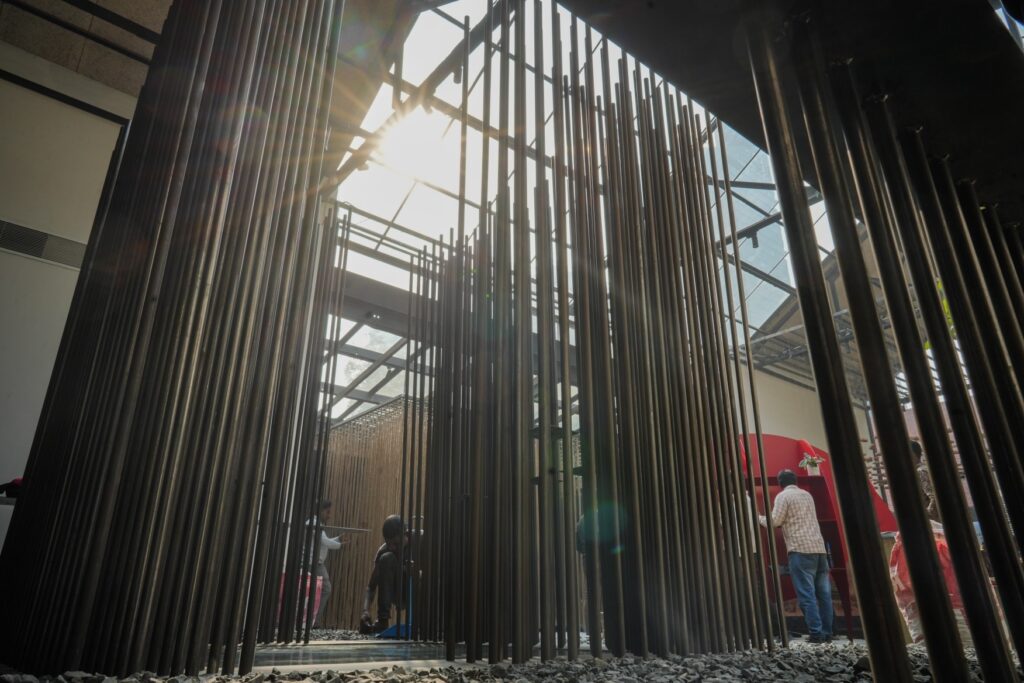
In a time when architectural practice in Bangladesh is expanding in scale, ambition, and intellectual depth, Parallels emerges as a timely and consequential group exhibition, one that moves beyond representation to reflection, dialogue, and critique.
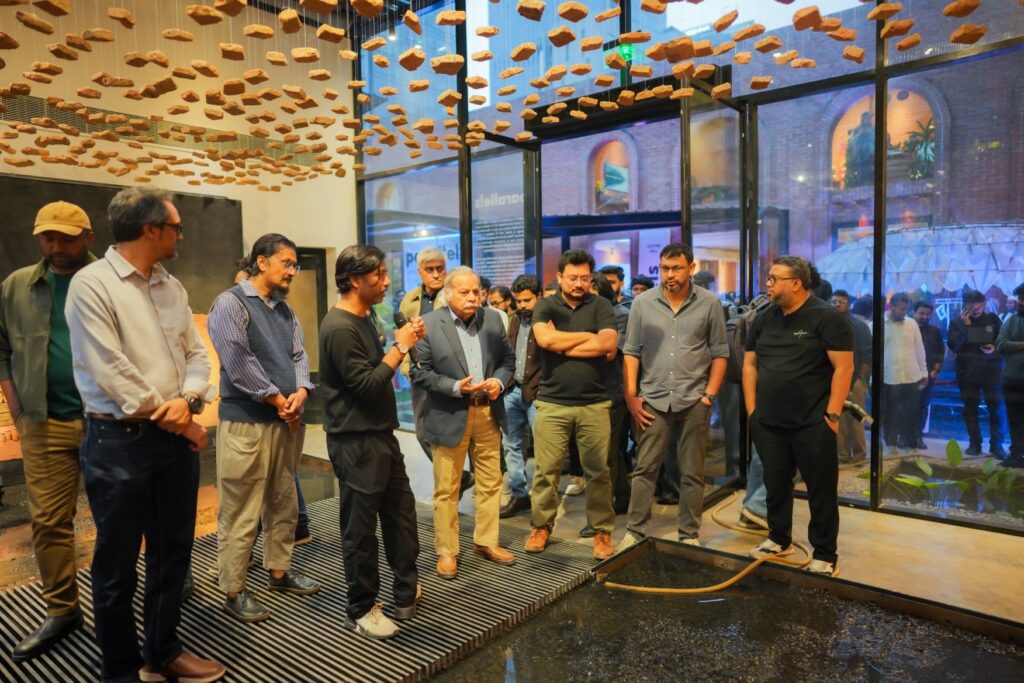
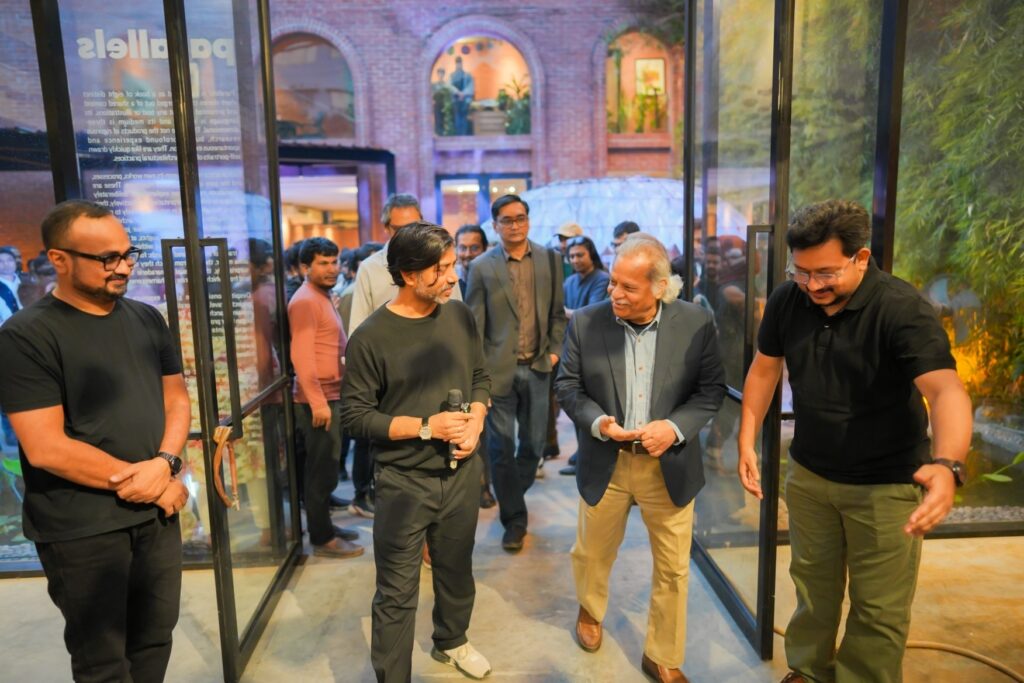
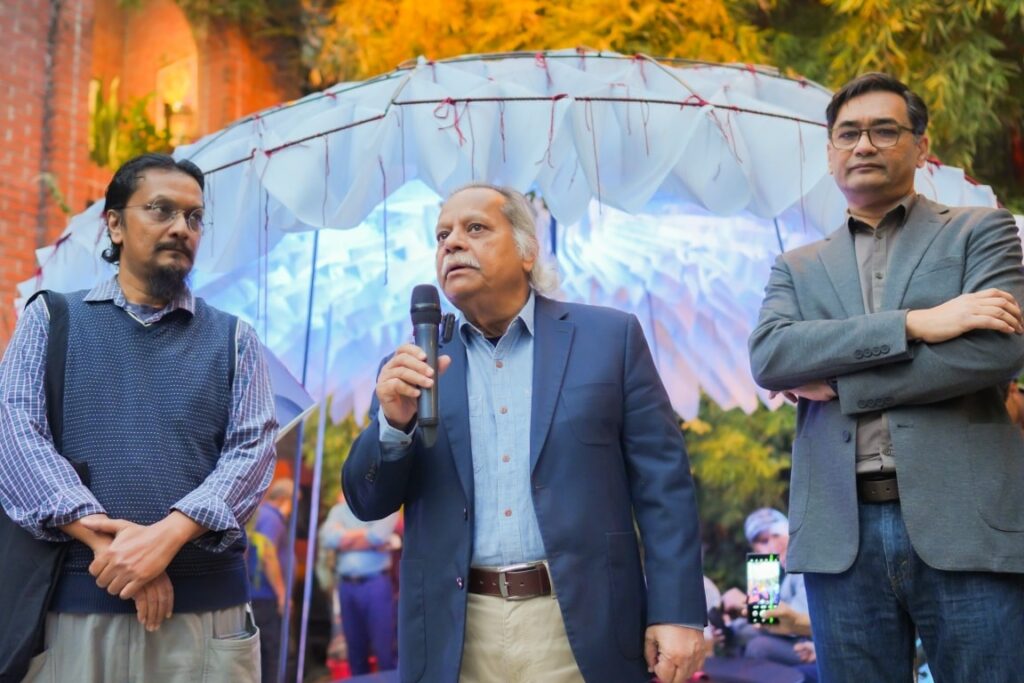
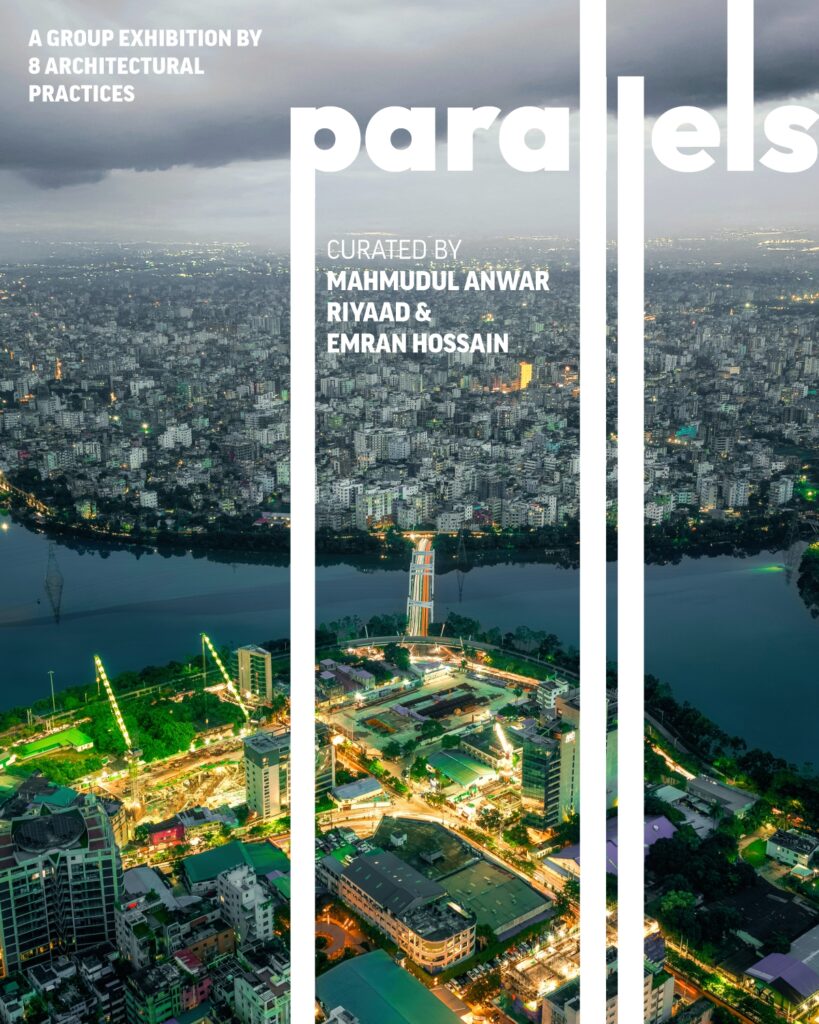
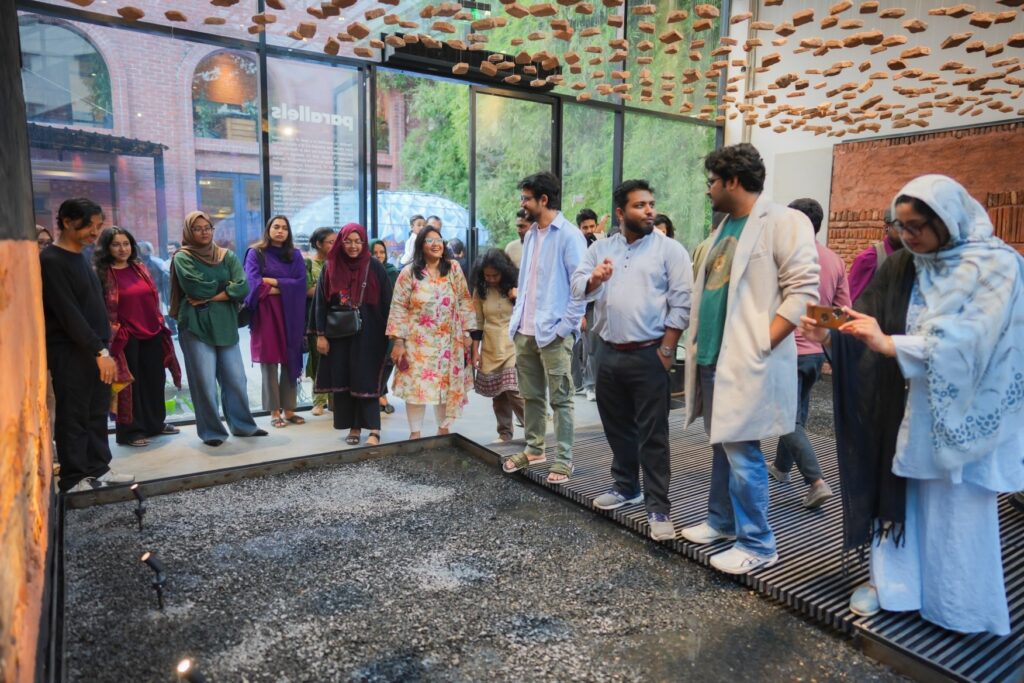
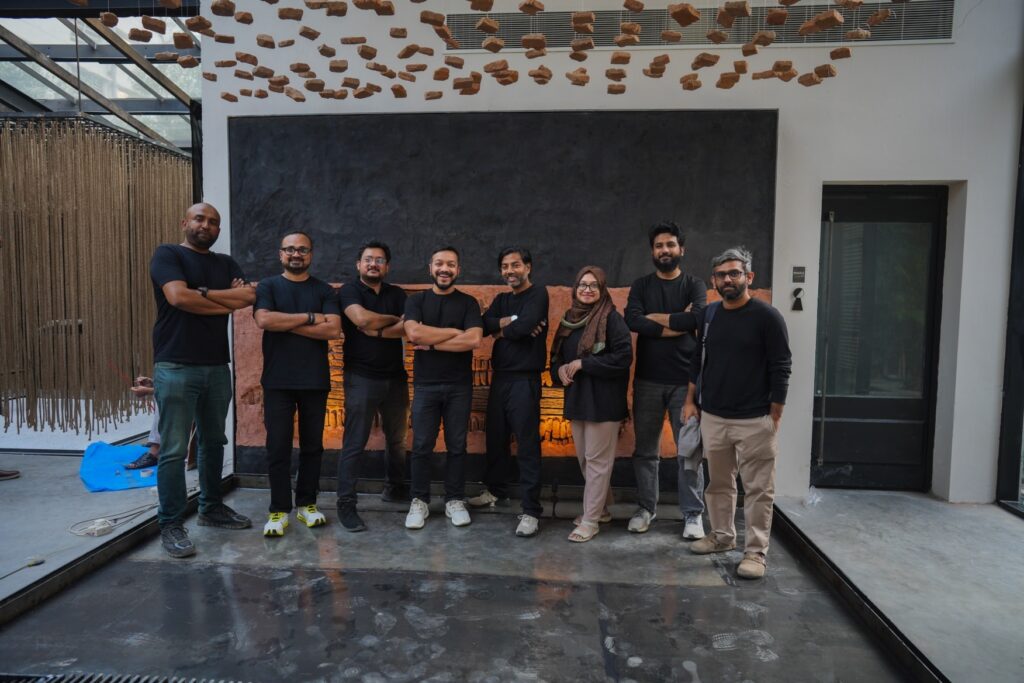
Scheduled to take place from 24–29 January 2026 at ALOKI, Tejgaon, Parallels brings together 8 architectural practices whose works collectively trace the evolving trajectories of contemporary architecture in Bangladesh. Curated by Mahmudul Anwar Riyaad and Emran Hossain, the exhibition positions itself not merely as a display of projects but as a platform for architectural thinking, discourse, and cross-generational exchange.
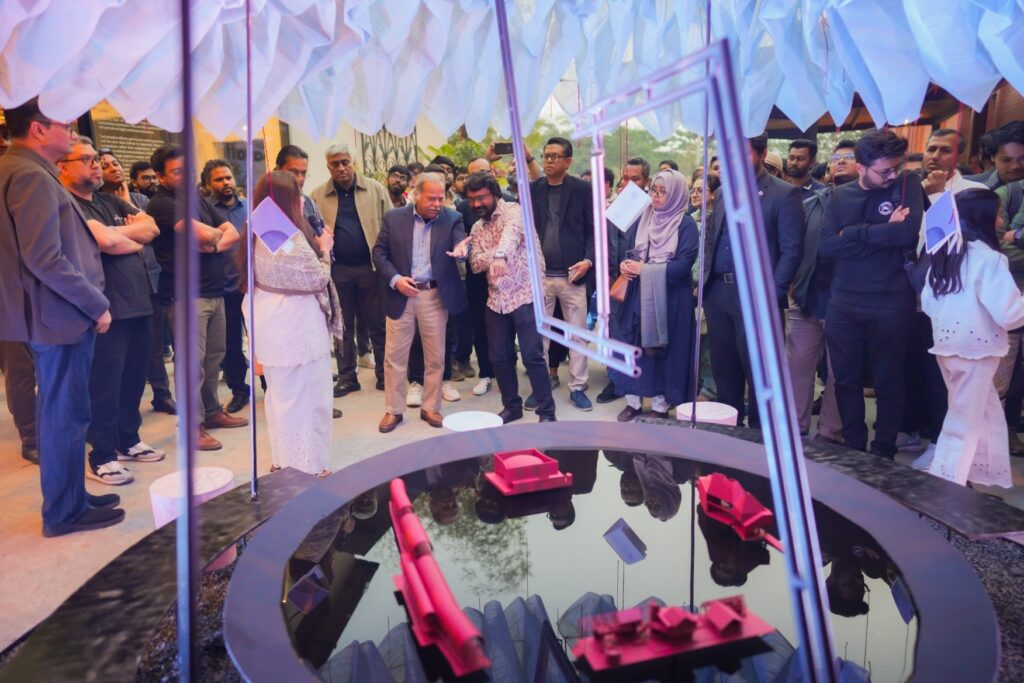
An Exhibition Rooted in Discourse
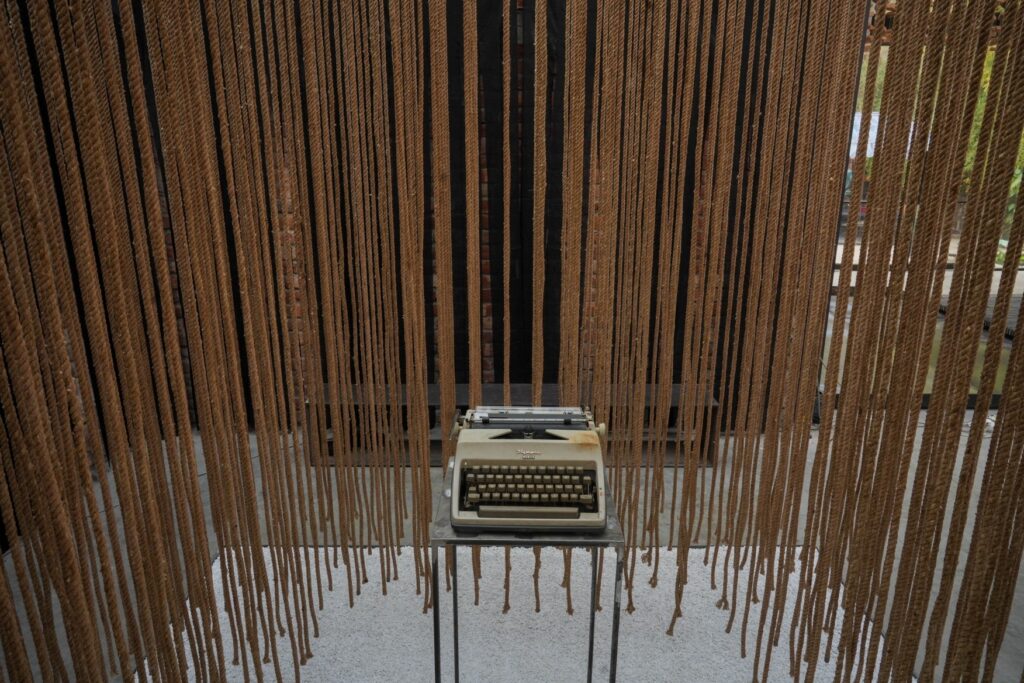
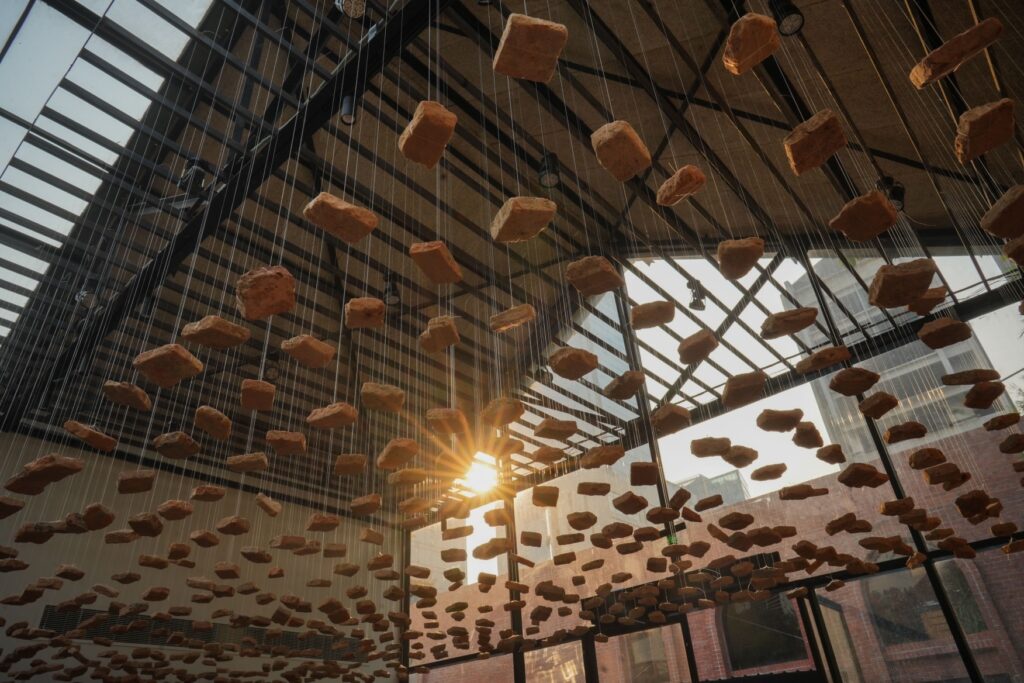
Unlike conventional architectural exhibitions that often focus solely on finished projects, Parallels foregrounds process, philosophy, and position. The participating practices
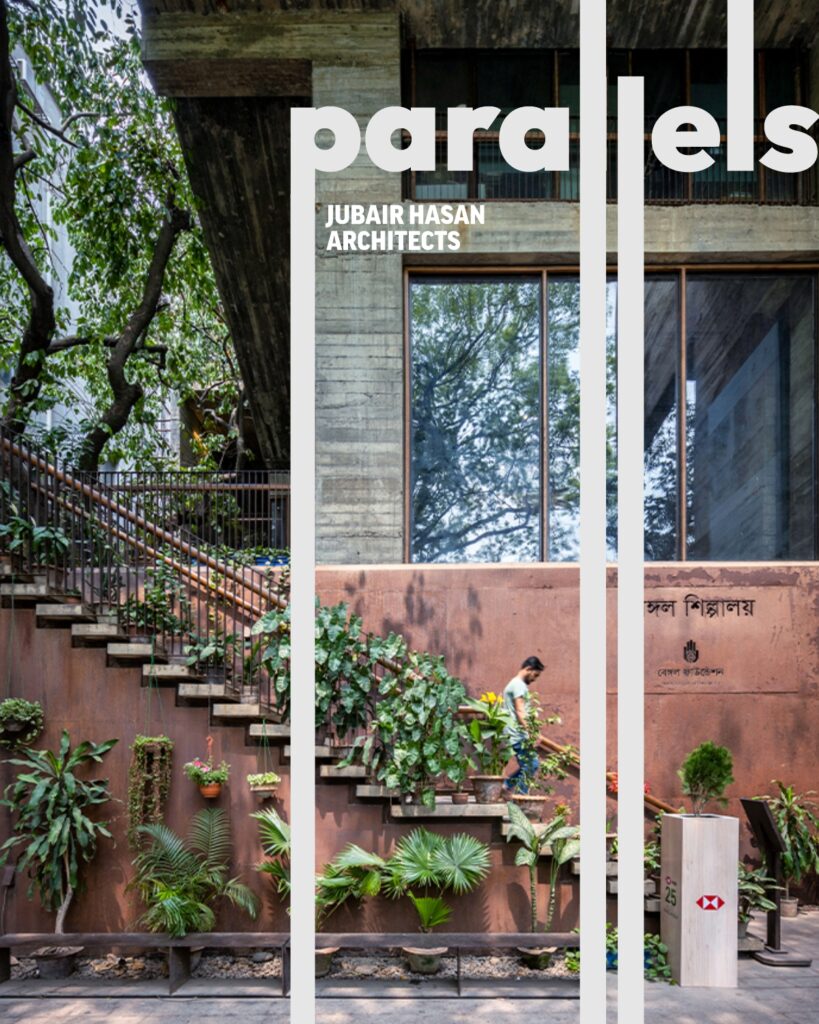
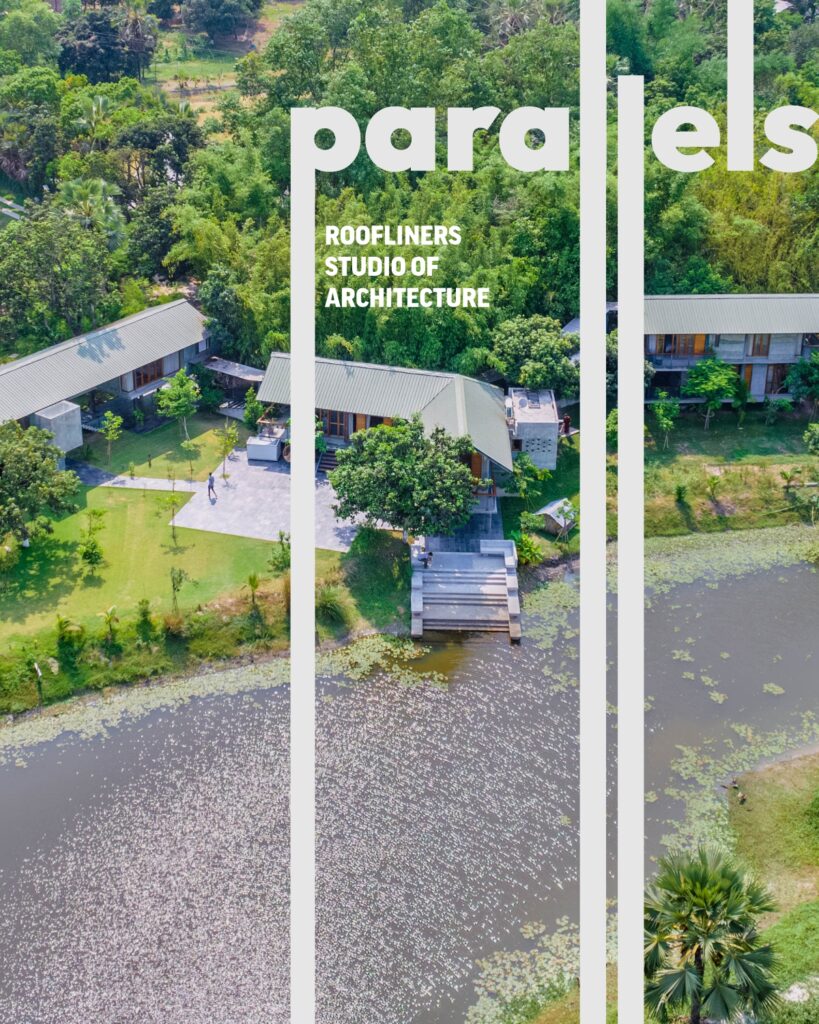
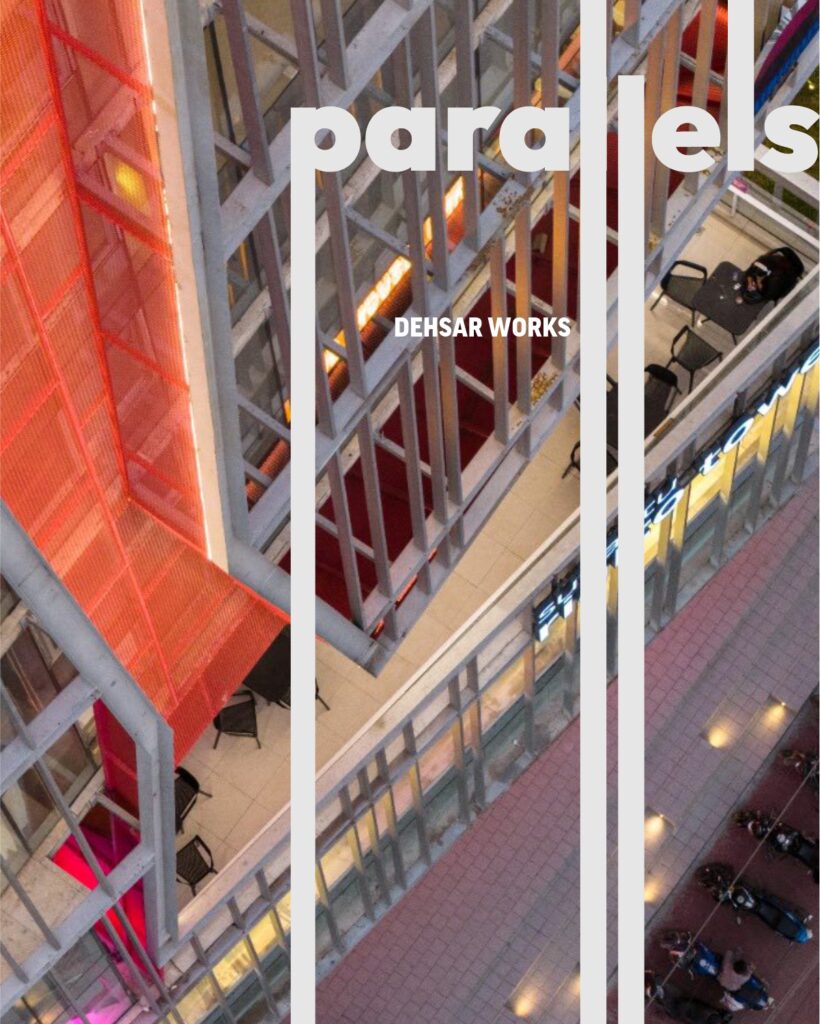
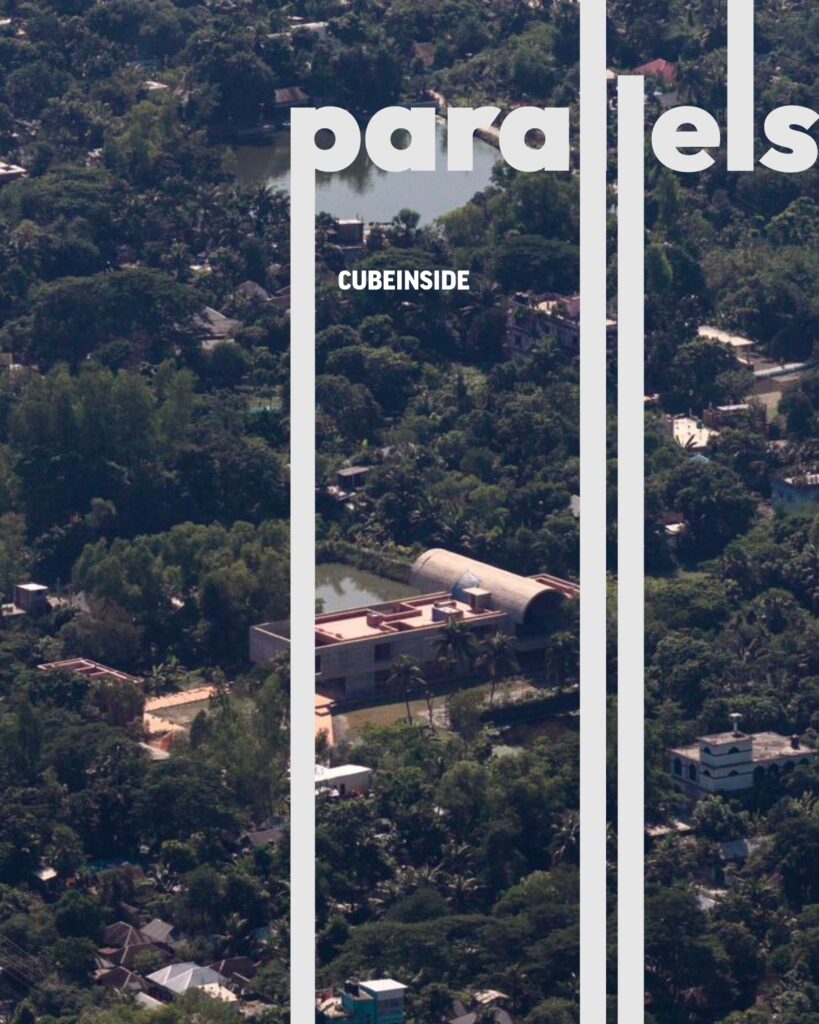
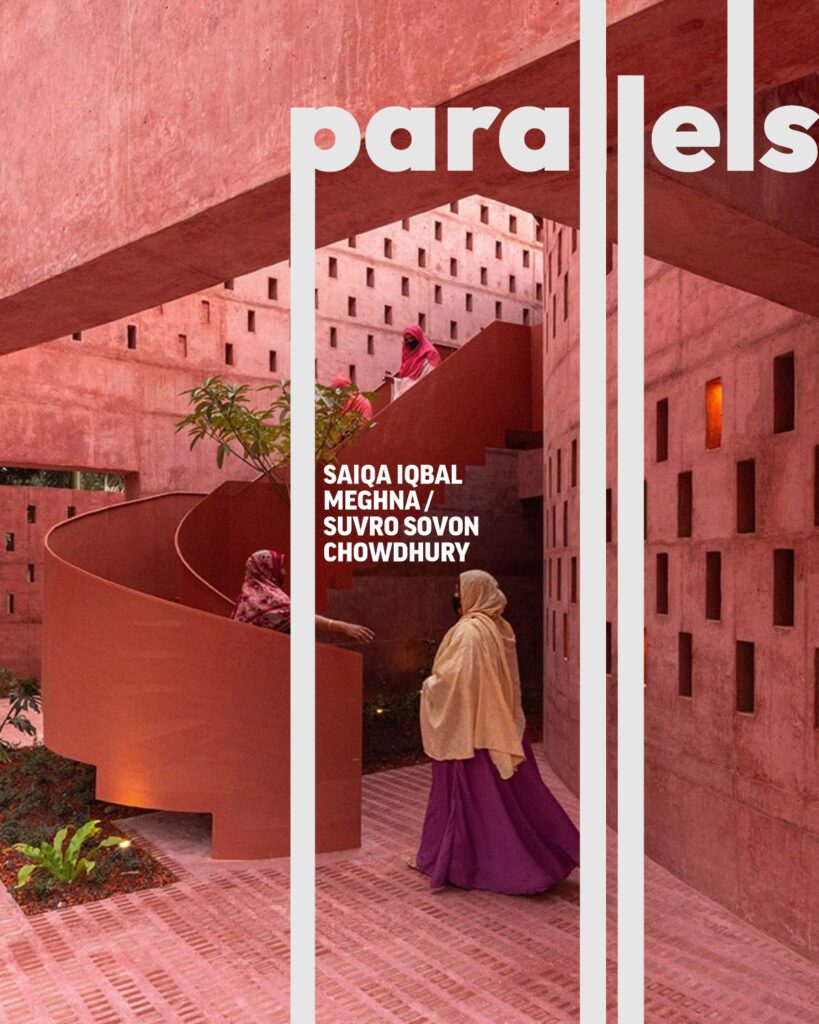
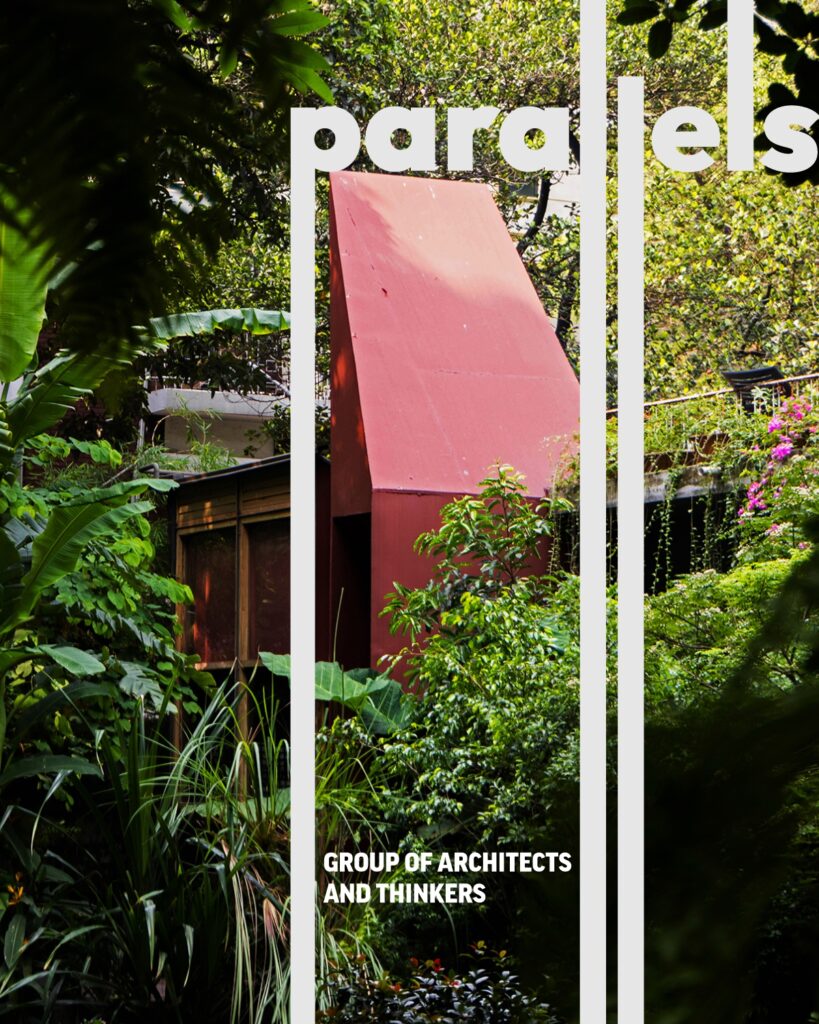
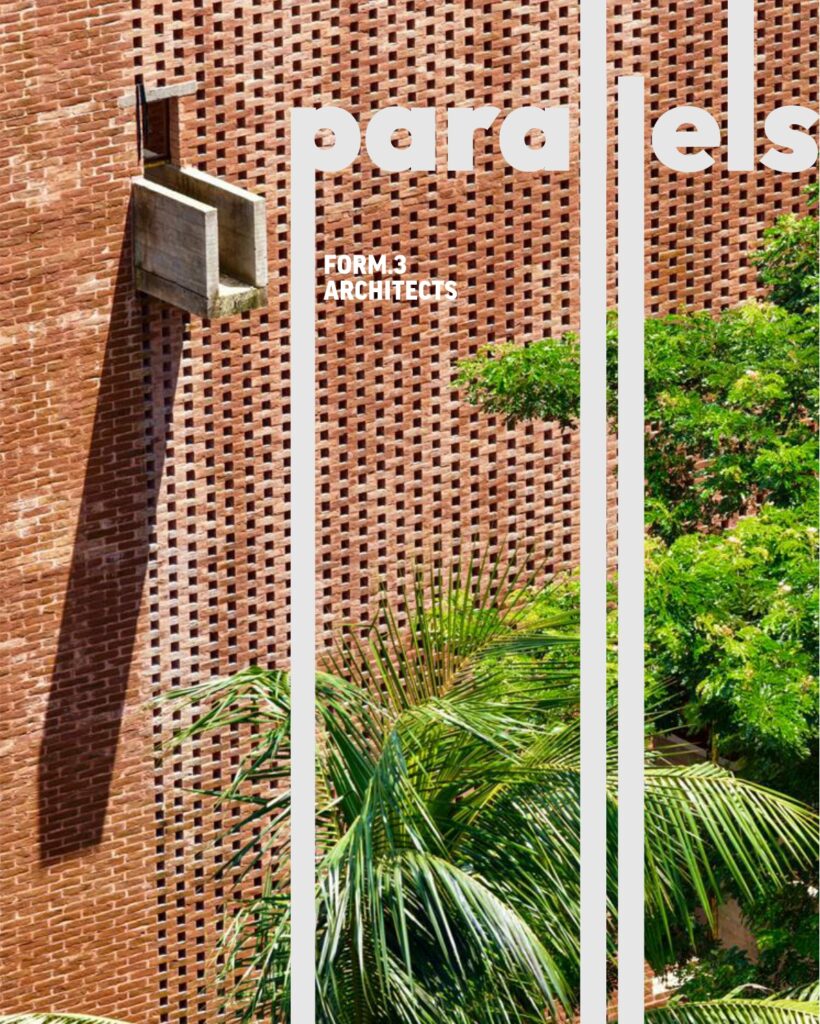
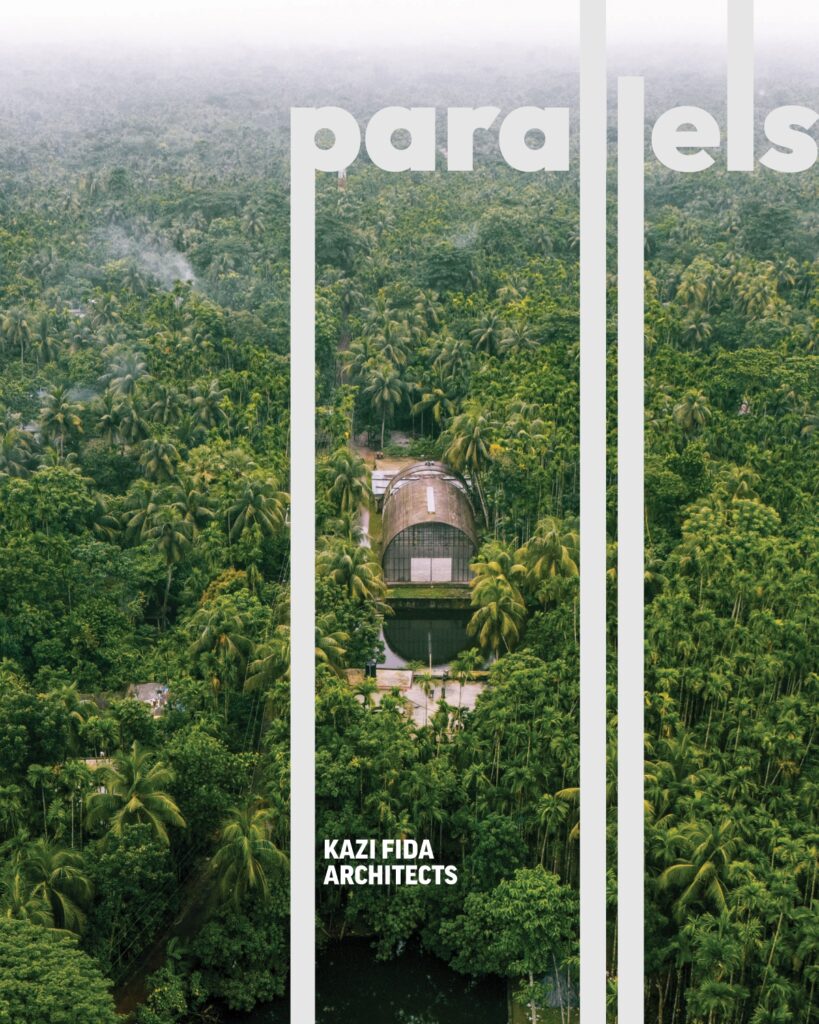
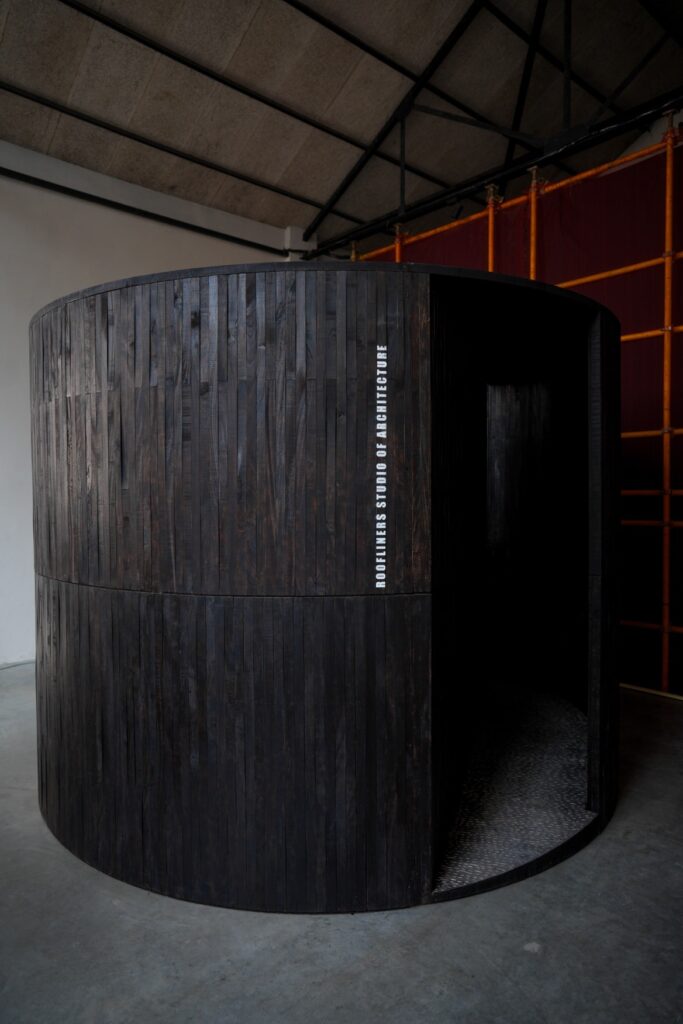
Jubair Hasan Architects, Kazi Fida Islam, FORM.3 Architects, Group of Architects and Thinkers (GOAAT), Saiqa Iqbal Meghna & Suvro Sovon Chowdhury, Cubeinside, Dehsar Works, and Roofliners Studio of Architecture represent a spectrum of design approaches shaped by context, materiality, experimentation, and social engagement.
Together, they form a layered narrative of architectural practice in Bangladesh today, where regional realities intersect with global conversations, and where professional boundaries are continually being questioned and redefined.
Curatorial Depth and Leadership
The curatorial framework is led by two distinguished figures whose academic, professional, and international engagements bring depth to the exhibition’s intellectual grounding.
Mahmudul Anwar Riyaad, Principal Designer and Director of DWm4 Architects, brings decades of experience spanning practice, education, and institution-building. His academic journey from BUET to the Bartlett School of Architecture, UCL, and further training in Sweden and Australia has shaped a career deeply invested in architectural education and discourse in Bangladesh.
Emran Hossain, Principal Architect of Architect Emran & Associates (Ar-EA), contributes a global professional perspective shaped by his education at BUET and Harvard GSD, and his experience at Steven Holl Architects in New York. His work bridges large-scale practice, teaching, and critical inquiry.
Together, the curators frame Parallels as a conversation across practices, rather than a comparison between them.
A Week of Conversations, Not Just Viewing
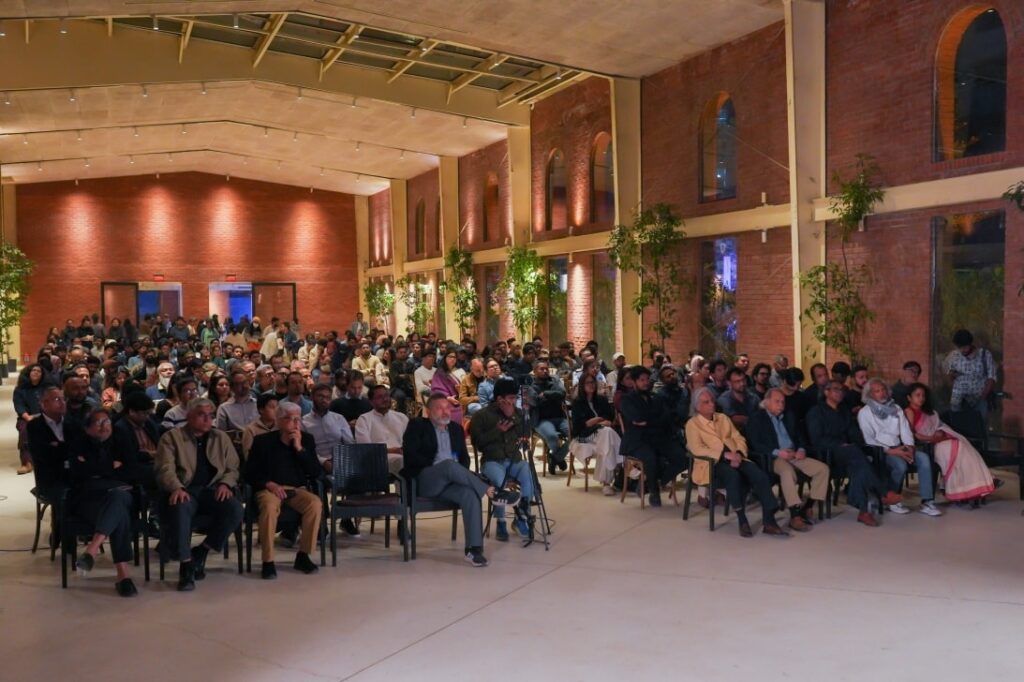
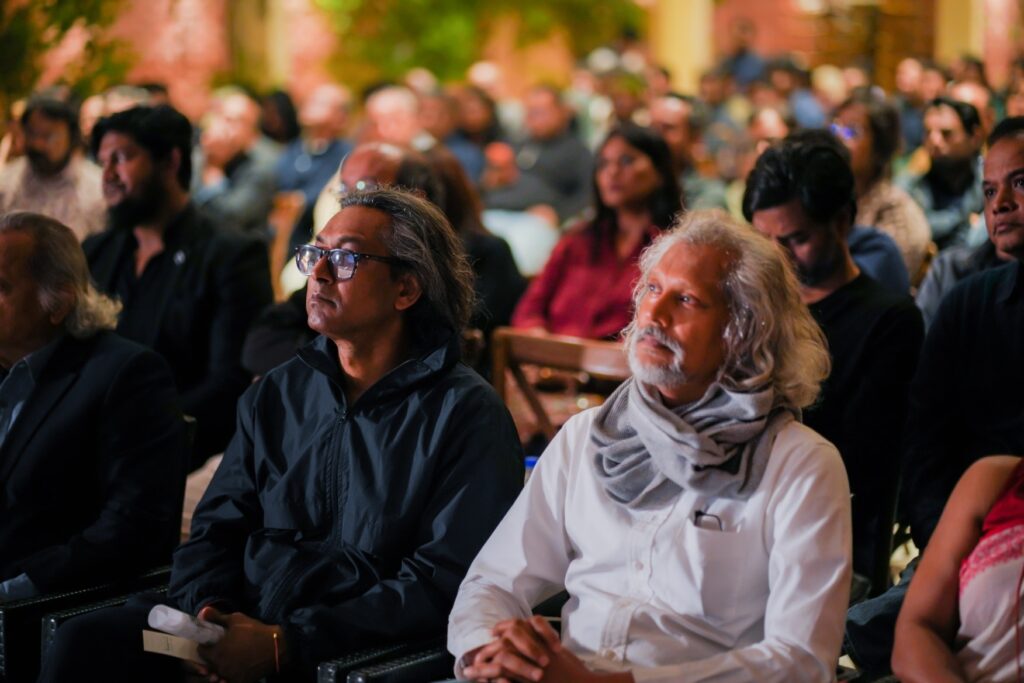
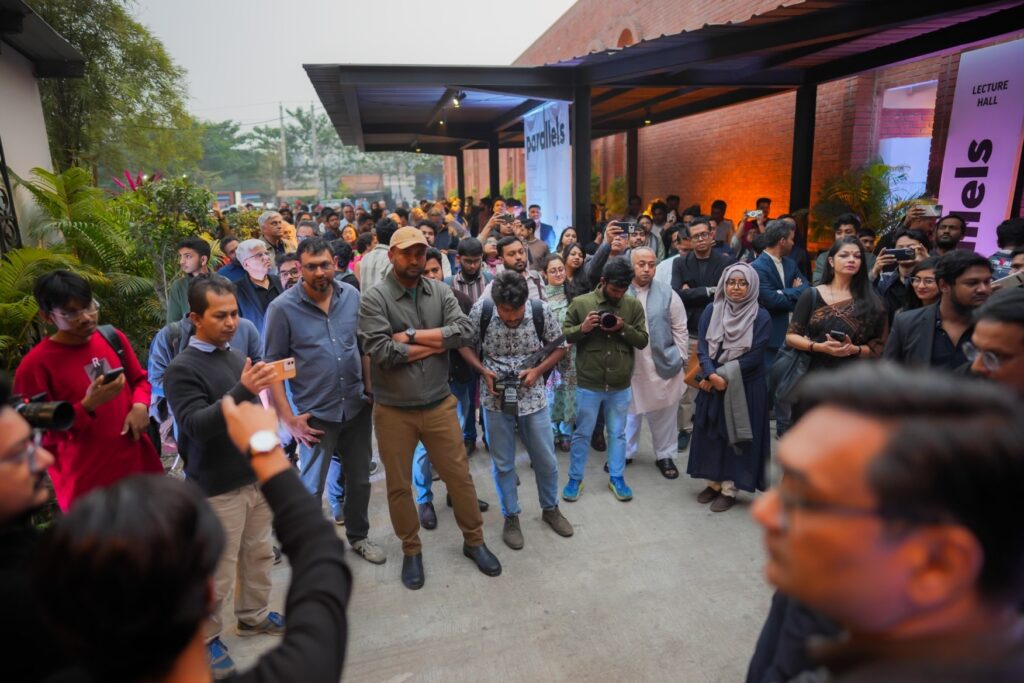
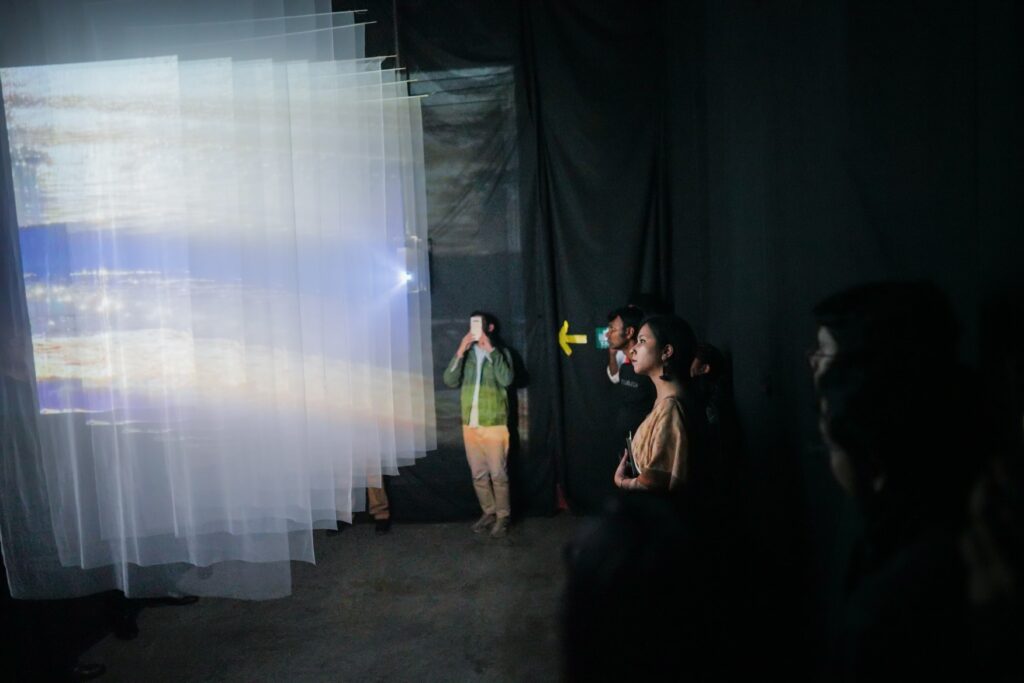
One of the most significant aspects of Parallels is its extensive public engagement program, transforming the exhibition into a week-long architectural forum.
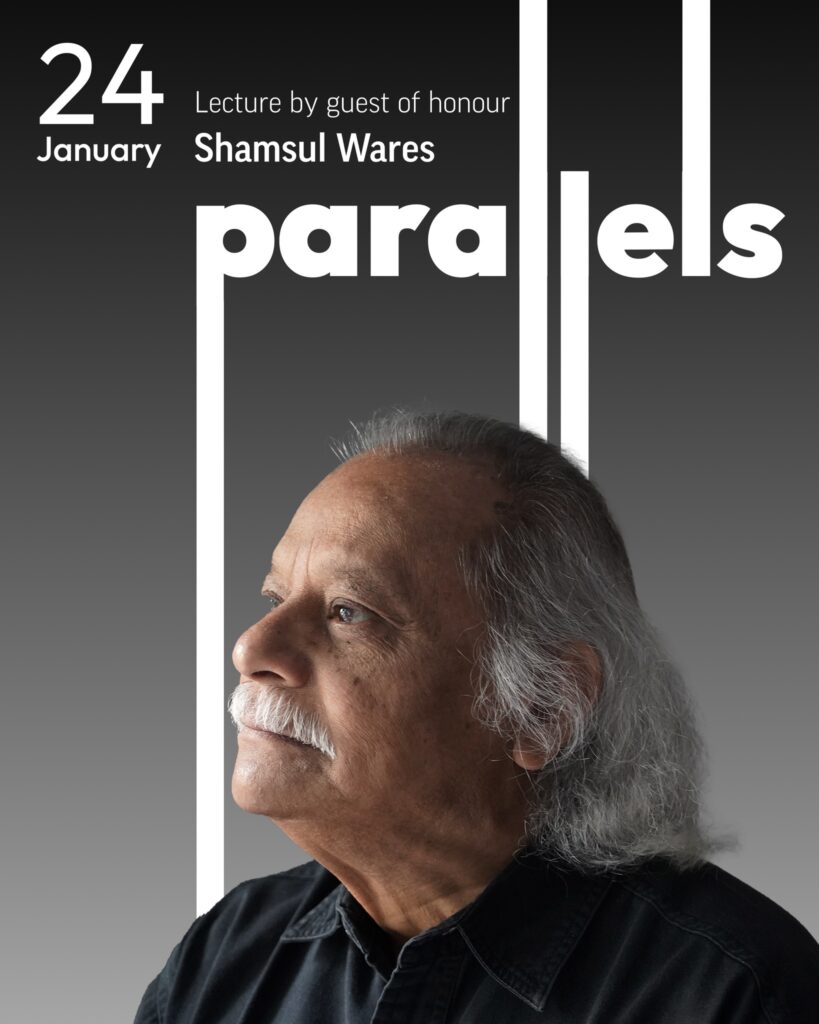
- Opening Day (January 24) will feature the exhibition inauguration, followed by a curatorial monologue that sets the intellectual tone of the event.
- Dialogue with Eight Practices (24 January) will be led by Kashef Mahboob Chowdhury, creating a rare opportunity for collective reflection among practitioners.
- From January 25–28, a series of paired talks by participating practices will be held each evening, moderated by respected architects and thinkers, including Nahas Ahmed Khalil, Salauddin Ahmed, Mamnoon Murshed Chowdhury, Ehsan Khan, and others.
- The exhibition concludes on 29 January with a closing discourse featuring Luva Nahid Choudhury, Tanzim Wahab, Munem Wasif, Bishwajit Goswami, Sabyasachi Hazra, and Farhan S. Karim, moderated by the curators themselves.
This layered programming reinforces Parallels as a living platform of ideas, rather than a static exhibition.
Why Parallels Matters
At a moment when Bangladesh’s built environment is undergoing rapid transformation, Parallels arrives as an essential pause, a space to reflect on where architectural practice stands today, and where it might be headed next.
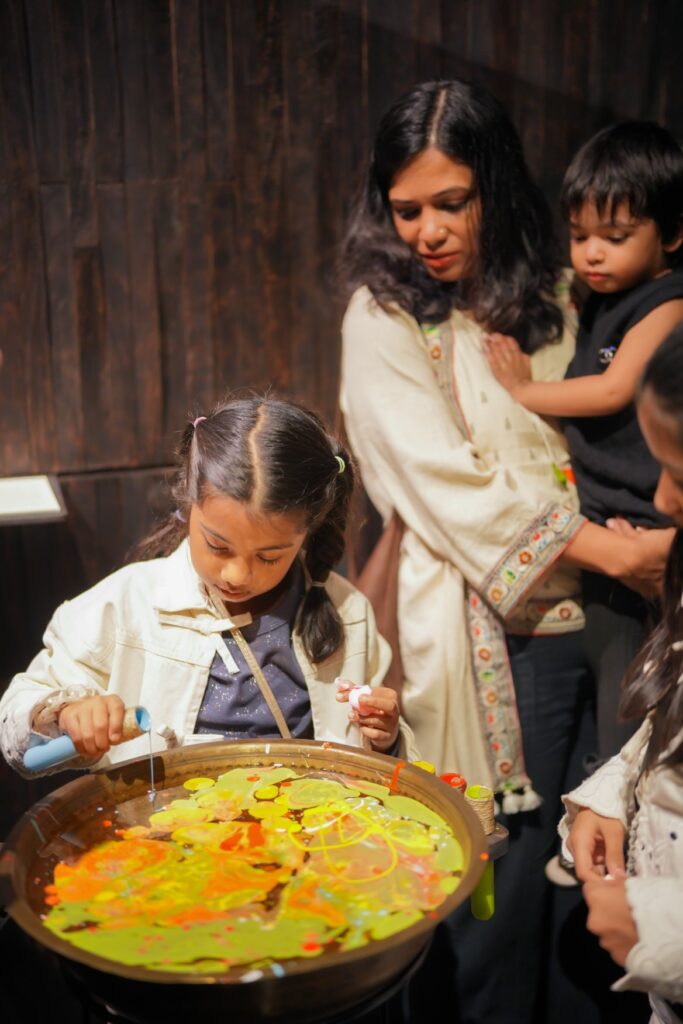
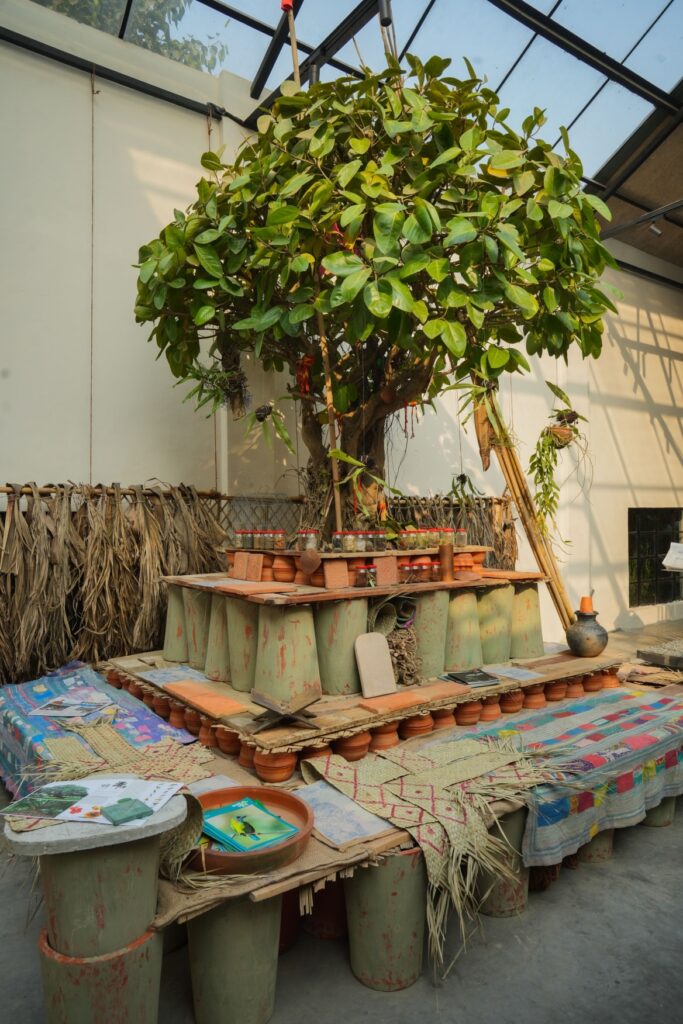
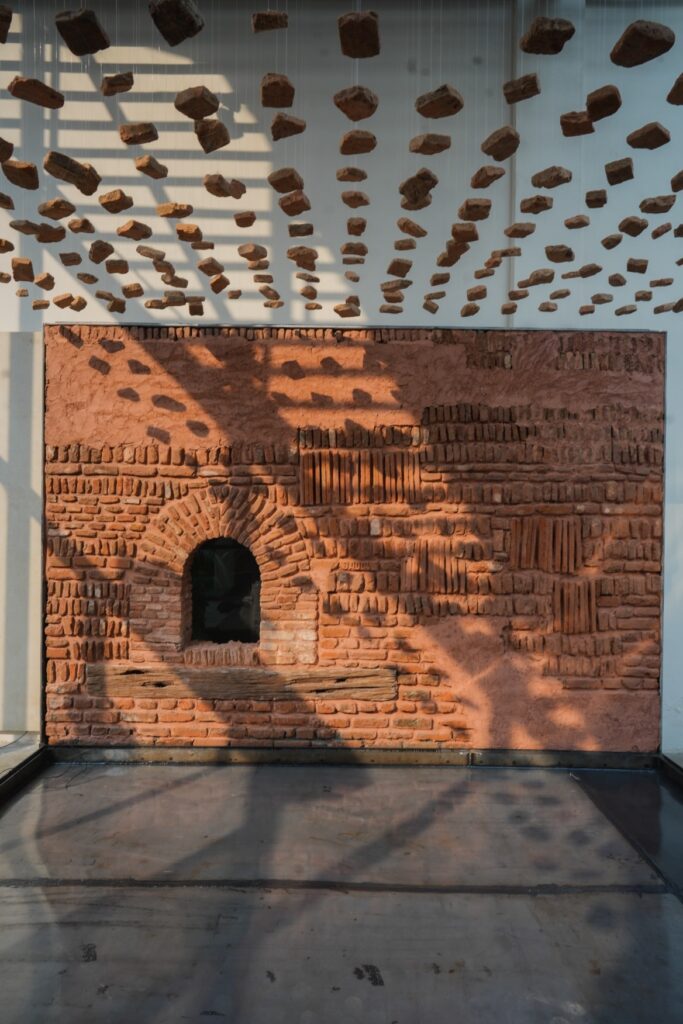
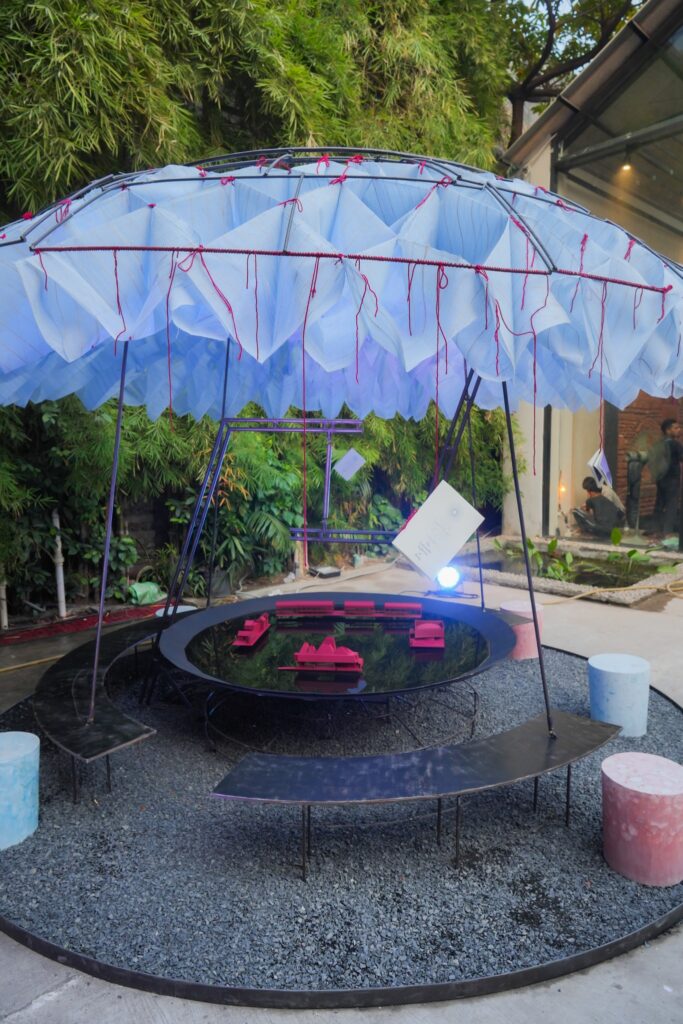
By bringing together architects, real estate professionals, industry leaders, students, clients, and the general public, the exhibition opens architectural discourse beyond professional silos. It asserts that architecture is not only about buildings, but about thinking, questioning, and collective responsibility.
Photo: Selim Mridul / Maruf Raihan.Works
Copyright © 2025 ArchBiz Magazine. All Rights Reserved.