

The solo exhibition at Bengal Shilpalay traces 35 years of the Bangladeshi architect’s creative journey, bringing together watercolours, architectural models, sketches and selected projects.
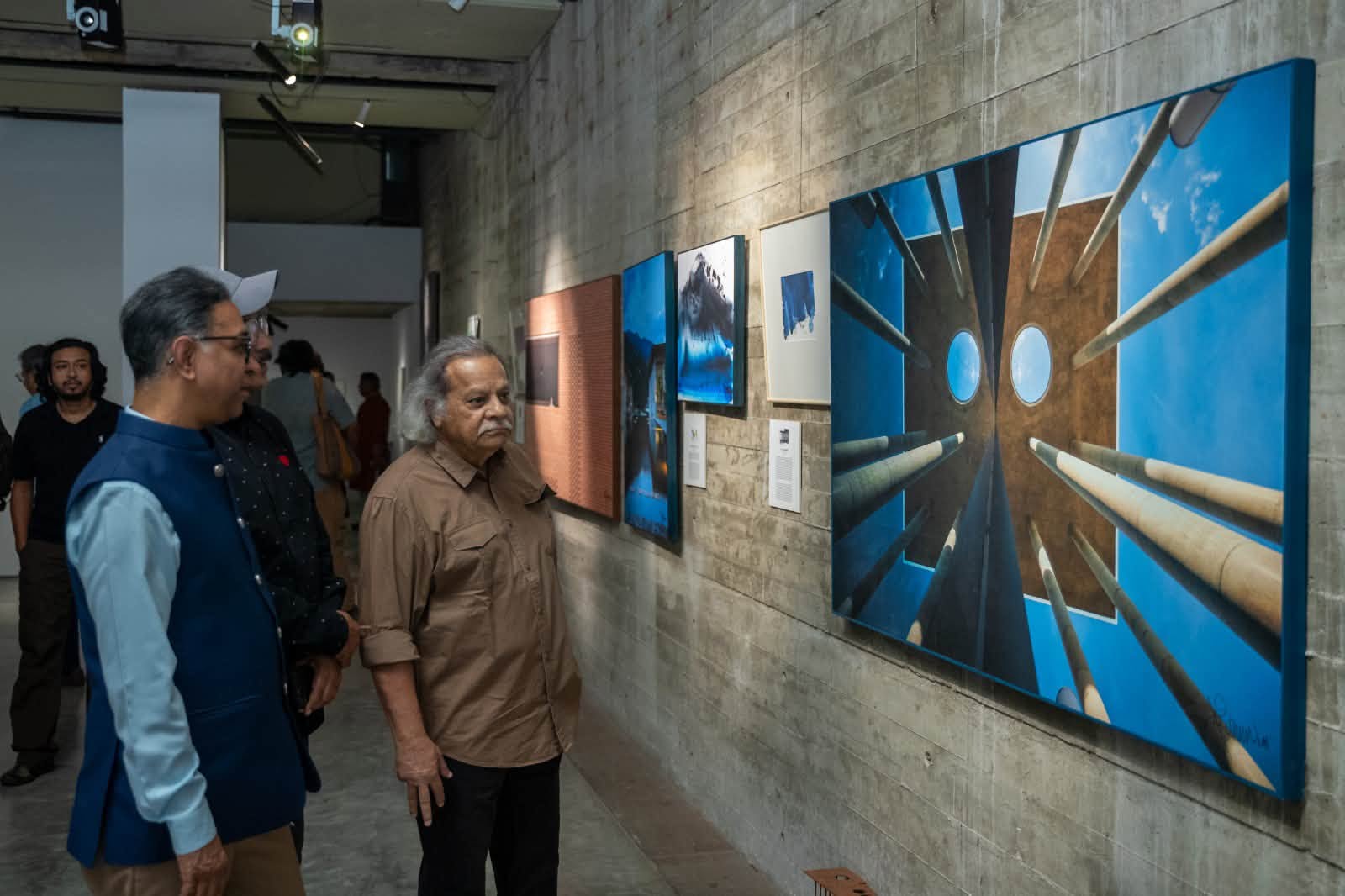
DHAKA, Bangladesh- For architect Mohammad Rafiq Azam, architecture has always extended beyond the making of buildings. It is a way of interpreting nature, memory, culture and the relationships people form with the spaces around them. His latest solo exhibition, Threshold: Art & Architecture (Moddhoborti: Shilpo O Sthapatto), brings these ideas together in an exploration of nearly 35 years of creative practice.
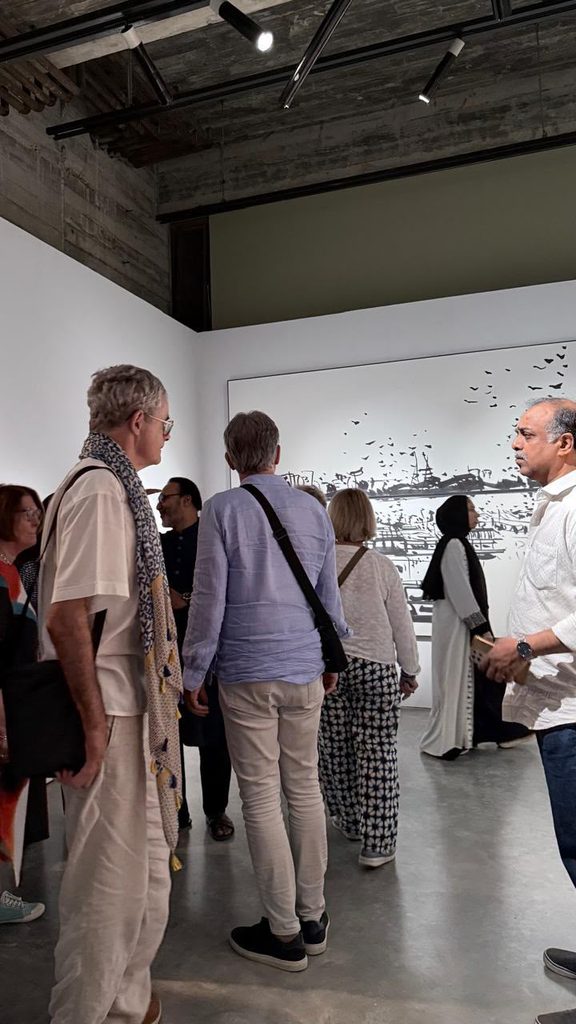
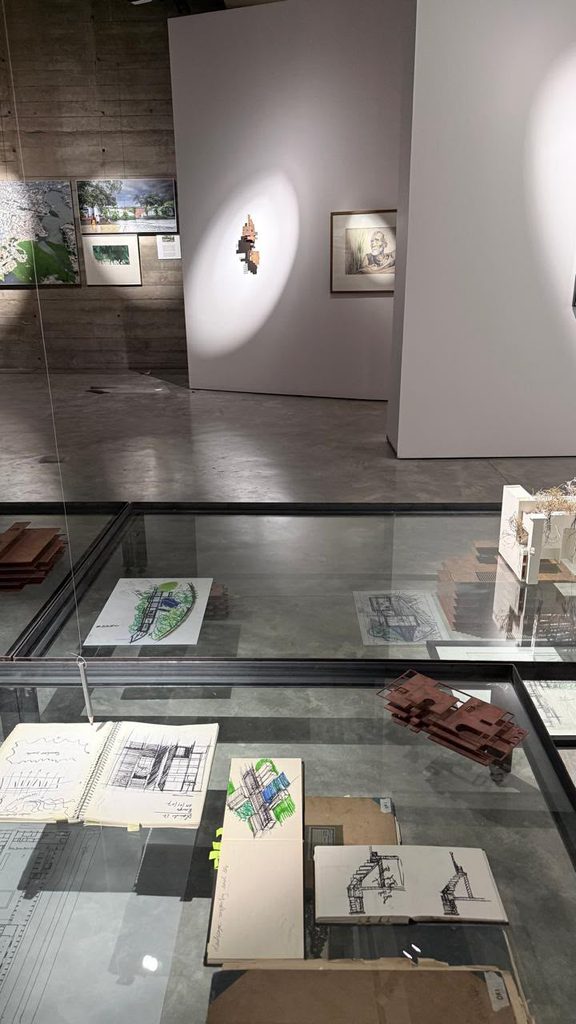
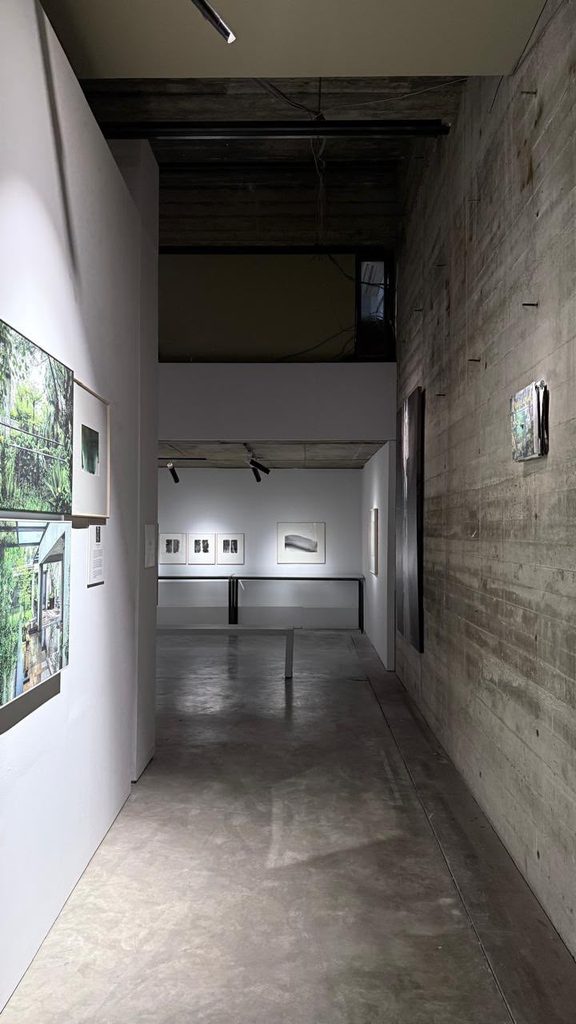
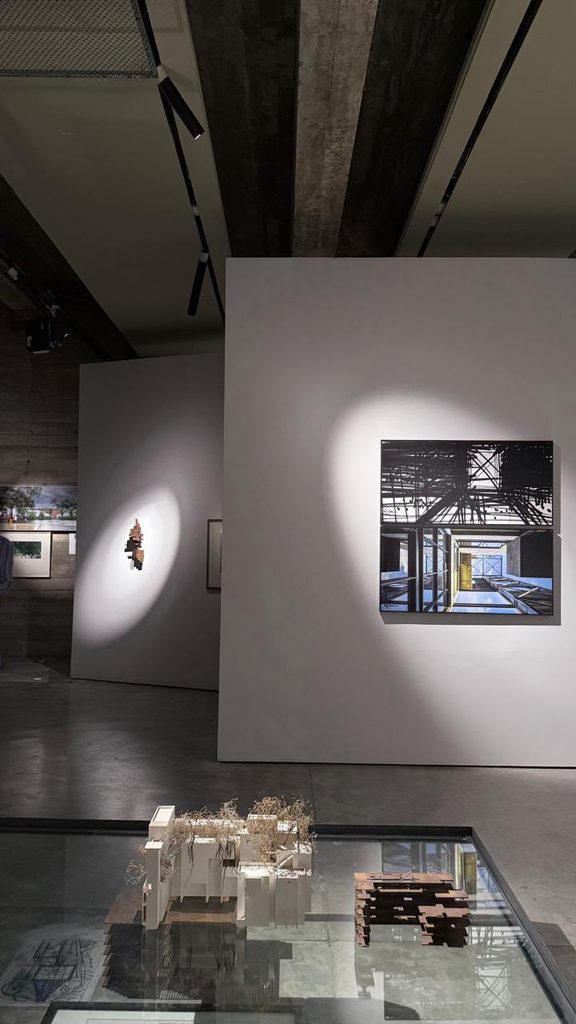
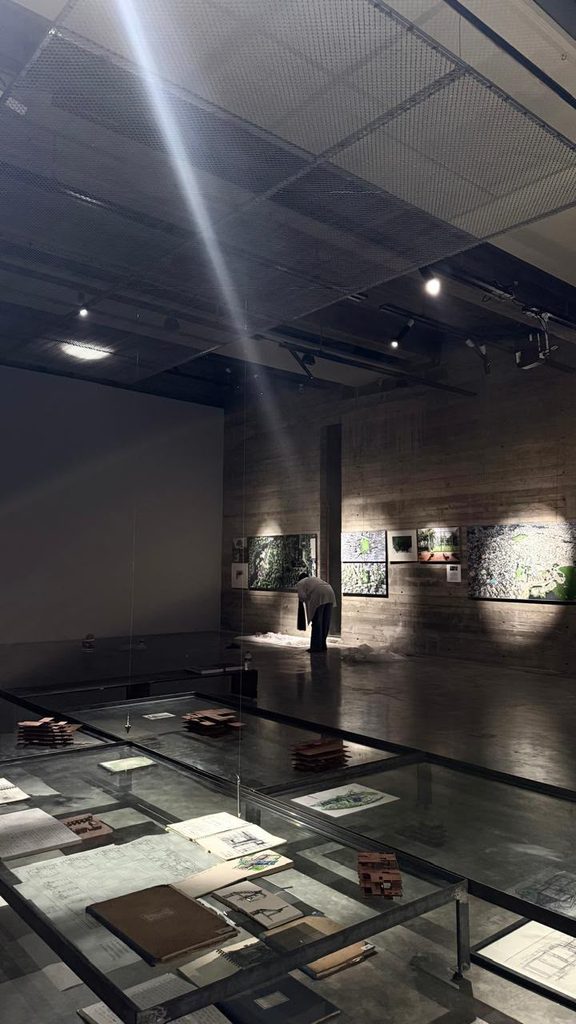
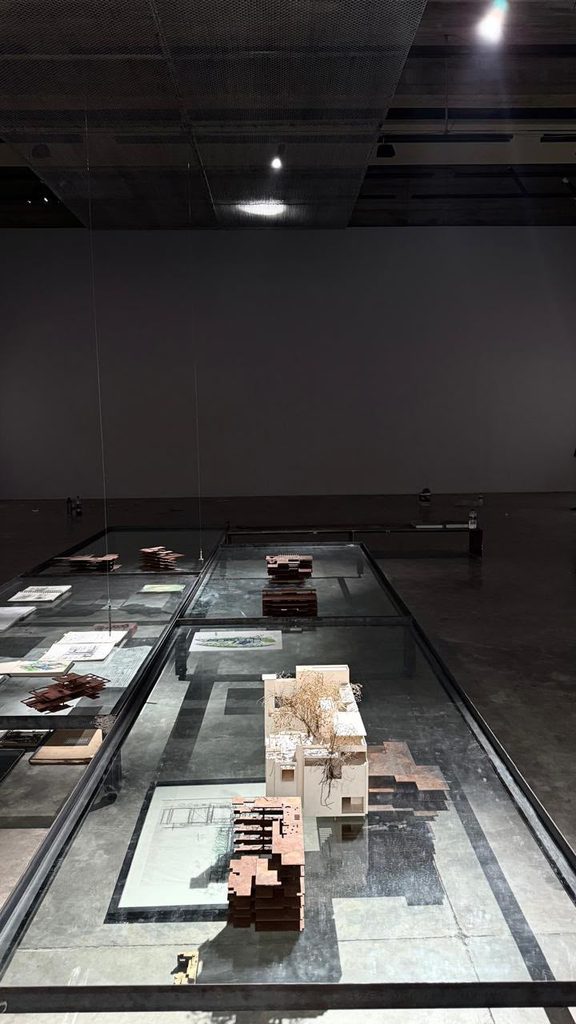
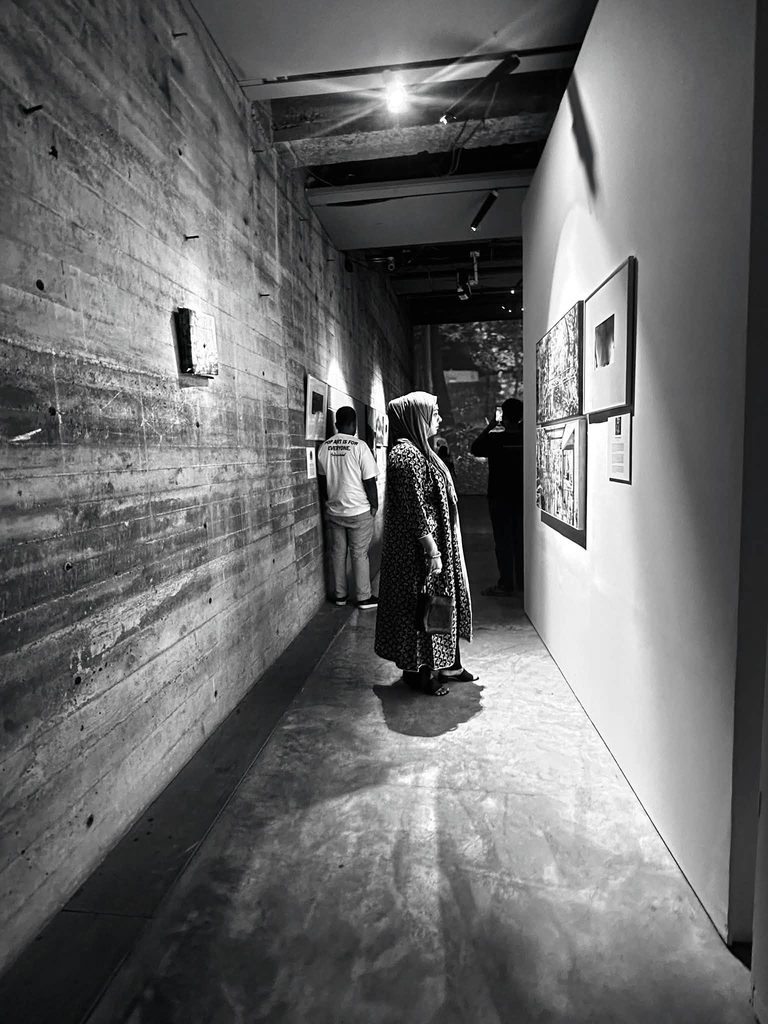
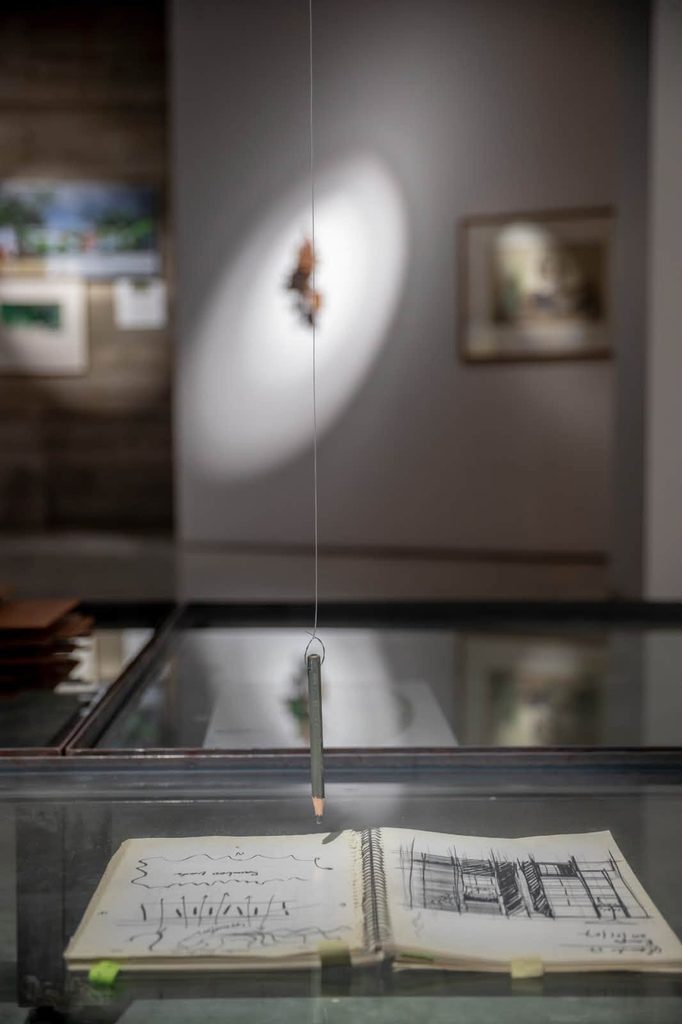
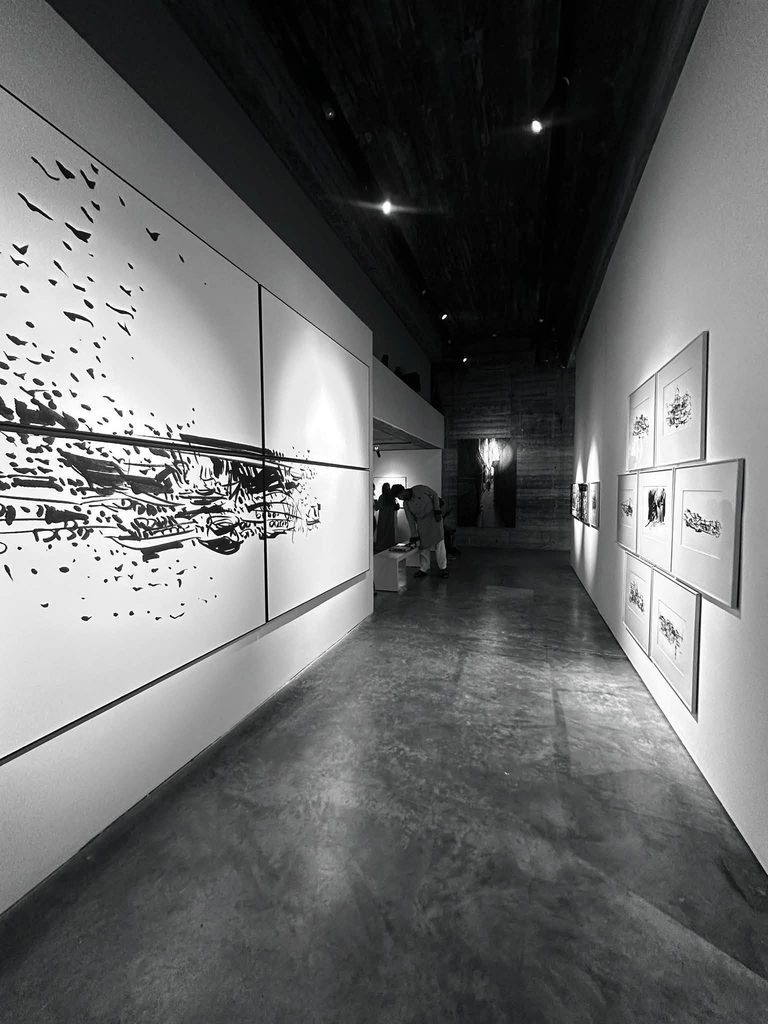
Organised by Bengal Foundation, the exhibition opened on 6 November 2026 at Bengal Shilpalay in Dhanmondi, Dhaka. It brings together watercolour paintings, drawings, architectural models, material studies, archival documents and selected works from Azam’s professional practice.
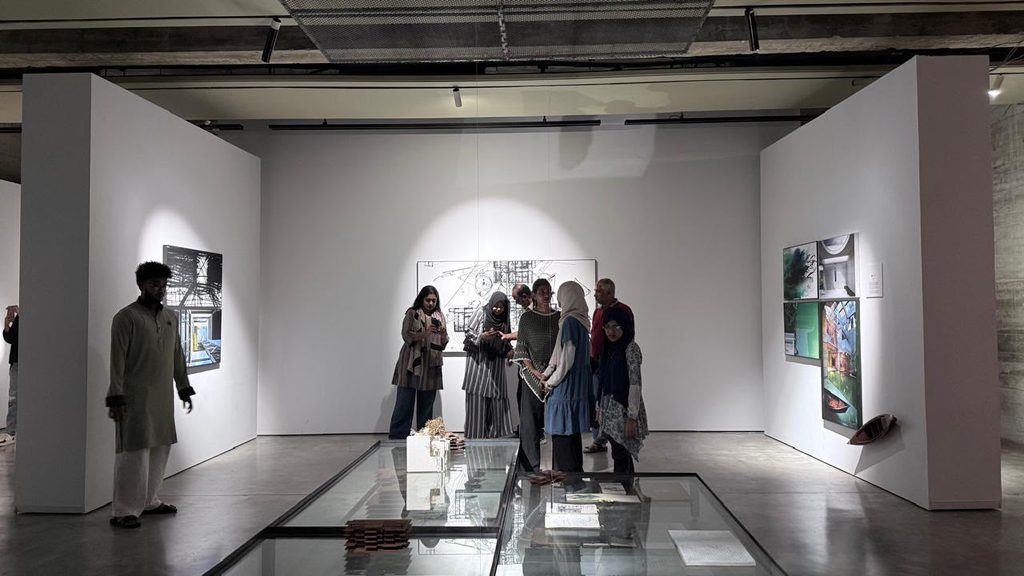
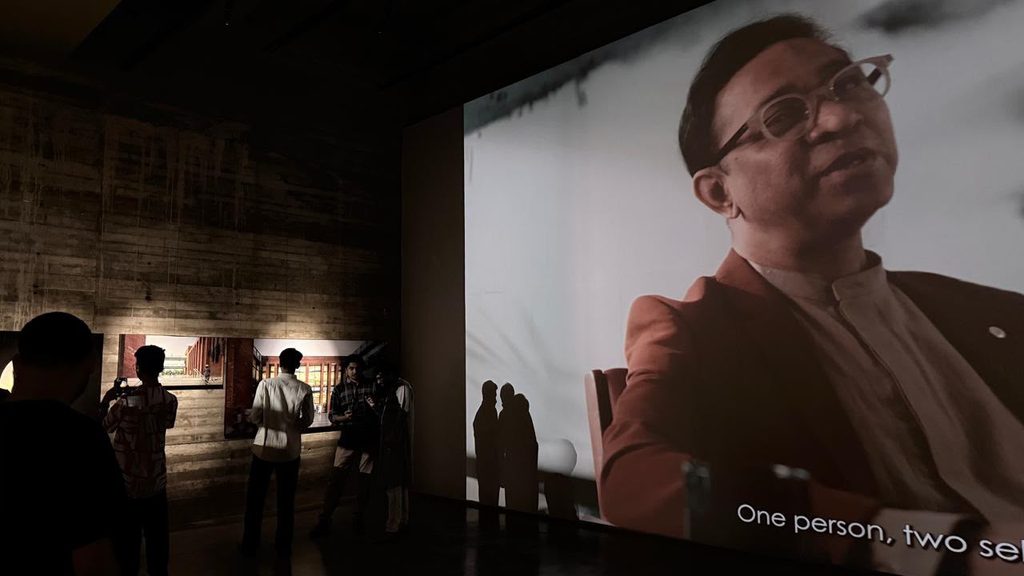
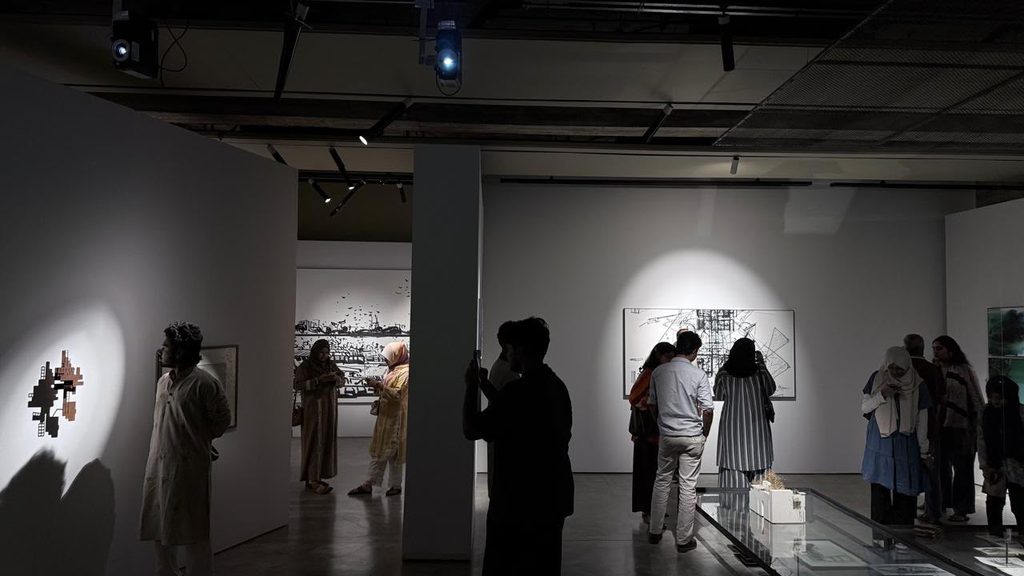
Curated by visual artists Tayeba Begum Lipi and Mahbubur Rahman, the exhibition examines the relationship between artistic imagination and architectural thinking. Its five interconnected themes follow a journey from the innocence of early imagination and the meeting of art and architecture to architecture as social art, cultural diplomacy and an instrument of social transformation.
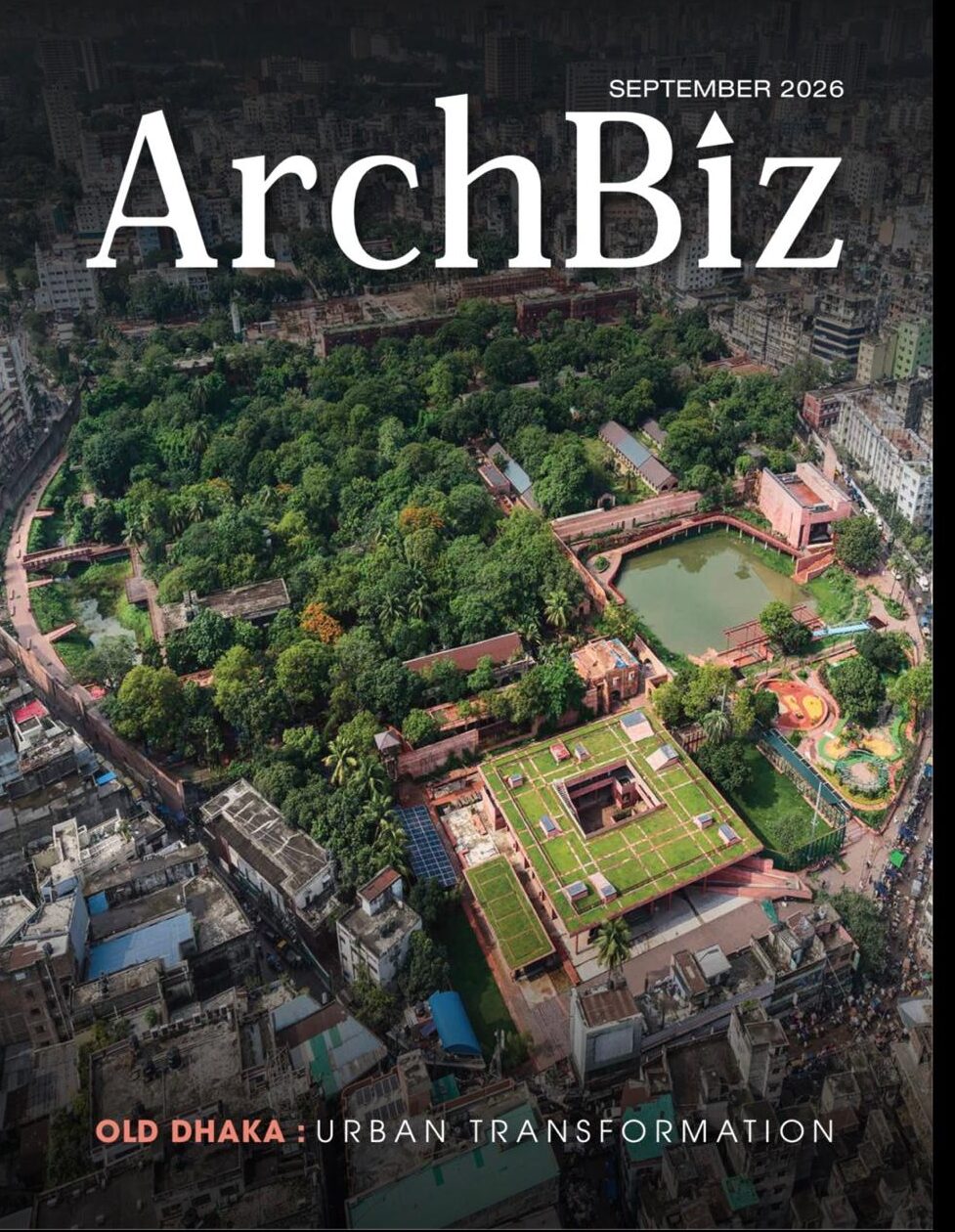
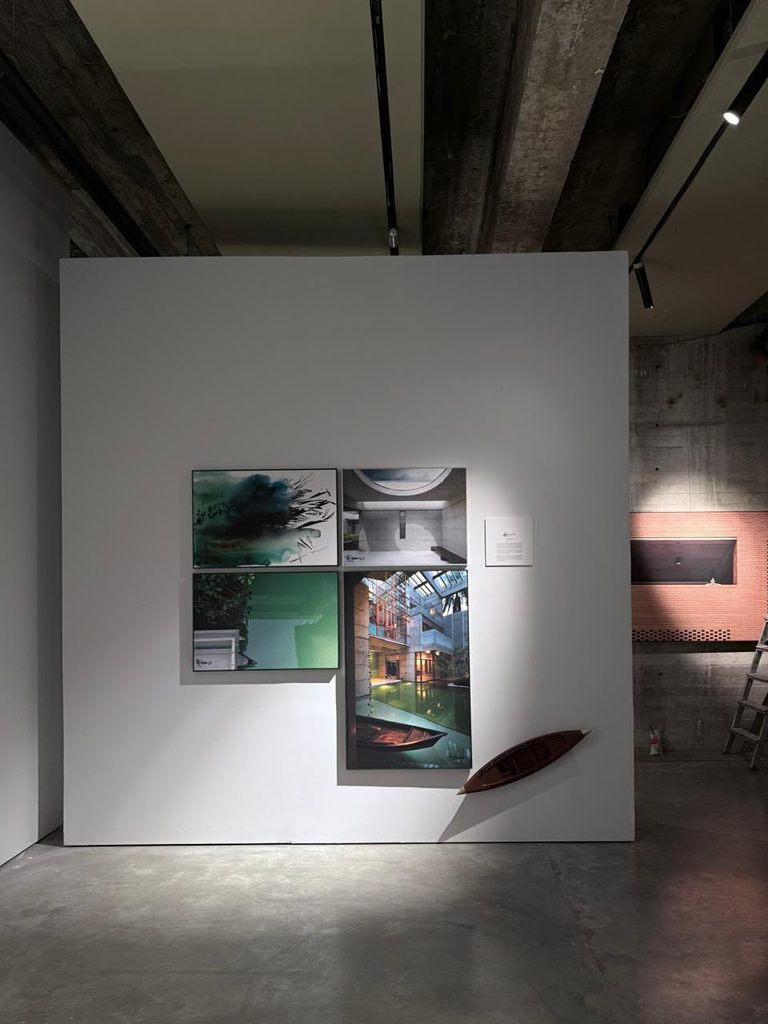
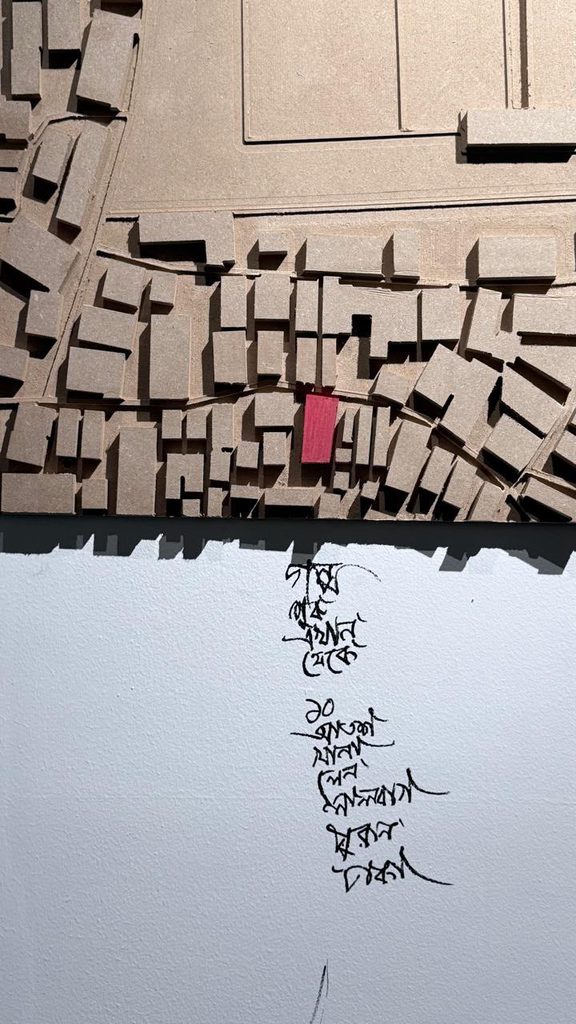
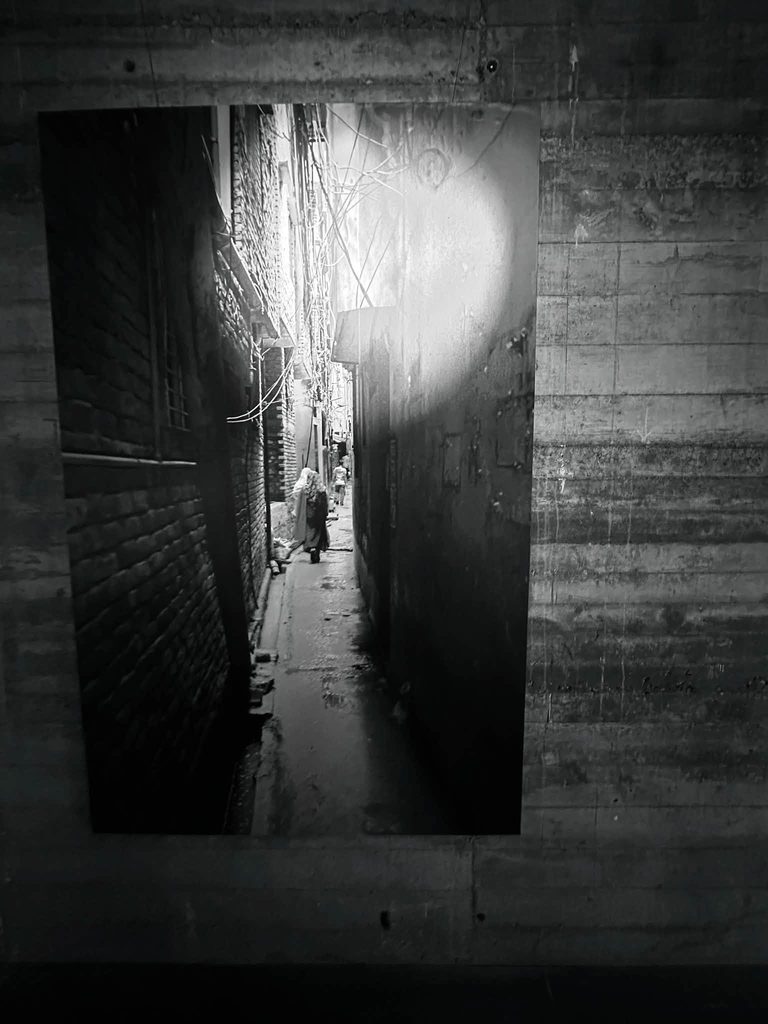
Much of the exhibition draws on Azam’s personal history, particularly his childhood in Lalbagh, Old Dhaka. Memories of the Buriganga, traditional neighbourhoods, boats, courtyards, greenery and changing urban life have remained recurring influences in his work. These impressions appear through watercolours and sketches alongside photographs and models of his built projects.
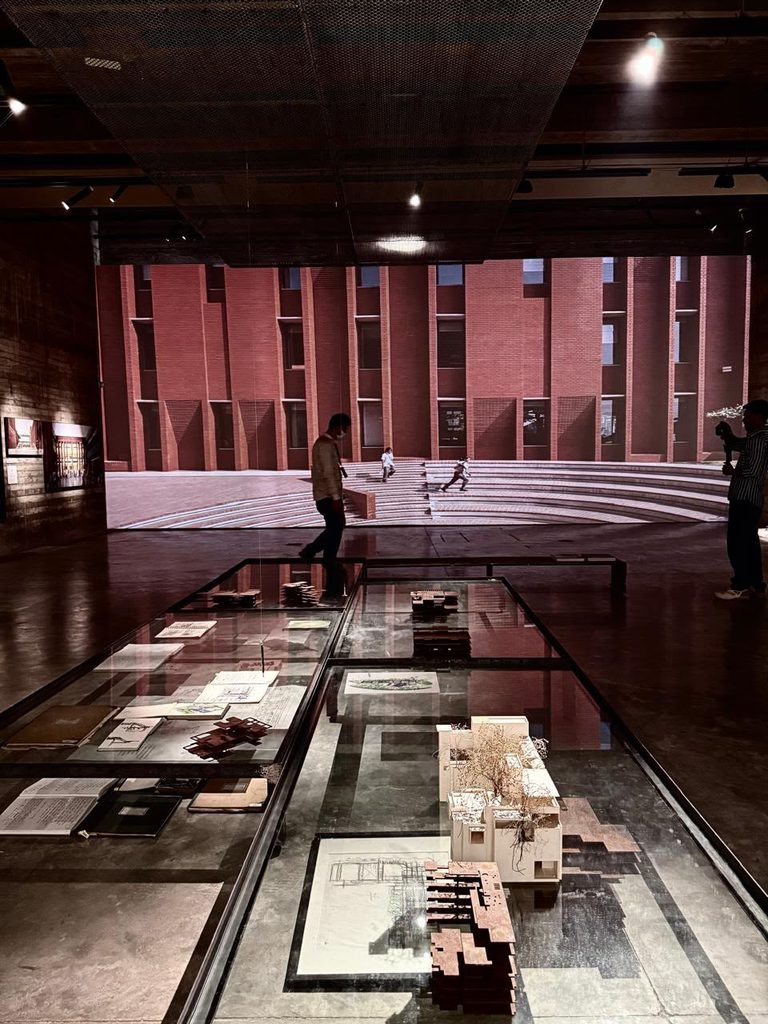
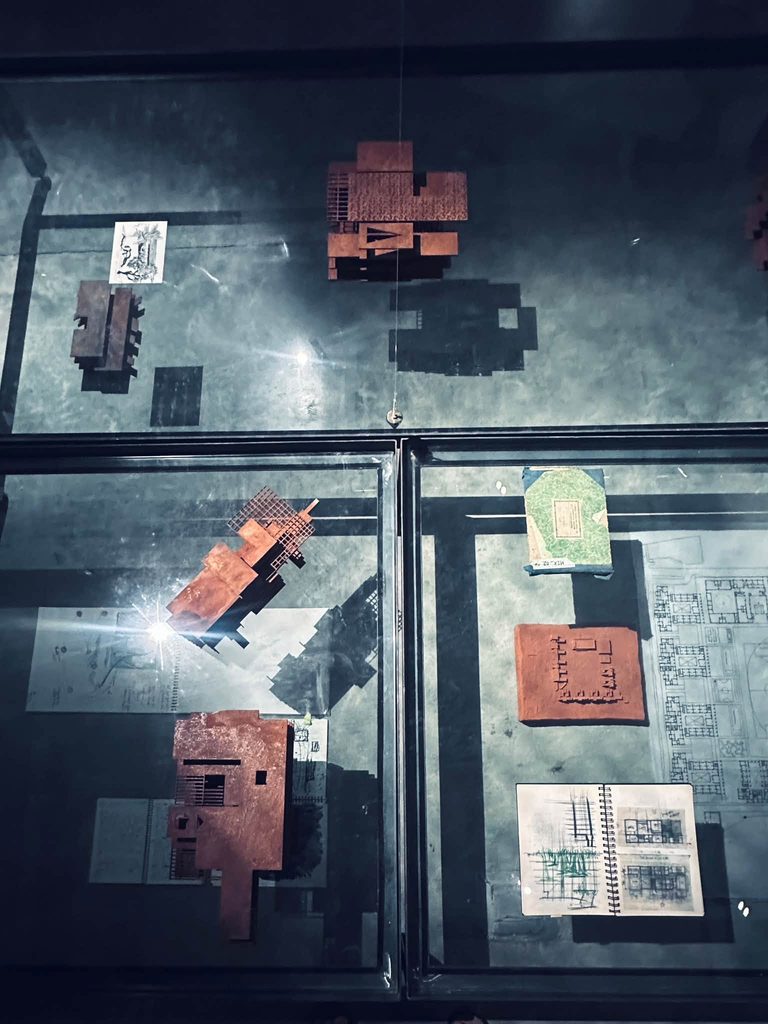
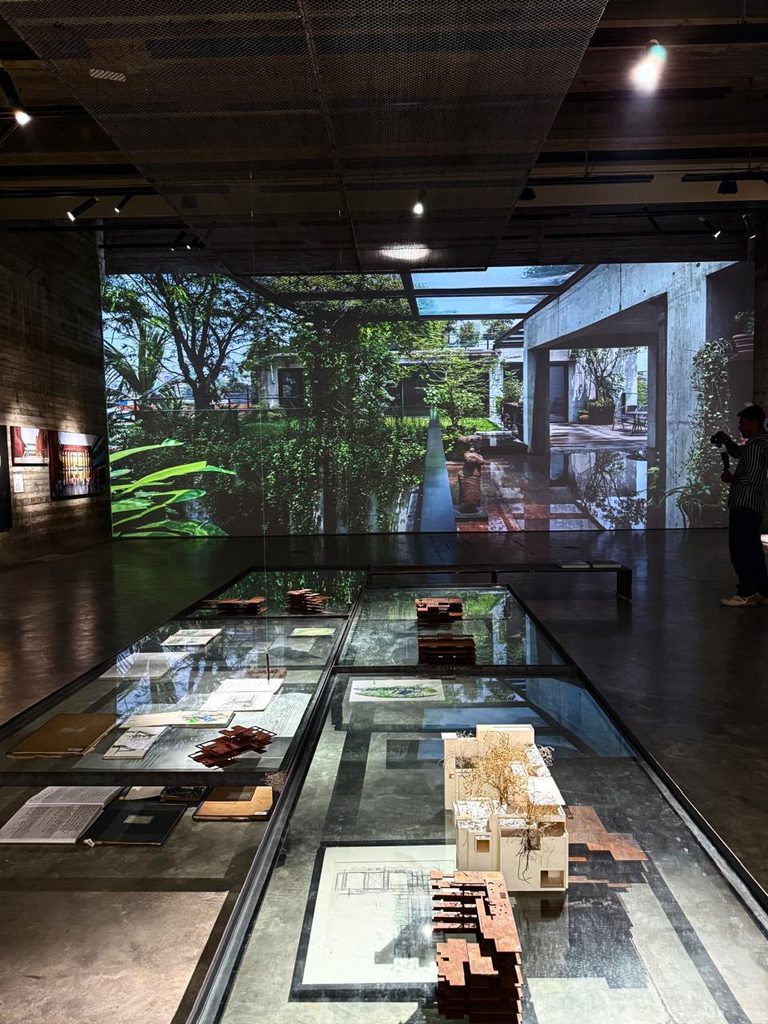
The selection also includes several projects that reflect the breadth of his architectural practice. Among them is the Aga Khan Academy in Bashundhara, Dhaka, whose design draws inspiration from Bengali architectural traditions, brick craftsmanship, courtyards and climate-responsive principles. The project received the Best Future Education award at the 2017 World Architecture Festival in Berlin.
His international work is represented by the SP Setia headquarters in Shah Alam, Malaysia, and the Bangladesh Chancery Complex and Ambassador’s Residence in Thimphu, Bhutan. The exhibition also features his engagement with public space through projects including the redevelopment of Osmani Udyan in Dhaka and the revitalisation of Rasulbagh Shishu Park in Old Dhaka.
Personal narratives remain central to the presentation. Residential projects such as Anguri Bari, named after his mother, connect contemporary architectural expression with family history and the spatial memories of traditional Old Dhaka homes.
Azam describes Threshold as neither a conventional retrospective nor simply a display of completed projects. Instead, it offers an insight into the ideas, questions and creative processes that have shaped his approach to architecture. His long-standing interest in watercolour painting, which began before his formal architectural journey, continues to inform the way he understands space, light, landscape and human experience.
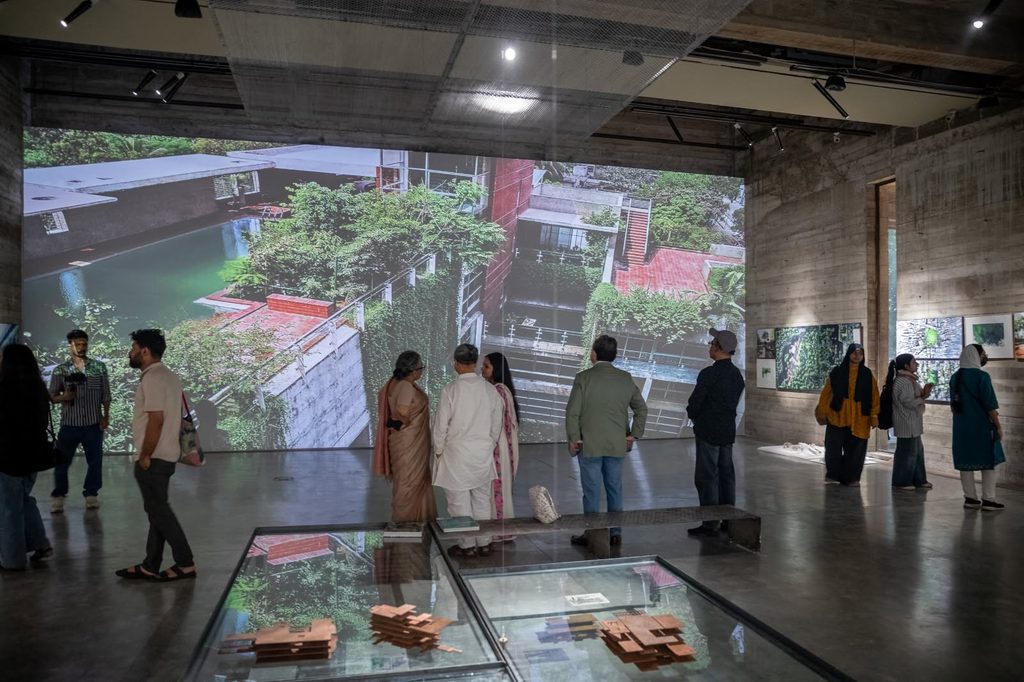
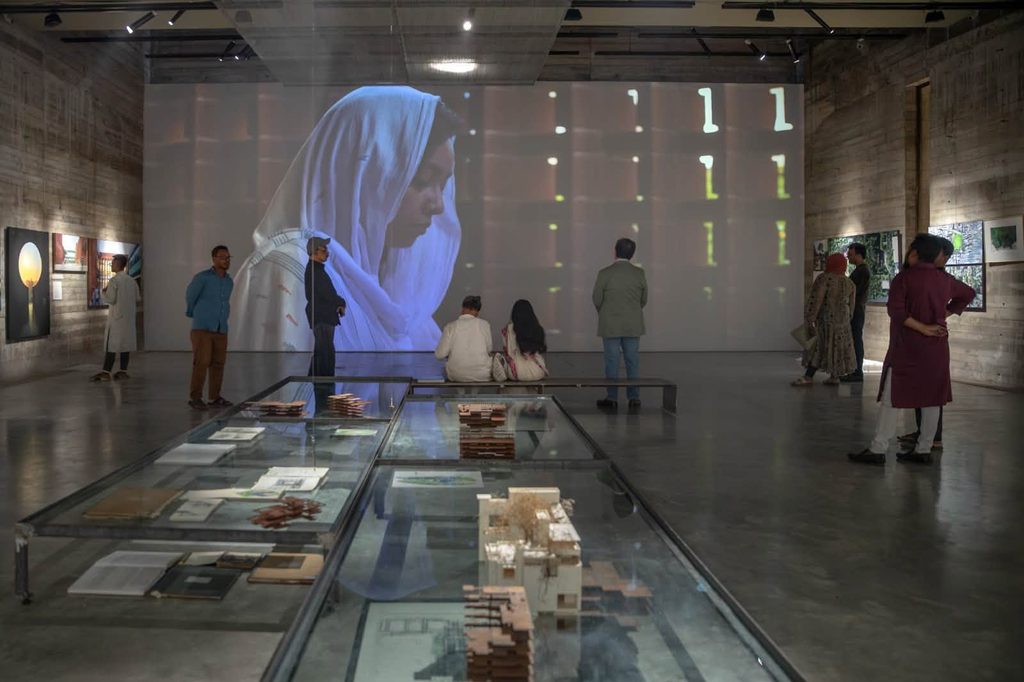
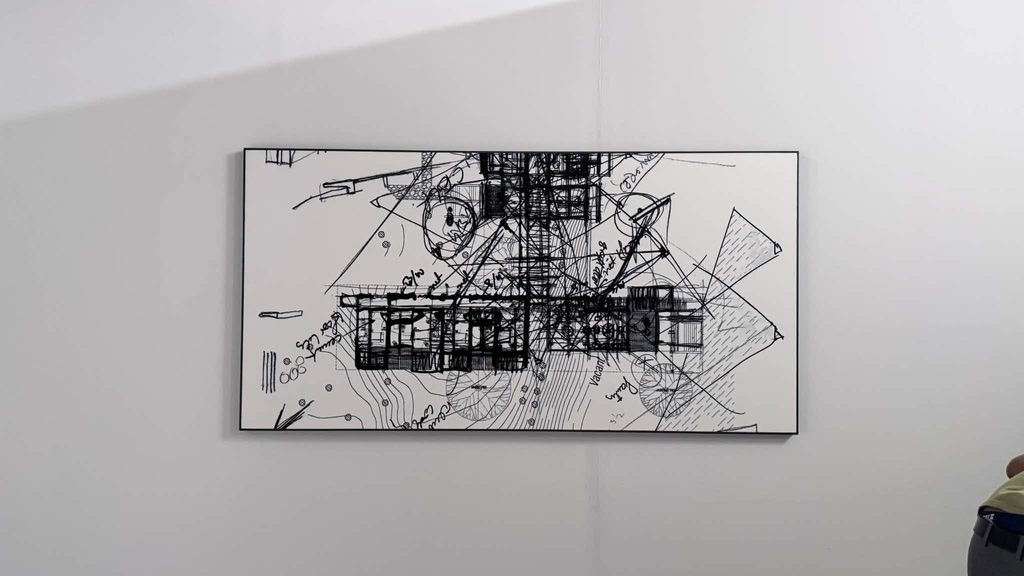
The exhibition also places his practice within a broader conversation about architecture’s role in society. From educational institutions and diplomatic buildings to public parks and residential spaces, the selected works explore how architecture can respond to cultural identity, environmental conditions and the everyday needs of communities.
Threshold: Art & Architecture remains open to visitors until 5 December 2026 at the Quamrul Hassan Exhibition Hall, Level 1, Bengal Shilpalay, House 42, Road 27, Dhanmondi, Dhaka. Visiting hours are 4:00 pm to 8:00 pm daily.
Through this exhibition, Azam invites visitors to look beyond the finished building and consider the memories, ideas and artistic impulses that shape the spaces we inhabit.
Copyright © 2026 ArchBiz Magazine. All Rights Reserved.